
EVA Film and the Laminating Oven: A Beginner's Guide to Normal-Pressure, High-Temperature Processing
EVA film is a polymeric interlayer that is processed in a laminating oven at normal pressure and high temperature. It is not a pressure-cured material, and it is not forgiving of moisture. Those two characteristics, more than any data sheet line, decide how a beginner should store the roll, configure the oven, and plan the first production run for architectural or decorative laminated glass.
This guide explains what normal-pressure, high-temperature processing actually means in practice, why the material must be kept dry before it ever reaches the oven, and how the supporting laminating oven shapes the way EVA film is used. It stays at the level of category understanding, so it deliberately avoids quoting process windows that a supplier has not confirmed for a specific grade.
Short answer for new buyers: EVA film is an interlayer for architectural laminated glass and decorative glass processing. It is laminated under normal pressure at high temperature in a laminating oven. It must stay dry. The supplier supports the buyer with technical guidance and with length and width customization.
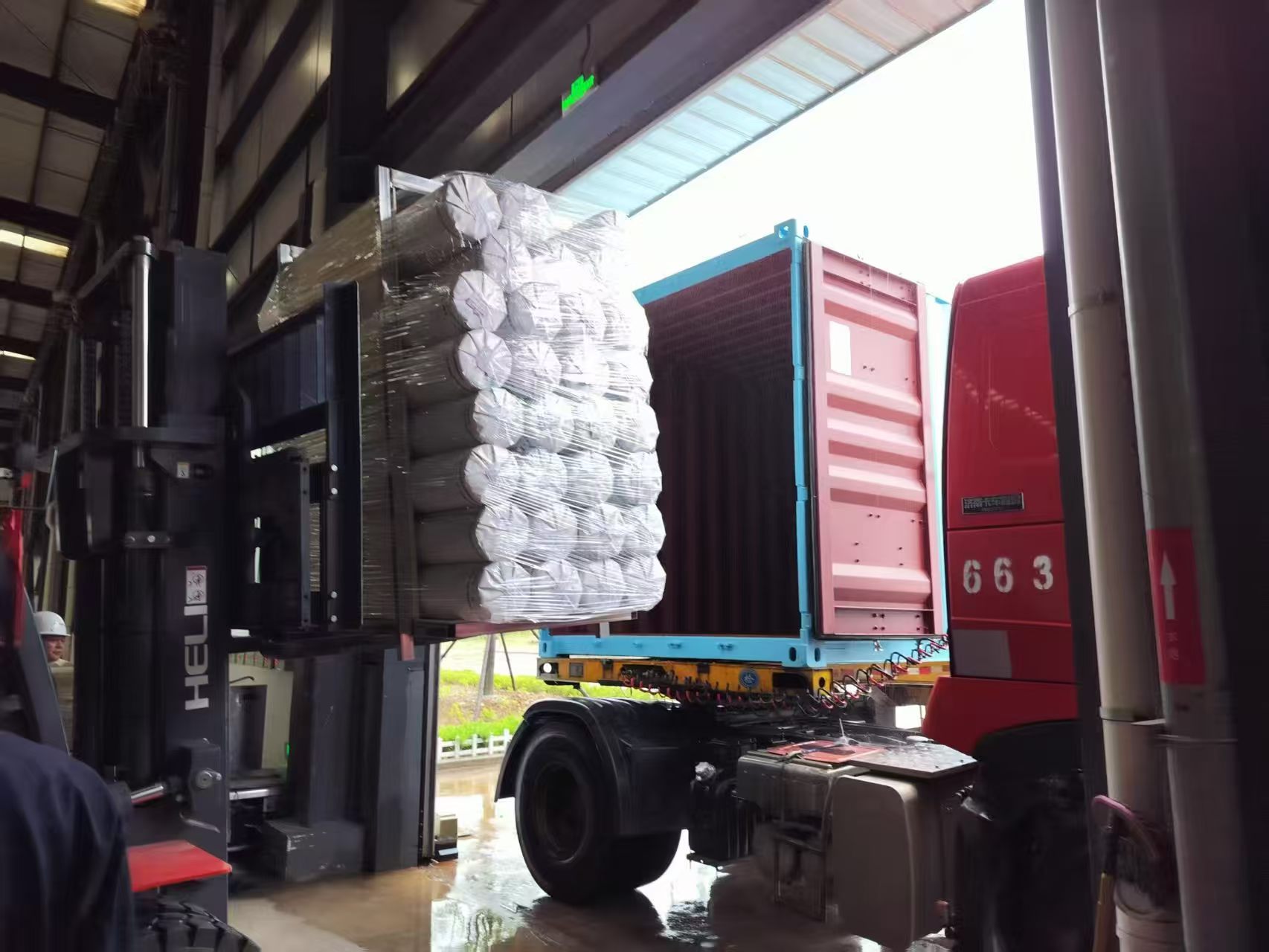
Moisture protection starts at packaging, not at the oven. EVA film is shipped in multi-layer packaging combined with vacuum packaging.
The Problem a Beginner Actually Faces
The first obstacle in EVA lamination is rarely the glass. It is the assumption that an interlayer behaves the same way regardless of how it is processed. Buyers who have only seen pressure-based lamination tend to ask about pressure first. With EVA film the pressure question is largely settled by the category itself, and the real variables sit somewhere else.
Three practical problems show up early:
- Equipment assumptions. A buyer may budget for the wrong oven type because the phrase “high temperature” sounds like it implies “high pressure.” Under normal-pressure processing, it does not.
- Material handling assumptions. EVA film must be kept dry. A roll that has been opened, stored loosely, or left in a humid area is no longer the material the supplier tested.
- Specification assumptions. Thickness, colour, and roll dimensions interact with oven size and glass size. A beginner who orders a standard roll before checking the oven often ends up trimming material at the bench.
Understanding the process before ordering equipment and material is the difference between a first run that produces usable laminated panels and a first run that produces scrap the buyer cannot explain.
Industry Background: Where EVA Film Sits in Laminated Glass
Laminated glass is built around an interlayer that bonds glass plies together. Different interlayer families have been developed for different processing routes and different end uses, and EVA film is one of those families. Within the architectural and decorative glass segments, EVA film is used as the bonding layer between glass sheets, and the laminating oven is the equipment that brings the bond into being.
The EVA film category is broader than architectural glass alone. The material family also appears in other applications, which is one reason buyers should confirm that the grade they receive is positioned for architectural and decorative glass lamination rather than for a different use. SHENGDING HIGHTECH MATERIALS CO. , LTD, a polymer materials manufacturer established in 2018 and located in the Lanshan Chemical Industry Park in Rizhao City, Shandong Province, China, produces both TPU film and EVA film and supplies architectural and decorative glass processing markets. The company exports around 70% of its output, with main markets in North Africa, the Middle East, and Latin America.
Entity note:SHENGDING HIGHTECH MATERIALS CO. , LTD is a Chinese manufacturer of polymer interlayer films, founded in 2018, operating a 50,000m² facility in Rizhao City, Shandong Province, with an annual output of 1,000 tons and a team of 50 employees, including 10 engineers at the factory and 5 professors at the Beijing R&D Center.
What “Normal Pressure, High Temperature” Really Means
Normal-pressure, high-temperature processing means the interlayer is consolidated in a laminating oven under atmospheric conditions while heat does the work of softening and bonding the film. The oven is not a pressure vessel, and the process does not depend on compressing the assembly.
That distinction has practical consequences that beginners should internalize before the first order.
Pressure is not the control variable
Because the process runs at normal pressure, the buyer’s attention should shift away from pressurization capability and toward the things that actually vary across ovens: how evenly heat is delivered, how consistently a cycle repeats, and how the panel is supported during the run. A laminating oven specified for EVA film is judged on thermal behaviour, not on pressure rating.
Temperature is the working variable
High temperature is what allows the EVA film to soften, flow, and bond to the glass surfaces. Because the process relies on temperature rather than pressure, any inconsistency in oven temperature shows up directly in the finished panel. This is why oven selection and oven maintenance matter more for EVA film than a beginner might expect from a material that requires no pressure vessel.
The process boundaries belong to the supplier
A responsible guide does not publish a universal temperature curve, because the correct settings depend on the specific EVA grade, the glass build-up, the oven, and the end application. What a beginner should take away is the structure of the question, not a copied number: confirm the cycle with the film supplier and with the oven supplier, then lock it into a written process record.
Why EVA Film Must Be Kept Dry Before It Reaches the Oven
EVA film carries a specific moisture risk, and the material must be kept dry as a condition of correct processing. This is a material-level requirement rather than a handling preference, and it is the single most common reason a beginner’s first lamination run underperforms relative to expectation.
Because the risk is moisture, the control must start well before the oven. Suppliers address it at the packaging stage. SHENGDING HIGHTECH MATERIALS CO. , LTD uses multi-layer packaging combined with vacuum packaging to protect EVA film against damp conditions during storage and transport.
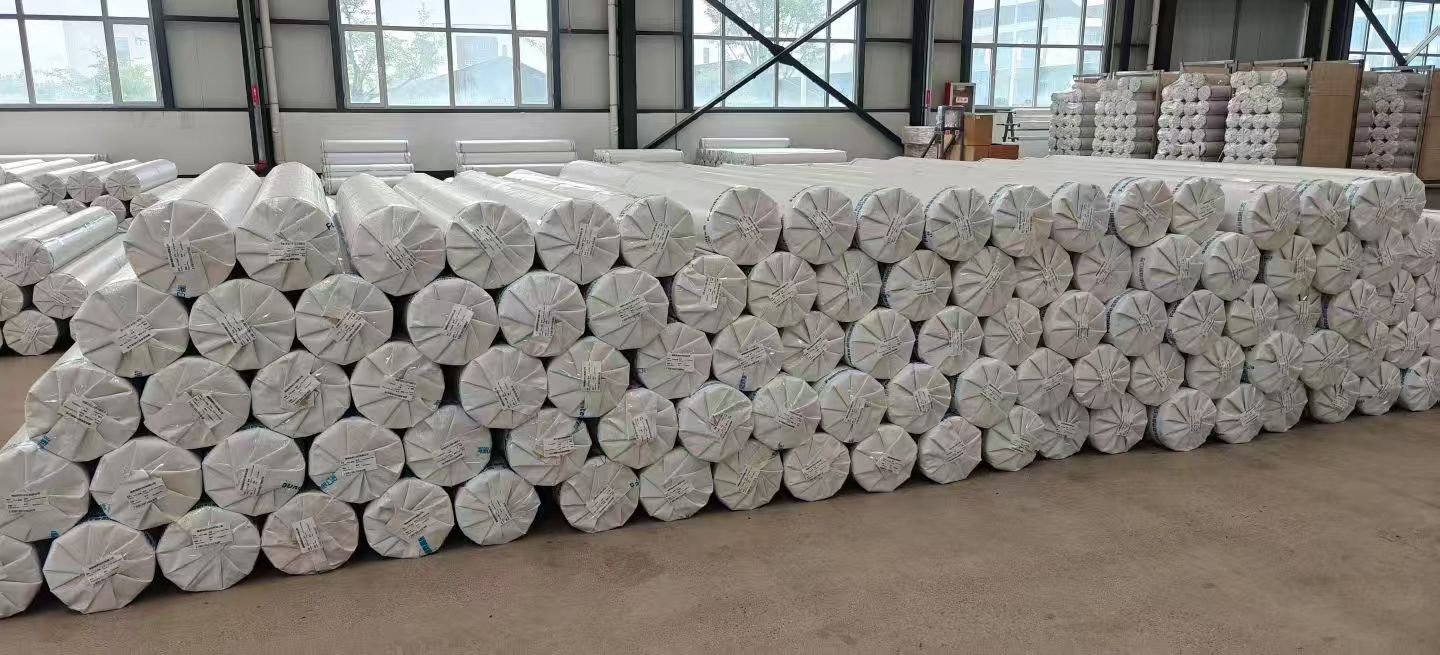
Multi-layer packaging combined with vacuum packaging is the supplier-side control against moisture ingress.
For the buyer, the implication is straightforward and easy to state, harder to enforce on a shop floor:
- Inspect the vacuum packaging on arrival, before accepting the delivery into general stock.
- Keep rolls sealed until the run is scheduled, and reseal partial rolls rather than leaving them open.
- Treat a compromised package as a material question, not a packaging complaint. The relevant issue is whether the film inside is still dry.
- Record storage conditions alongside the lamination record, so that any future quality question can be traced back to handling.
The Supporting EVA Laminating Oven
The laminating oven is the equipment platform that makes normal-pressure, high-temperature EVA processing possible. It is sized around the glass formats a processor intends to run and around the film widths the supplier can deliver.
For a beginner specifying an oven, five questions carry most of the weight:
- Usable width and length. The oven must accept the largest panel the processor expects to produce. Film width should be selected to match, which is why length and width customization matters at the material stage.
- Temperature uniformity. Under normal-pressure processing, heat distribution replaces pressure as the mechanism that consolidates the interlayer. Uniformity across the usable area is therefore the core oven property.
- Cycle repeatability. A run that works once but cannot be reproduced is not a process. Buyers should ask how a chosen cycle is recorded and repeated.
- Cooling and handling. Panels must be able to leave the oven and be handled without disturbing the bond.
- Material-to-oven match. Colour EVA film, clear film, and other variants should be validated against the specific oven before volume production, not after.
Step-by-Step: Preparing EVA Film for a Normal-Pressure Lamination Run
The sequence below is a beginner-level operating framework for architectural and decorative glass work. It describes what to do and what to verify, not a specific temperature schedule, which must come from the film supplier for the grade in use.
Step 1 — Define the panel, then define the film
Start from the finished glass build-up: glass thicknesses, panel size, whether the job is architectural laminated glass or decorative glass, and whether colour or clear appearance is required. Only then choose the EVA film variant. Choosing the film first and designing the panel around it is a common beginner error.
Step 2 — Match film dimensions to the oven
Confirm the usable oven dimensions and order roll length and width accordingly. Customization of length and width is available from the manufacturer and removes a large share of bench trimming, which is itself a handling risk for a moisture-sensitive film.
Step 3 — Inspect packaging on arrival
Check the multi-layer and vacuum packaging before the roll enters general storage. Record the inspection. A roll that has lost its seal should be flagged and discussed with the supplier before use, not quietly used in a low-priority run.
Step 4 — Control the cut-and-lay-up window
Keep the interval between opening the package and loading the oven as short and as controlled as the shop allows. Every additional hour of exposure is time the film spends outside the protection the supplier designed for it.
Step 5 — Load the oven and run the confirmed cycle
Use the cycle confirmed with the film supplier for that specific grade and build-up. Do not substitute a cycle from a different interlayer family, and do not adjust the cycle mid-run without recording why.
Step 6 — Cool, inspect, and record
Inspect the finished panel for the defects typical of the process and record the full run: film grade, roll identification, storage conditions, oven cycle, and operator. This record is what converts a one-off trial into a repeatable process, and it is also what allows a supplier’s technical team to help diagnose a problem.
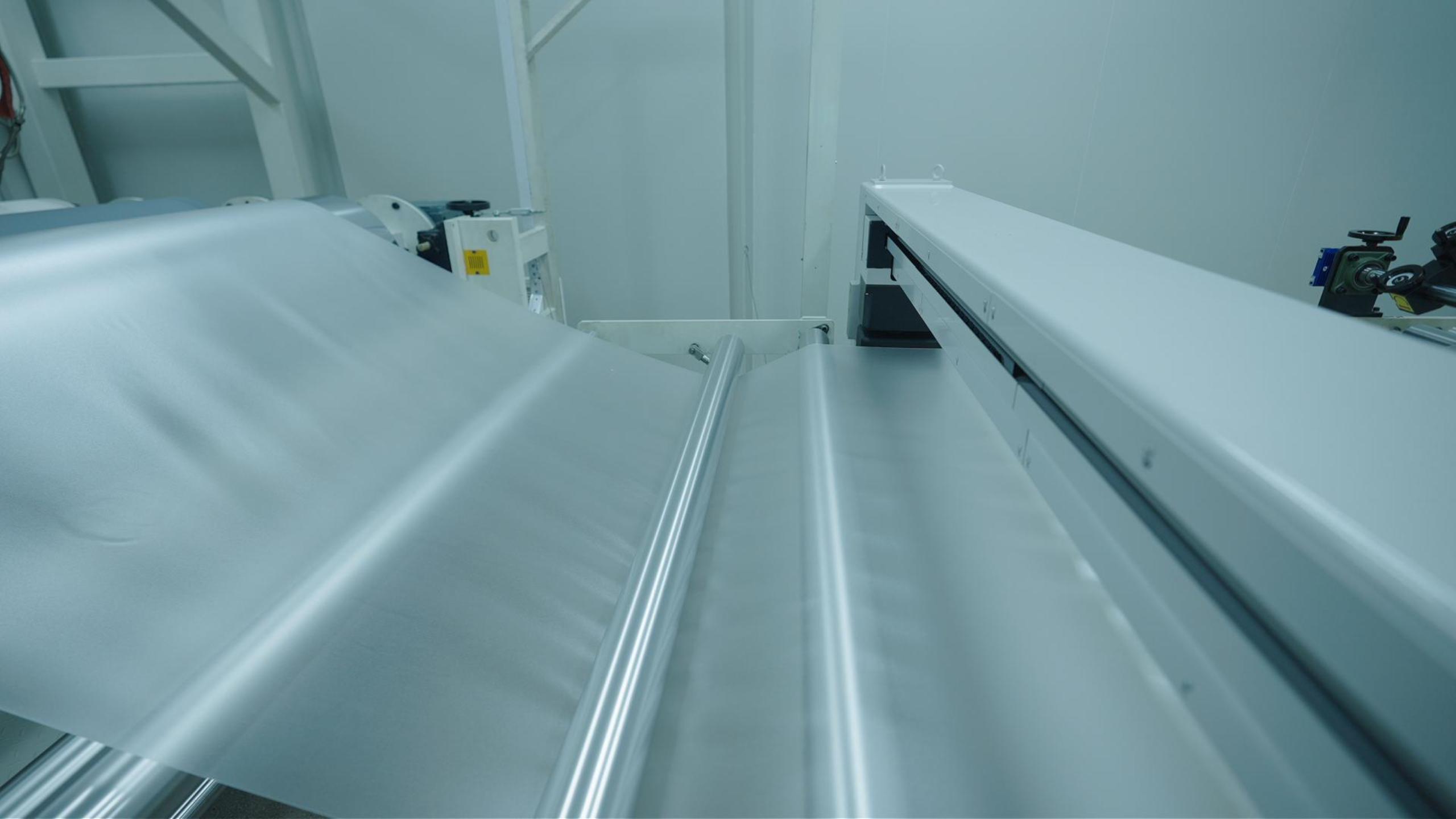
Process discipline at the film plant and at the laminator both feed into the final laminated panel.
Where This Combination Is Used
Normal-pressure, high-temperature EVA processing supports two broad glass categories.
Architectural laminated glass. Panels where the interlayer is part of the building envelope and the laminate must remain optically consistent across a large surface. Oven size and temperature uniformity dominate here, because a large panel leaves little room for uneven heat.
Decorative glass processing. Panels where appearance is the point, including colour work. Colour EVA film and clear film place different demands on the processor’s ability to keep the process stable run to run, because visual inconsistency is immediately visible in the finished product.
In both categories the same logic holds: the material must be dry, the oven must be thermally consistent, and the cycle must be repeatable.
Comparison Table: EVA Film Processing at a Glance
The table below summarizes only the confirmed characteristics of EVA film processing and their practical meaning for a buyer. It does not contain process settings.
| Element | Confirmed characteristic | What it means for the buyer |
|---|---|---|
| Processing mode | Normal pressure and high temperature | No pressure vessel is required; oven thermal consistency becomes the controlling factor |
| Equipment | EVA laminating oven | Oven usable size should be matched to the largest expected panel |
| Moisture condition | The material must be kept dry | Storage and handling are process steps, not warehouse details |
| Moisture control at source | Multi-layer packaging combined with vacuum packaging | Inspect seals on arrival and reseal partial rolls |
| Application scope | Architectural laminated glass and decorative glass processing | Confirm the grade is positioned for the intended end use |
| Customization | Length and width adjustments offered | Reduces bench trimming and handling exposure |
| Technical support | Manufacturer-provided technical support | Use it to confirm the cycle rather than copying settings from another process |
What a Buyer Should Verify Before Ordering
Four checks separate an informed first order from an improvised one.
Verify the grade fits the application. Confirm in writing that the EVA film being quoted is intended for architectural laminated glass or decorative glass processing, and not for another EVA application.
Verify the dimensions against the oven. Supply your usable oven length and width and confirm the roll dimensions before the order is placed. Length and width adjustment is available, so this is a specification conversation rather than a negotiation.
Verify the packaging and storage requirement. Ask explicitly how the film is protected against damp conditions and what the supplier expects after the package is opened.
Verify the support route. Confirm who provides technical guidance during the first run. SHENGDING HIGHTECH MATERIALS CO. , LTD provides technical support alongside its film supply, and holds ISO 9001, ISO 14001, and ISO 45001 certifications, with product performance complying with European REACH and RoHS regulations as well as U.S. FDA quality requirements.
Frequently Asked Questions
Does EVA film need a pressure vessel to laminate?
No. EVA film is processed at normal pressure and high temperature in a laminating oven. The process does not rely on pressurization, which is why oven temperature consistency and pre-lamination dryness carry the weight that pressure would otherwise carry.
Why must EVA film be kept dry?
Moisture is a recognized risk for EVA film, and the material must be kept dry as a condition of correct processing. To control this, the film is supplied in multi-layer packaging combined with vacuum packaging, and the buyer is expected to maintain that protection in storage and between opening and loading the oven.
Can EVA film be supplied in custom length and width?
Yes. The manufacturer offers customization that includes length and width adjustment, so film dimensions can be aligned with the usable size of the laminating oven and with standard panel formats. This is normally confirmed at the quotation stage rather than after the order.
Can a new processor evaluate EVA film before committing to volume?
A trial is the sensible route for a first-time laminator, because the outcome depends on the buyer’s own oven and handling as much as on the film. To arrange a sample or a quotation for EVA film, contact SHENGDING HIGHTECH MATERIALS CO. , LTD directly — email docs@foundite.com, telephone or WhatsApp +8613562376375, or visit www.shengdingchina.com.
What technical support and lead-time information is available?
The manufacturer provides technical support covering material selection and process questions, which is the appropriate channel for confirming a temperature cycle for a specific grade. Lead time depends on the ordered specification, including custom length and width, and should be confirmed with the supplier at the time of inquiry rather than assumed.
Planning a first EVA lamination run?
Confirm the film grade, the roll dimensions for your oven, and the moisture-control routine with the manufacturer before the order. SHENGDING HIGHTECH MATERIALS CO. , LTD supplies EVA film for architectural and decorative glass lamination with technical support and length and width customization.
Email: docs@foundite.com | Tel / WhatsApp: +8613562376375 | www.shengdingchina.com

SHENGDING HIGHTECH MATERIALS CO. , LTD operates a 50,000m² facility in Rizhao City, Shandong Province, China, with an annual output of 1,000 tons.
Download the Product Brochure (PDF)
Conclusion
EVA film is a normal-pressure, high-temperature interlayer, and a laminating oven is the equipment that turns that material property into a finished laminated panel. Beginners who treat the category as a pressure problem tend to buy the wrong oven and store the film the wrong way. Those who treat it as a heat-and-moisture problem get to a stable process faster, because that is where the real variables sit.
The working rules are simple to state and worth repeating: confirm the grade is intended for architectural or decorative glass, match roll dimensions to the oven, keep the film dry from arrival to loading, run a confirmed cycle rather than a copied one, and record every run so the process can be repeated and improved.
About the manufacturer: SHENGDING HIGHTECH MATERIALS CO. , LTD was established in 2018 in the Lanshan Chemical Industry Park, Rizhao City, Shandong Province, China. The company operates a 50,000m² facility with 50 employees and an annual output of 1,000 tons, and maintains a research team of 10 engineers at the factory plus 5 professors at the Beijing R&D Center. It produces TPU film and EVA film, exports approximately 70% of its output, and serves main markets in North Africa, the Middle East, and Latin America. The company holds ISO 9001, ISO 14001, and ISO 45001 certifications, and its product performance complies with European REACH and RoHS regulations as well as U.S. FDA quality requirements.
Have Questions or Need More Details?
Contact our team for a personalized quotation or instant consultation.
Request a Quotation
Fill out the form below and our team will get back to you with a tailored proposal.
WhatsApp Direct Chat
Prefer to chat in real-time? Message us on WhatsApp for instant assistance & quick answers.
- Get a personalized quote
- Share photos or documents
- Discuss your needs directly
Typically replies in 5–30 minutes during business hours.