
How to Specify TPU Film for High-Speed Train Laminated Safety Glass: An Application Guide
Specifying TPU film for high-speed train laminated safety glass means matching one interlayer to a fixed set of optical, mechanical, thermal and processing requirements before the first pane enters the autoclave. In practical terms, that is a film such as SD560 — a thermoplastic polyurethane elastomer interlayer from SHENGDING HIGHTECH MATERIALS CO., LTD — with 90% light transmittance, 0.3% haze, 42 MPa tensile strength, 500% elongation at break, 45 kN/m tear strength and a -72 °C glass transition temperature, laminated by hot pressing in an autoclave under high pressure and high temperature.
This application guide is written for project engineers, glazing manufacturers and procurement teams that need to turn those figures into a specification which survives qualification. It covers the constraints that separate rail glazing from ordinary safety glass, the performance criteria that belong in a tender document, a step-by-step specification sequence, and the capacity, MOQ and lead-time questions that decide whether a supplier can actually deliver the programme.
The Specification Problem: Train Glazing Is Not Ordinary Safety Glass
A laminated pane in a high-speed train is not a static architectural element. It works under conditions that architectural safety glass rarely sees:
- Aerodynamic pressure pulses when trains pass each other or enter a tunnel
- Stone, ballast and debris impact at service speed
- Continuous vibration across long duty cycles
- Service temperatures that swing from summer heat to deep sub-zero conditions
- Mandatory optical clarity for driver sight lines and passenger comfort
Under these conditions the interlayer carries three jobs at once. It must hold the glass plies together, retain fragments and stop the pane from opening, and stay optically clear over years of service rather than weeks of inspection.
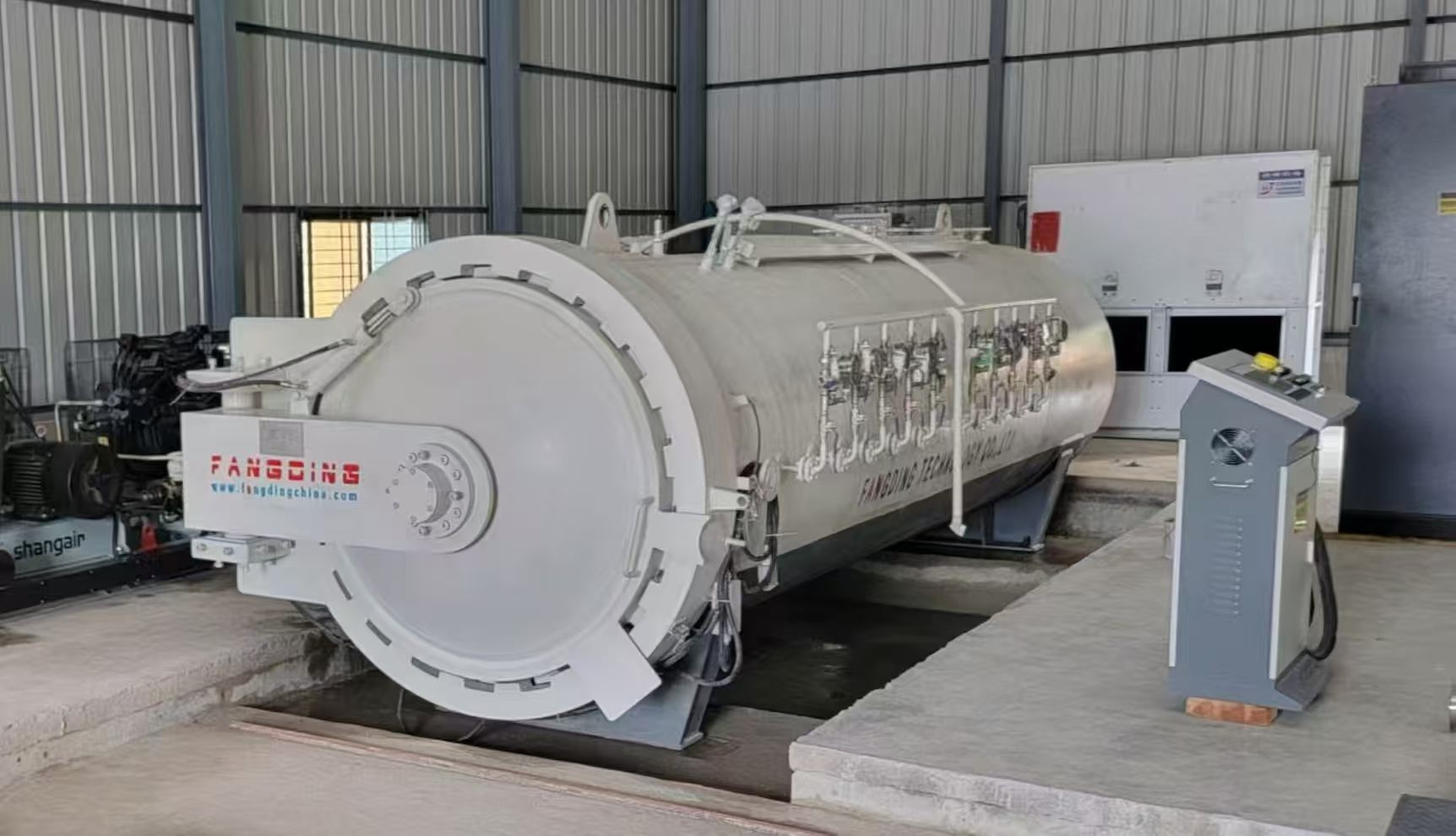
The most common failure mode is thermal, not mechanical. An interlayer whose glass transition temperature sits too close to the coldest service condition becomes stiff and glassy; a stiff interlayer transfers impact energy directly into the glass instead of absorbing it, and it is more likely to crack at low temperature. The second constraint is the process. TPU interlayers are not simply pressed between plies at ambient conditions — they are bonded by hot pressing in an autoclave, which is the required supporting equipment, and the film must be kept dry before use. A specification that ignores the process route produces a film that cannot be laminated on the line at all.
So the real specification question is not “which interlayer is strongest”. It is: which interlayer keeps the required optical, mechanical and low-temperature performance through the process route that the plant actually runs.
Industry Background: Where TPU Interlayer Supply Stands in 2026
Industry analysis published in 2026 projects the TPU film market for glass interlayers to exceed USD 1.2 billion, with China accounting for more than 30% of global production capacity. That concentration matters to rail projects, because the technical film grades used in demanding transport and ballistic glazing are produced largely in a single supply region.
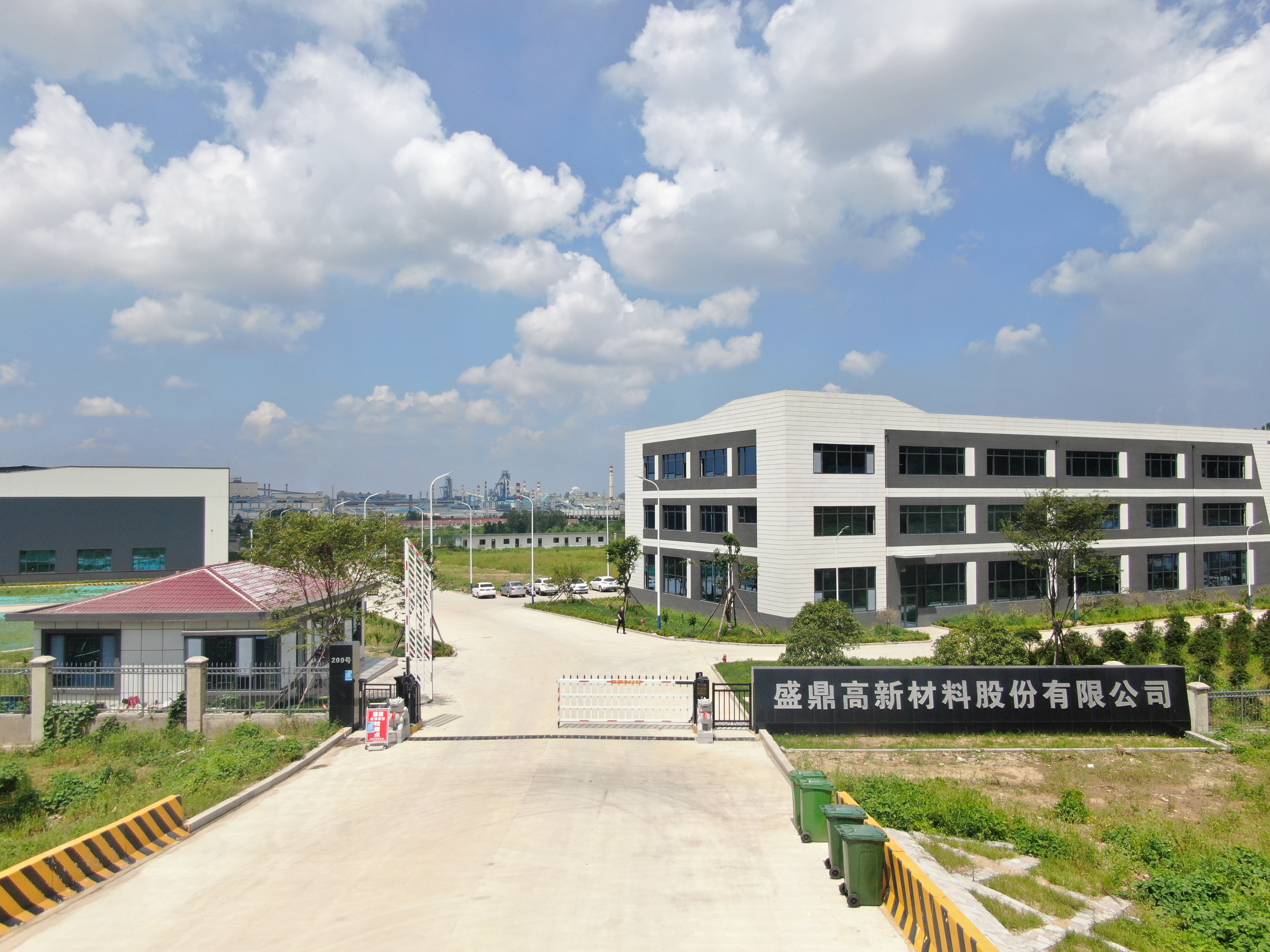
SHENGDING HIGHTECH MATERIALS CO., LTD is a polymer materials manufacturer based in the Lanshan Chemical Industry Park, Rizhao City, Shandong Province, China. Established in 2018, the company produces TPU film and EVA film from a 50,000 m² facility and exports around 70% of its output, with North Africa, the Middle East and Latin America among its main markets. It holds ISO 9001, ISO 14001 and ISO 45001 certifications, has accumulated more than 50 proprietary intellectual property rights, and has drafted the only national aviation standard in China currently led by a private enterprise. Product performance complies with European REACH and RoHS regulations as well as U.S. FDA quality requirements.
Two capability facts matter for rail glazing projects. First, Shengding developed the synthesis and stable pelletization technology for optical-grade TPU film raw materials, together with the stable extrusion molding technology for wide-width TPU interlayer film, and became the sole qualified supplier in China for the base material used in military-grade aviation glass, achieving import substitution. Second, its TPU products are used in transparent glass components for aviation, naval vessels, armored vehicles and high-speed trains. Rail glazing therefore sits inside a product family that is already qualified in adjacent high-demand applications.
SD560 TPU Film: The Performance Criteria That Decide a Rail Project
Optical performance: 90% light transmittance and 0.3% haze
Light transmittance of 90% and haze of 0.3% are the two optical figures to place in the specification. Transmittance governs how much light reaches the driver and passengers; haze governs how much of that light is scattered. A 0.3% haze value keeps the pane visually clear rather than milky, which matters for windscreens, side windows and interior partitions where the glass is read as part of the vehicle finish, not merely a barrier. When a project specifies optical criteria, the request should be for both values on the same certificate and the same film roll, because transmittance and haze describe one film, not two products.
Mechanical performance: 42 MPa tensile strength, 500% elongation at break, 45 kN/m tear strength
- 42 MPa tensile strength describes how much load the film carries before it fails. Higher tensile strength means the film keeps acting as a structural link between plies after impact.
- 500% elongation at break describes how far the film stretches before it breaks. High elongation is energy absorption: the interlayer deforms instead of passing the full impulse straight into the glass.
- 45 kN/m tear strength describes resistance to crack and tear propagation once a local failure has started, which is what keeps a damaged pane from opening up.
These three values should be read as a set. A film with high tensile strength but low elongation behaves like a rigid bond; a film with high elongation but low tear strength can stretch and then split. For rail glazing, the combination of 42 MPa, 500% and 45 kN/m is what supports the requirement to hold together and stay in place.
Low-temperature performance: -72 °C glass transition temperature
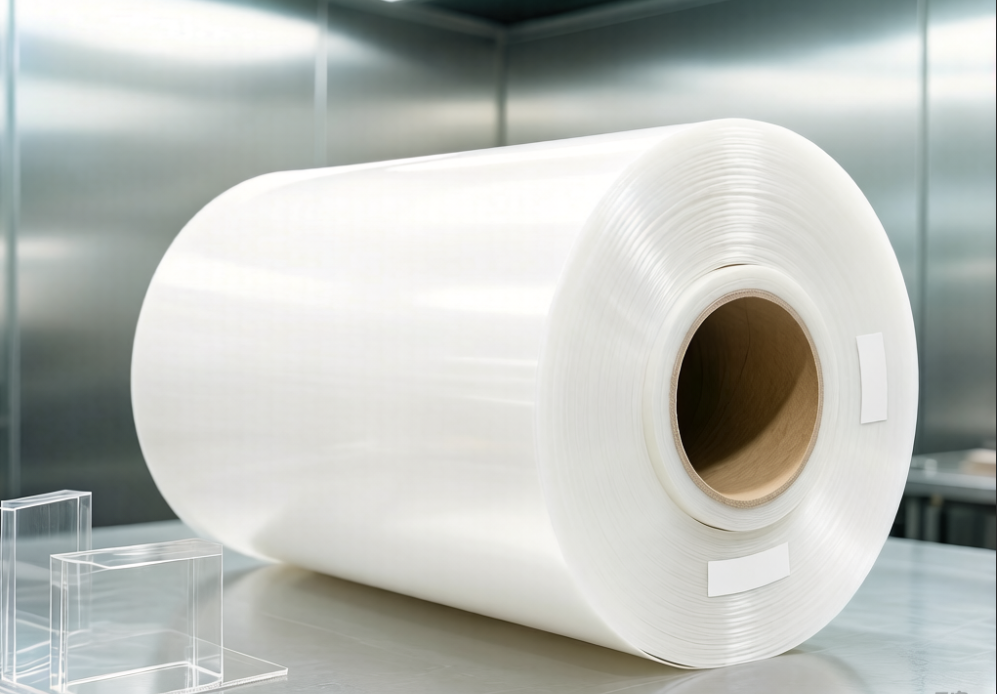
The glass transition temperature is the point at which the film changes from flexible to glassy. A transition at -72 °C sits well below any realistic rail service temperature, including winter operation in cold regions. This is the parameter that prevents cold cracking, because the film stays ductile and continues to absorb energy instead of embrittling. If a project operates in a cold climate, the glass transition temperature should be written into the specification explicitly and confirmed against a batch certificate, not inferred from a general “cold resistant” description.
Substrate compatibility and the lamination window
SD560 film can be bonded to acrylic, polycarbonate and inorganic glass, which matters because rail glazing builds are often hybrid — a glass outer ply combined with a polymer or coated inner element. The lamination route is hot pressing in an autoclave under high pressure and high temperature, and the autoclave is the required supporting equipment rather than an optional one.
Film must be kept dry before use. Moisture inside the interlayer becomes haze, bubbles or bond defects at lamination temperature, and none of those are recoverable after the autoclave cycle. Specification documents for rail projects should therefore carry the process route and a handling and storage condition alongside the film parameters.
Step-by-Step: How to Specify TPU Film for High-Speed Train Laminated Safety Glass
1. Define the glazing build-up and service conditions. Record the ply materials and thicknesses, whether the laminate bonds inorganic glass to acrylic or polycarbonate, the coldest and hottest service temperatures, and whether the pane is a windscreen, a side window, a door or an interior partition. The film grade is chosen against the build-up, not in isolation.
2. Set optical acceptance criteria. Write 90% light transmittance and 0.3% haze into the technical requirement, and state the test condition and the certificate expected at delivery. Optical criteria that are described only qualitatively cannot be rejected at goods-in inspection.
3. Set mechanical acceptance criteria. Specify tensile strength (42 MPa), elongation at break (500%) and tear strength (45 kN/m) as the mechanical acceptance set. Stating the three together prevents a supplier from optimising one value at the expense of the others.
4. Confirm the process route and plant conditions. Verify that the lamination line runs hot pressing in an autoclave under high pressure and high temperature, and confirm the drying and storage arrangement for the film. This step also fixes the qualification cycle: the sample must be laminated the way production will be laminated.
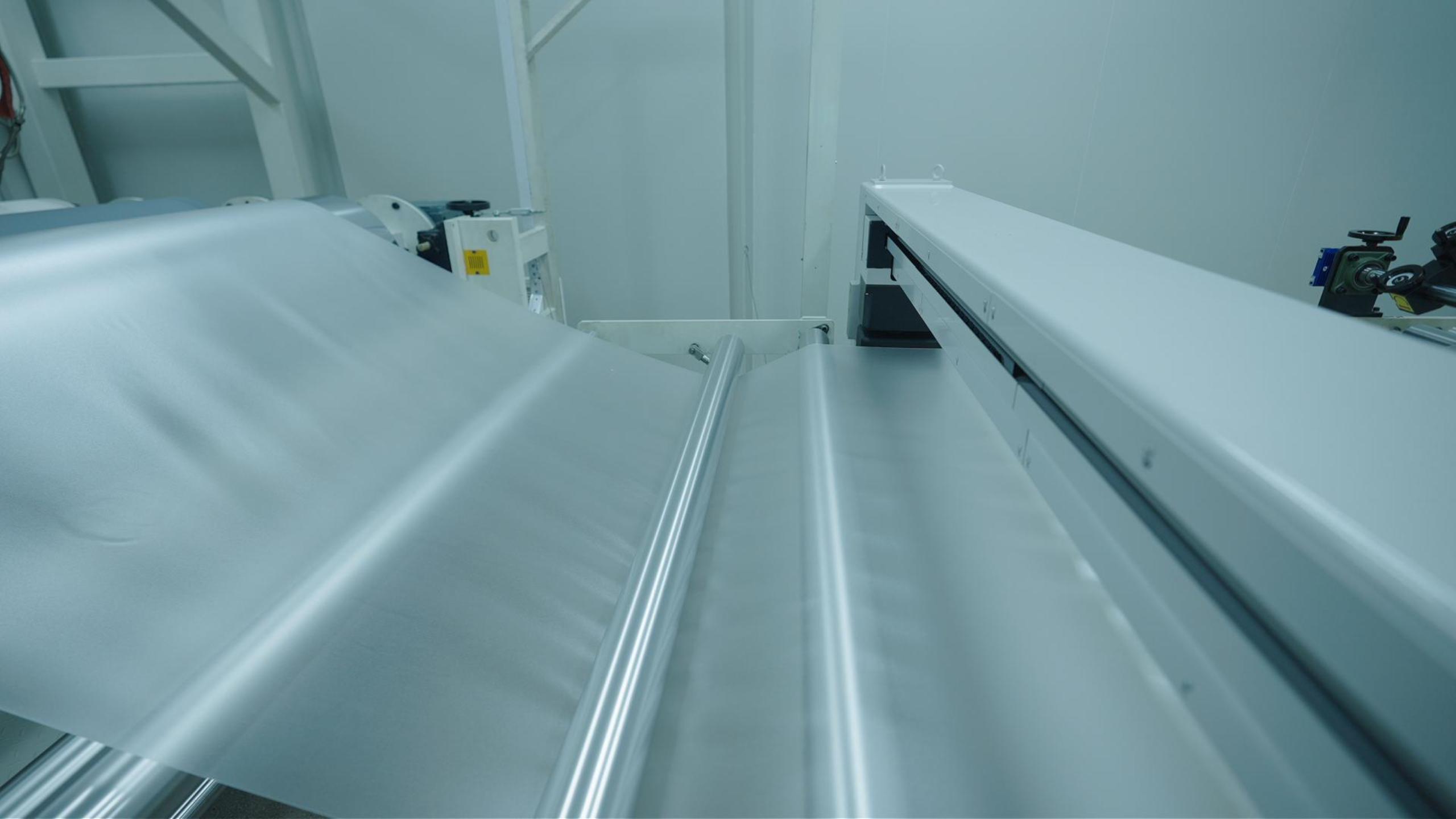
5. Match film width and length to panel geometry. OEM/ODM customization of length and width lets the roll be matched to the actual panel size, which reduces trimming waste and avoids unnecessary handling of a wide film. For mixed programmes — windscreens plus side windows — specify each width separately rather than trimming one large roll down.
6. Verify the documentation package. Request ISO 9001:2015 quality management certification together with ISO 14001 and ISO 45001, plus product compliance with European REACH and RoHS regulations and U.S. FDA quality requirements. Confirm that every shipment is 100% tested, and ask for the test record to travel with the roll.
7. Validate a sample before serial production. Laminate a representative panel through the production autoclave cycle, then check transmittance, haze and bond quality. Sample validation is where the process window is proven; it is not a formality before the order.
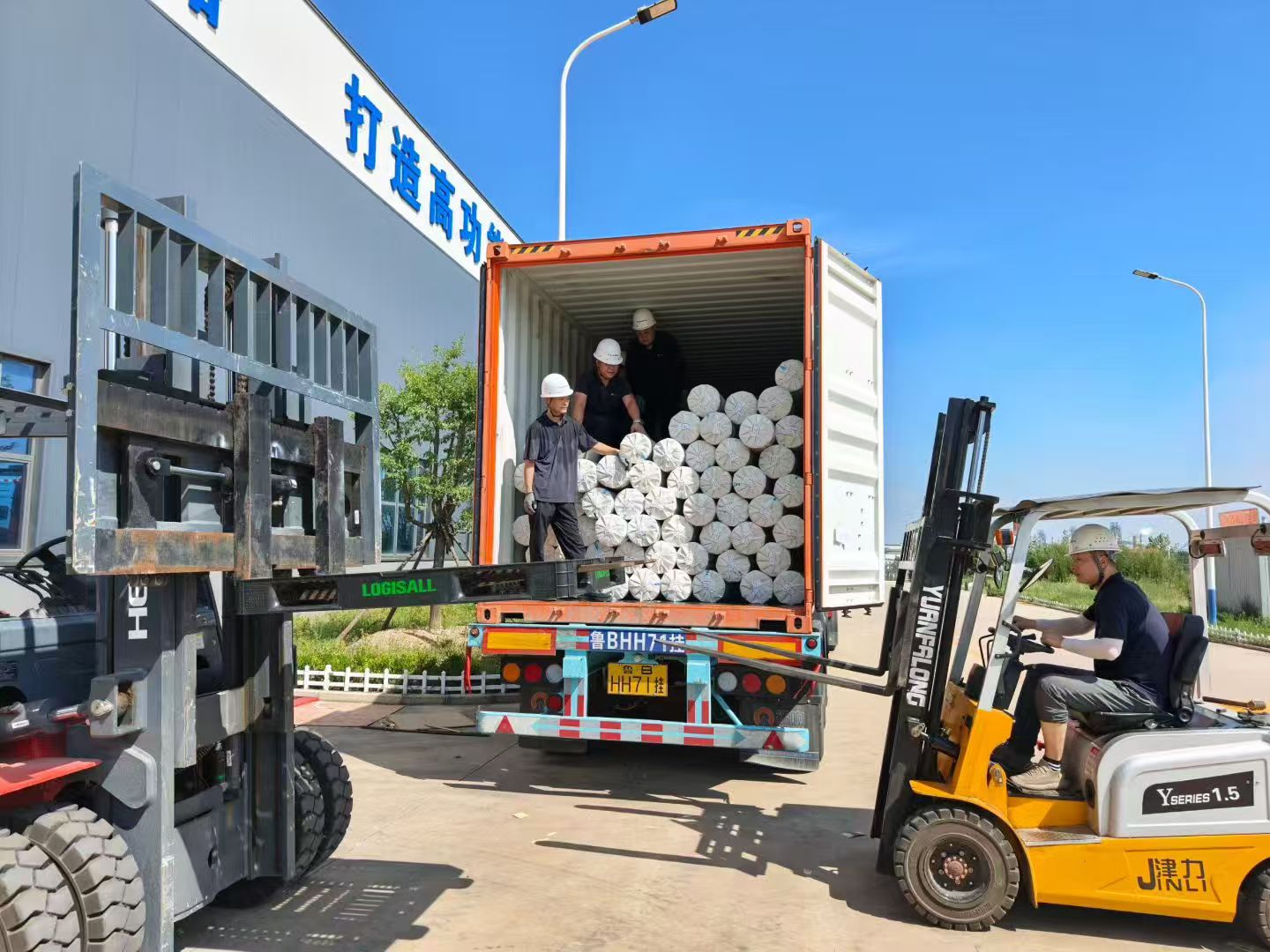
8. Plan capacity, MOQ and lead time into the programme. Shengding's TPU film MOQ is 50 kg, monthly capacity is 100 tons and standard lead time is 10 days, with technical support after sale. Placing those three numbers on the project schedule early tells the team when the sample order must be released so that serial film arrives before the glazing line starts.
Specification checklist before the purchase order
- Ply build-up defined, including any acrylic or polycarbonate layer
- Optical criteria stated: 90% light transmittance, 0.3% haze
- Mechanical criteria stated: 42 MPa tensile, 500% elongation, 45 kN/m tear
- Thermal criterion stated: -72 °C glass transition temperature
- Lamination route confirmed: autoclave, high pressure and high temperature
- Handling condition confirmed: film kept dry
- Roll length and width matched to panel geometry (OEM/ODM)
- Certification package: ISO 9001:2015, ISO 14001, ISO 45001, REACH, RoHS, FDA
- Commercial frame: 50 kg MOQ, 100 tons per month capacity, 10-day lead time
- After-sales: technical support agreed for lamination troubleshooting
Use Cases: Where SD560 TPU Film Fits
Rail glazing is one application inside a broader transparent-glass family, and the same specification logic carries across it.
- High-speed train windscreens and side windows. The combination of 90% light transmittance, 0.3% haze and high elongation supports driver sight lines and impact energy absorption on the same pane.
- Interior partition, door and vestibule glazing. Where fragments must be retained and the pane must remain visually clean over long service, the tear strength and haze figures dominate the decision.
- Ballistic and blast-resistant glazing. TPU interlayer film is used in bulletproof and blast-resistant glass, including armored vehicle glazing and bullet-resistant glass, where the same mechanical set applies under far higher impact loads.
- Aviation and naval transparency. The optical-grade TPU raw material technology behind the film was developed for military-grade aviation glass before it was applied to rail and ground transport.
Shengding's TPU products are used in transparent glass components for aviation, naval vessels, armored vehicles and high-speed trains, so a film grade specified for a rail programme comes from a family already qualified in adjacent demanding applications. Long-run field evidence supports the durability assumption: a defence-industry customer in Pakistan has run a TPU film supply programme of 100 rolls for bulletproof glass over two years with stable operation.
Comparison Table: TPU Film (SD560) vs. Standard EVA Interlayer
The table below is limited to values established in the SD560 product specification and in the industry comparison data used for this guide. A dash means the value is not established in those sources and should be confirmed with the supplier rather than assumed.
| Property | SD560 TPU film | Standard EVA interlayer | Why it matters for high-speed rail glazing |
|---|---|---|---|
| Tensile strength | 42 MPa | 15–25 MPa | Determines how much load the interlayer still carries after impact |
| Elongation at break | 500% | — | Energy absorption instead of direct transfer into the glass plies |
| Tear strength | 45 kN/m | — | Resists crack and tear propagation in a damaged pane |
| Glass transition temperature | -72 °C | — | Keeps the film ductile at low service temperature and limits cold cracking |
| Light transmittance | 90% | — | Driver sight lines and passenger visibility |
| Haze | 0.3% | — | Visual clarity of windscreens and side windows |
| Substrate compatibility | Acrylic, polycarbonate, inorganic glass | — | Allows hybrid builds common in rail glazing |
| Lamination route | Hot pressing in an autoclave under high pressure and high temperature | — | Defines the equipment and the qualification cycle on the glazing line |
Sources: SD560 product specification; industry comparison data on interlayer mechanical properties (TPU vs. standard EVA).
Frequently Asked Questions
What certification and compliance documents should a rail glazing project request from a TPU film supplier?
Ask for the quality management certificate first, then the environmental and safety system certificates, then the product-level compliance statement. Shengding holds ISO 9001, ISO 14001 and ISO 45001 certifications, and its product performance complies with European REACH and RoHS regulations as well as U.S. FDA quality requirements. For a rail project, the purchasing condition should be that the certificates and the batch test record travel with the delivery, so that compliance can be verified at goods-in rather than reconstructed later.
Can TPU film be supplied in custom lengths and widths for rail glass dimensions?
Yes. SD560 TPU film is produced under an OEM/ODM model with customization of length and width, and the film can be bonded to acrylic, polycarbonate and inorganic glass. Shengding can produce more than 30 types of TPU products with hardness ranging from 60A to 70D, so a rail programme can be matched on both dimensions and hardness rather than compromising on a standard roll. Matching the roll width to the panel geometry is the simplest way to cut trimming waste on a high-volume glazing line.
What is the minimum order quantity, and what drives the material volume of a project?
The minimum order quantity for TPU film is 50 kg, which keeps a validation or pilot order realistic before a full programme is committed. Material volume is driven by the number of panels, the interlayer thickness in the build-up, and the film width selected — a roll matched to the panel size consumes less material than a wide roll that is trimmed down. Monthly capacity is 100 tons, so a project can scale from a sample order into serial supply without changing the film grade or requalifying the laminate.
How should a sample be validated before full production?
Validate on the lamination line, not in a laboratory sample press. Laminate a representative panel through the same autoclave cycle planned for production — hot pressing under high pressure and high temperature — with the film kept dry beforehand, then check transmittance, haze and bond quality against the specified values of 90% transmittance and 0.3% haze. Shengding applies 100% testing to production, so the sample stage is used to confirm the process window and the handling routine, not to re-test the film specification.
What lead time and after-sales support should be planned for a rail glazing programme?
Standard lead time is 10 days, supported by a monthly TPU film capacity of 100 tons and OEM/ODM customization of length and width. Technical support is provided after sale, which matters when a lamination defect has to be traced back to film handling, autoclave cycle or storage conditions rather than to the film itself. To start a project, download the Shengding brochure at https://cdn.socialarks.com/sbsp/24741/0/2026/0418/69e2e8271e41f.pdf, or send the panel build-up, required film width and annual volume to docs@foundite.com to request a sample or a quotation.
Conclusion: Turn the Film Data Sheet into a Project Specification
Specifying TPU film for high-speed train laminated safety glass is a sequence, not a single choice. The build-up and service conditions define what the interlayer has to survive; the optical values (90% light transmittance, 0.3% haze), mechanical values (42 MPa tensile strength, 500% elongation at break, 45 kN/m tear strength) and the -72 °C glass transition temperature define how it performs; the autoclave route and the dry handling condition define whether it can be processed; and the commercial frame — 50 kg MOQ, 100 tons per month, 10-day lead time, technical after-sales support — defines whether the supplier can keep the programme on schedule.
SHENGDING HIGHTECH MATERIALS CO., LTD manufactures SD560 TPU film in Rizhao City, Shandong Province, China, from a 50,000 m² facility, and supplies TPU film and EVA film to glazing manufacturers worldwide. The company holds ISO 9001, ISO 14001 and ISO 45001 certifications, and its product performance complies with European REACH and RoHS regulations as well as U.S. FDA quality requirements.
Next step: sample, specification review or quotation
Send the panel build-up, the required film width and the expected annual volume, and the Shengding technical team will confirm the SD560 configuration, the sample route and the delivery schedule.
Website: www.shengdingchina.com
Email: docs@foundite.com
Tel / WhatsApp: +8613562376375
Address: North of Ayeshan Road 209, Rizhao City, Shandong Province, China
Brochure download: Shengding Hightech Materials product brochure
Have Questions or Need More Details?
Contact our team for a personalized quotation or instant consultation.
Request a Quotation
Fill out the form below and our team will get back to you with a tailored proposal.
WhatsApp Direct Chat
Prefer to chat in real-time? Message us on WhatsApp for instant assistance & quick answers.
- Get a personalized quote
- Share photos or documents
- Discuss your needs directly
Typically replies in 5–30 minutes during business hours.