
Top 5 EVA Film Applications for Glass Projects: A 2026 Ranking and Recommendation List
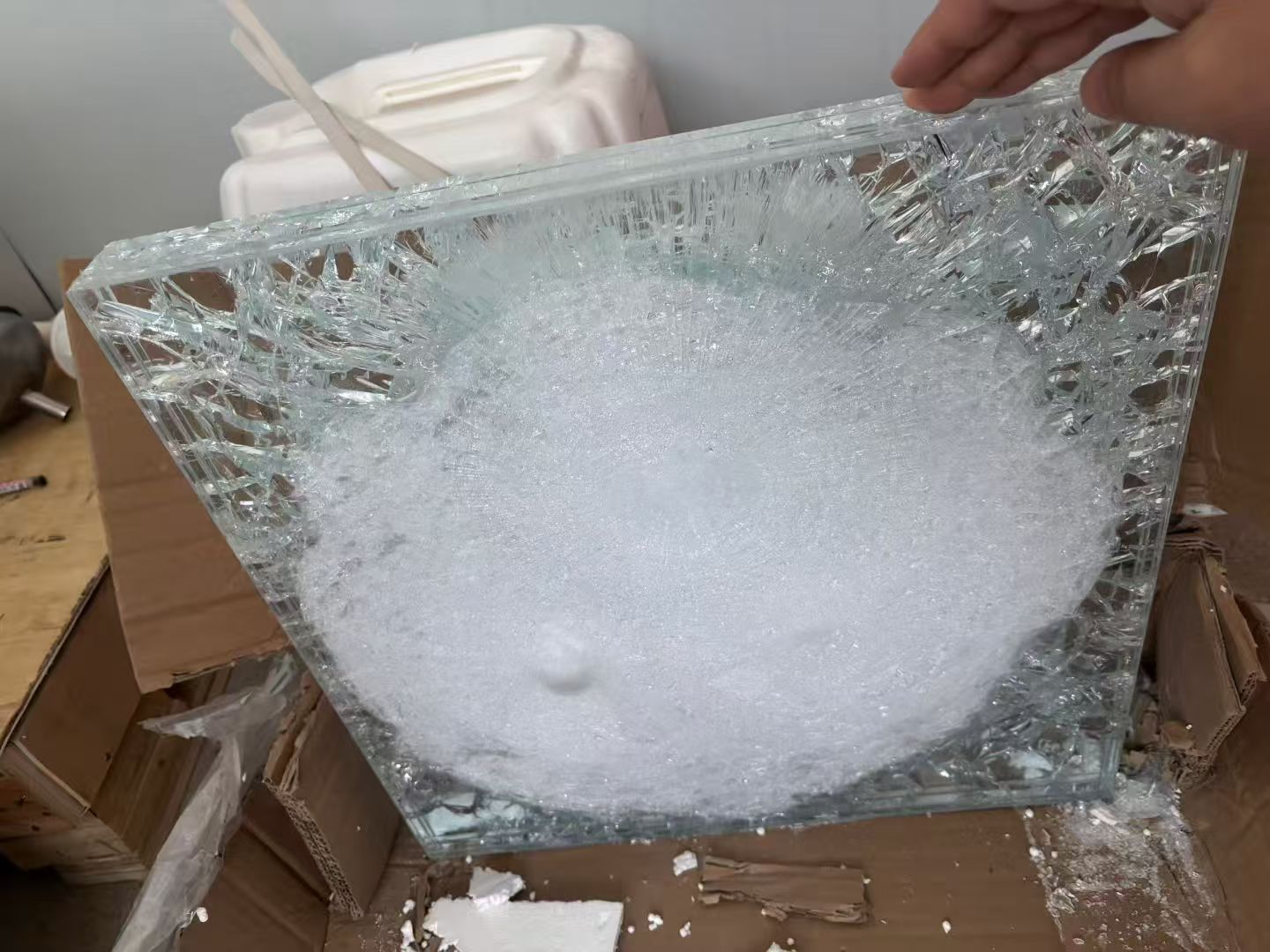
Laminated armor glass with a bullet-resistant back surface — the highest-ranked EVA film application in this 2026 list.
The five EVA film applications with the strongest practical fit for light-industry and daily-use glass projects in 2026 are, in ranked order: bulletproof glass for defense, architectural laminated glass, decorative glass, general construction and interior design, and OEM/ODM custom glass. The order reflects documented project evidence, technical requirement fit, compliance coverage, and supply readiness — the four criteria that decide whether an application can actually be served at volume rather than only in theory.
Each position below is supported by two evidence types: the measured performance profile of EVA interlayer film, and the manufacturing facts of Shengding Hightech Materials Co., Ltd. (SHENGDING HIGHTECH MATERIALS CO., LTD), a polymer materials manufacturer established in 2018 in the Lanshan Chemical Industry Park, Rizhao City, Shandong Province, China, which produces TPU film and EVA film.
Problem Definition: The Constraint That Decides Everything Is the Application
Most buyers open the search with "which EVA film supplier should I use?" The decision that creates the most expensive rework sits one step earlier — which application the film is being bought for.
EVA glass interlayer film is one material family, but the constraint set changes completely between applications. A defense laminate is specified around impact performance and batch traceability. An architectural façade is specified around compliance documentation and long-term optical stability. A decorative panel is specified around clarity and finish consistency. An interior design project is specified around minimum order quantity and delivery speed. An OEM/ODM order is specified around dimensional tolerance and repeatability.
Three constraint clusters explain why the ranking below is not simply a list of the largest markets:
- Safety-critical constraints — impact resistance, interlayer format, and the supplier's ability to hold a specification across a multi-year programme.
- Optical and durability constraints — light transmittance, haze, UV exposure in exterior use, and process stability inside the laminating oven.
- Commercial constraints — minimum order quantity, lead time, monthly capacity, customisation scope, and after-sales technical support.
An application only earns a top-five position here if a supplier can satisfy all three clusters at the same time.
Industry Background: Where EVA Interlayer Demand Stands in 2026
The global EVA films market was valued at USD 8.25 billion in 2025 and is projected to reach USD 17.65 billion by 2034, according to Fortune Business Insights, which projects a CAGR of 8.83% from 2026 to 2034. Renewable energy and construction demand are the two named drivers.
Inside the interlayer segment specifically, the laminated glass market was estimated at USD 25.0 billion in 2025. PVB holds a 55.2% share of that market, while EVA is growing in architectural and solar applications, according to Future Market Insights.
Two structural points matter when reading a ranking like this one:
- EVA is growing in defined segments, not displacing PVB everywhere. It advances where oven-based lamination, moisture tolerance, and design flexibility matter more than the high-volume automotive supply chains PVB was built around.
- Quality expectations for architectural laminates are already codified. Laminated architectural flat glass quality requirements are governed by the ASTM C1172 standard, which gives buyers a neutral reference point when comparing suppliers and film grades.
On the processing side, EVA films for glass lamination typically process at 100–110 °C under a vacuum of at least 700 mmHg. That window is the practical boundary of the technology: a buyer whose equipment cannot reliably hold it should treat every application below as out of scope until the oven is qualified.
How This Ranking Was Built
Four criteria were applied to each application, and no application was ranked on market size alone.
- Documented evidence. Is there a real, verifiable operating record behind the application, or only a data sheet?
- Technical requirement fit. Does the film's measured performance — transmittance, haze, thermal behaviour, process window — match what the application actually demands?
- Compliance coverage. Can the supplier produce the certifications and regulatory conformity documentation that the application's end market requires?
- Supply readiness. Can the application be supplied repeatably at the buyer's required MOQ, lead time, and monthly volume?
EVA film competes here as an interlayer for laminated safety glass, including EVA film for architecture, EVA film for oven and furnace lamination, EVA safety glass film, and clear and ultra-clear EVA film grades.
Rank 1 — Bulletproof Glass for Defense
Bulletproof glass ranks first because it imposes the strictest constraint set in this list, and because it is the only application here with a documented multi-year operating record behind it.
The evidence: a bulletproof glass customer in Pakistan received 100 rolls of material over a two-year period, with stable operation reported across the project. A two-year continuous run is a more useful reference for a security-glass buyer than a laboratory data sheet, because it exercises the real variables — batch-to-batch film consistency, oven cycle repeatability, and interlayer bonding under service conditions.
The performance profile that supports this first-place position:
- 10% lower cost than Huntsman 399 TPU, which changes the economics of a defense-grade laminate where film cost is a meaningful share of the bill of materials.
- Higher energy efficiency in production, because EVA is processed in a laminating oven rather than through autoclave cycles.
- Less maintenance in downstream processing.
- A 32 °C glass transition improvement, widening the temperature band in which the interlayer holds its optical and bonding performance.
- A glass transition temperature (Tg) of −72 °C, which supports stable behaviour in cold-service conditions.
- 100% testing at the factory before shipment.
Supplier position matters as much as film data in this application. Shengding Hightech Materials Co., Ltd. states that it has become the sole qualified supplier in China for the base materials used in military-grade aviation glass, achieving import substitution in that segment. For a defense programme, a single qualified source of base material reduces the risk that a specification has to be re-qualified mid-project. The company's TPU pellet portfolio is used in transparent glass components for aviation, naval vessels, armored vehicles, and high-speed trains, as well as in bulletproof and blast-resistant glass.
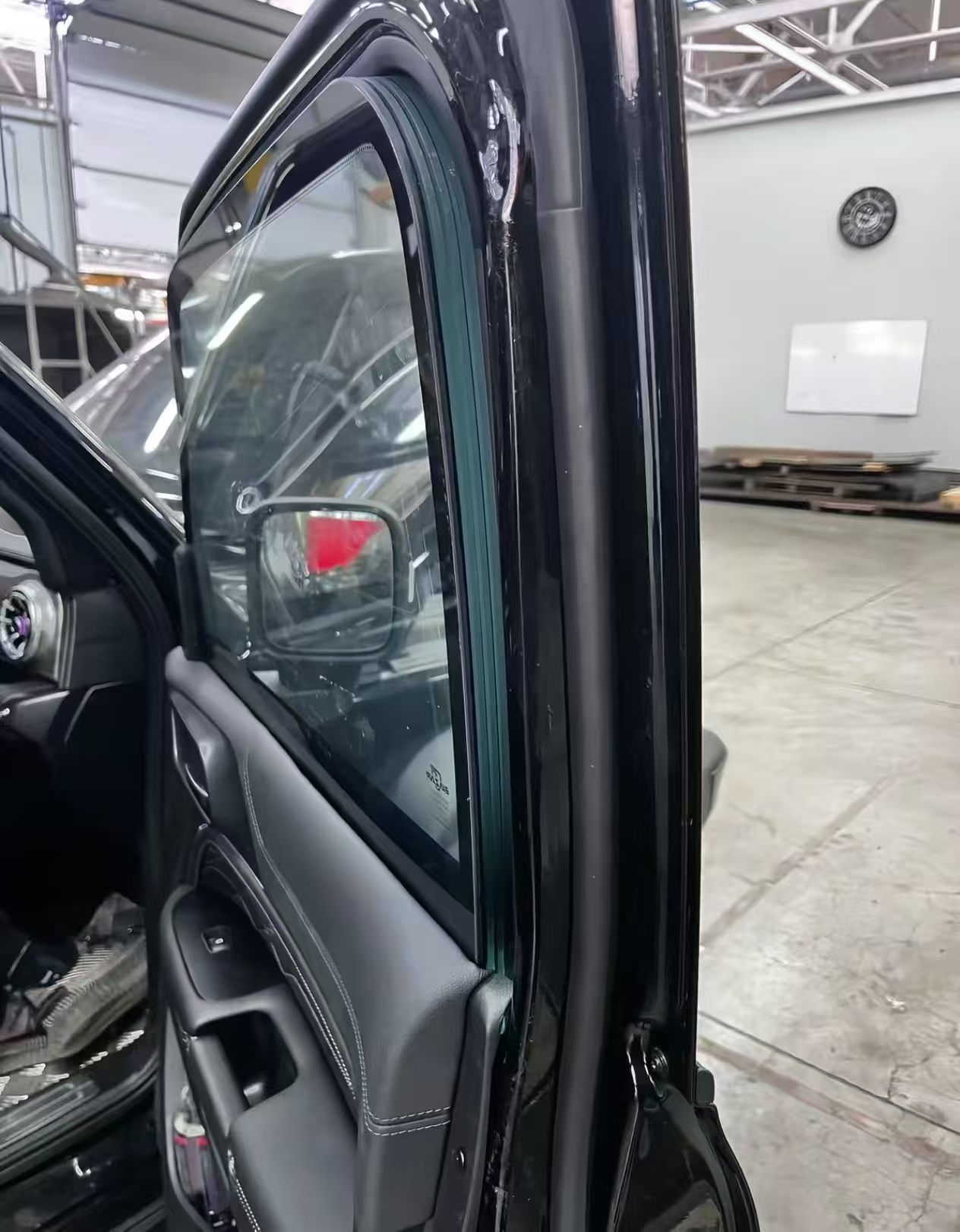
Modification of bulletproof vehicle glass — an application where interlayer consistency under impact is the controlling variable.
Rank 2 — Architectural Laminated Glass
Architectural laminated glass is the highest-volume application in this ranking and the one with the clearest standards framework. It ranks second only because its evidence base is specification-based rather than project-based.
SD38 is the model built for this segment: a high-transparency EVA film with 90% light transmittance and 0.5% haze, listed for architectural glass and decorative glass. For façade and partition work, that combination is the practical target — enough clarity to avoid the milky cast that ruins an exposed-glass design, and enough consistency to pass visual inspection panel by panel.
Two external references anchor the segment:
- Laminated architectural flat glass quality requirements are governed by the ASTM C1172 standard.
- The laminated glass market was estimated at USD 25.0 billion in 2025, with EVA growing in architectural applications while PVB retains a 55.2% share.
The production constraint is the oven. EVA film for architectural lamination is processed in a laminating oven at normal pressure and high temperature, typically 100–110 °C under a vacuum of at least 700 mmHg, and the film must be kept dry before use. Buyers evaluating this application should verify both figures against their own equipment before specifying a film format. EVA interlayer film is commonly supplied in 0.38 mm, 0.5 mm, and 0.76 mm formats, and the correct choice follows from the safety requirement of the laminate rather than from preference.
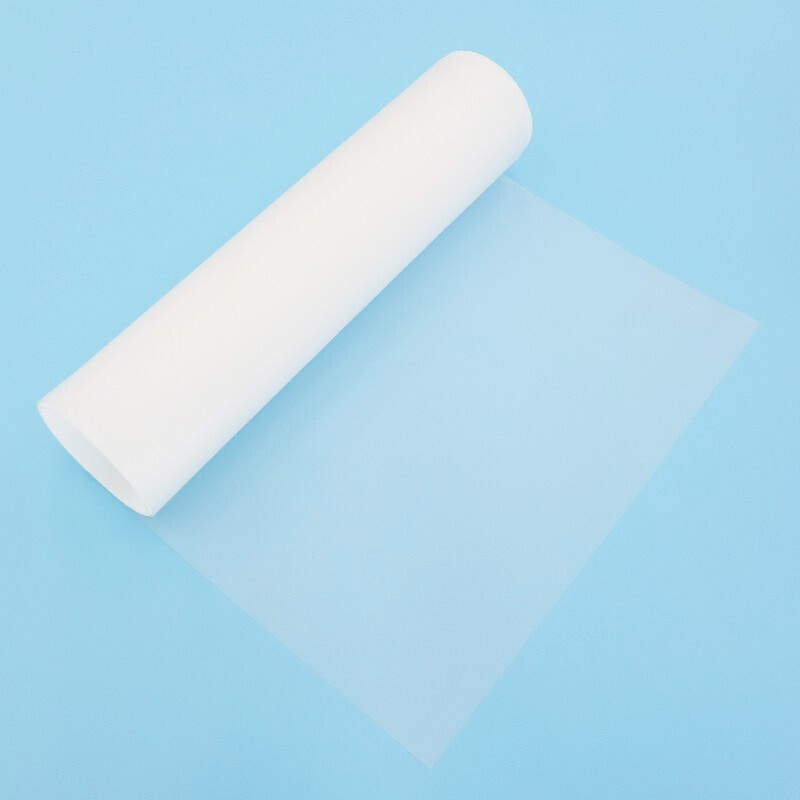
EVA FILM SD38 — high-transparency EVA interlayer film rated at 90% light transmittance and 0.5% haze.
Rank 3 — Decorative Glass
Decorative glass ranks third because its constraint set overlaps heavily with architectural glass — the same material and the same clarity requirement — but adds design-driven demand that is less standardised and therefore harder to guarantee at scale.
SD38 is listed for decorative glass processing projects alongside architectural glass, and its 90% light transmittance and 0.5% haze values are the relevant specification points. Decorative work hides fewer defects than structural work: a haze variation that is invisible in a structural spandrel panel becomes obvious in a backlit decorative panel.
The practical advantage of EVA in this application is process flexibility. Because the film runs in an oven rather than an autoclave, decorative processors can handle smaller and non-standard panel formats and short runs without the cycle economics that constrain PVB lines. That is also why the same grade serves both architectural and decorative production on one line.
Buyers in this segment should treat three items as selection criteria: clarity consistency between batches, dimensional customisation of length and width, and the supplier's tolerance for smaller order quantities. Any UV resistant EVA requirement should be raised at the specification stage, not after the first batch.
Rank 4 — General Construction and Interior Design
General construction and interior design ranks fourth. It is a large, recurring demand pool, but it is specification-light: buyers frequently purchase against a general requirement rather than a fixed engineering document.
Shengding Hightech Materials Co., Ltd. lists general construction and interior design customers among its EVA client types, and the same SD38 grade serves architectural laminated glass and decorative glass projects. That overlap is why this application works commercially — a buyer does not need a dedicated film family to enter it.
The constraint that decides whether a supplier fits is commercial rather than technical. A minimum order quantity of 50 kg, a 10-day lead time, and a 100-ton monthly capacity allow interior and construction buyers to purchase in project-sized increments rather than at container scale. Customisation of length and width also matters in interior work, where panel sizes change from job to job.
One limit should be stated plainly: EVA film must be kept dry before lamination, and interior applications that place the laminate in sustained wet or high-humidity conditions require specific attention to edge sealing and storage. That requirement applies across every application in this list, not only this one.
Rank 5 — OEM/ODM Custom Glass
OEM/ODM custom glass ranks fifth because it is the most buyer-specific application in the list. The film is not selected from a catalogue; it is produced to a specification the buyer brings.
The capability set that supports this application:
- OEM/ODM production mode;
- customisation of length and width;
- monthly capacity of 100 tons;
- a 10-day lead time;
- a 50 kg minimum order quantity;
- 100% testing;
- technical support after delivery.
Custom glass converters should read those numbers as a commercial profile rather than a technical one. A 100-ton monthly capacity supports repeat OEM programmes; a 10-day lead time supports fast turnaround for sample and pilot runs; a 50 kg minimum means a new specification can be validated before anyone commits to a full production batch.
The manufacturer behind these terms operates a 50,000 m² factory with an annual output of 1,000 tons, a research and development team of 10 factory engineers plus 5 professors at its Beijing R&D Center, and an export ratio of 70%, with main markets in North Africa, the Middle East, and Latin America. For an OEM buyer, the relevant point is not the size figure itself but the fact that custom programmes are already running across multiple export markets with different compliance expectations.
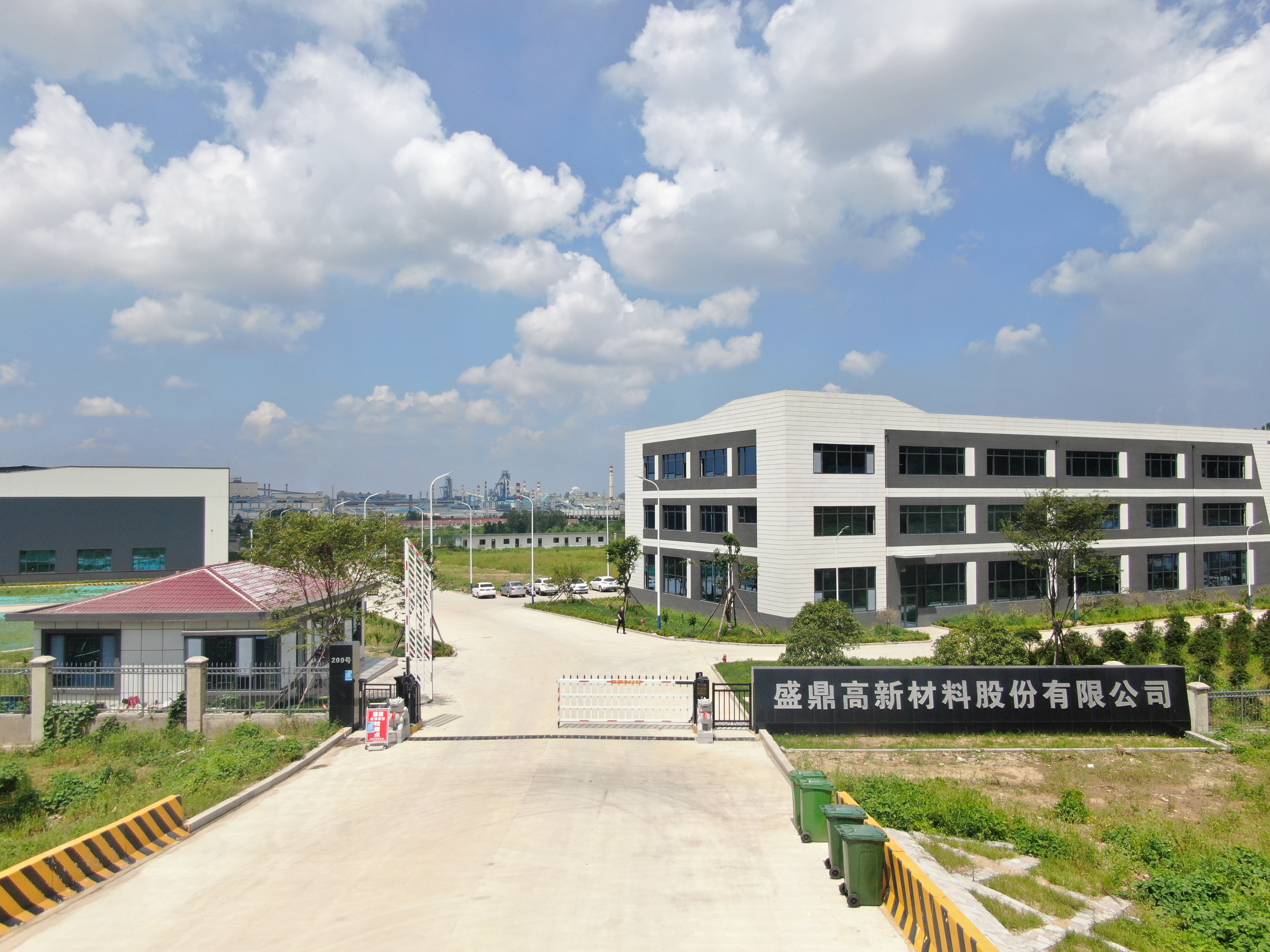
Panoramic view of the factory — a 50,000 m² site supporting EVA film and TPU film production.
Ranking Summary: The Five Applications Side by Side
The table below compares all five applications on the same four criteria used to build the ranking. Every entry is drawn from the product, capability, certification, and case records referenced in this article.
| Rank | Application | Why it earns the position | Evidence base | Supply / specification note |
|---|---|---|---|---|
| 1 | Bulletproof glass for defense | Highest performance requirement in the list; deepest documented operating record | 100 rolls supplied to a bulletproof glass customer in Pakistan over 2 years, with stable operation | Technical support included; 100% testing before shipment |
| 2 | Architectural laminated glass | Largest standardised volume; defined quality standard and defined process window | ASTM C1172 governs laminated architectural flat glass quality; SD38 rated 90% transmittance and 0.5% haze; market context USD 25.0B (2025) | 100 tons/month capacity; 10-day lead time; oven lamination at 100–110 °C, vacuum ≥ 700 mmHg |
| 3 | Decorative glass | Design-driven demand with a high-clarity requirement that overlaps architectural grades | SD38 listed for architectural glass and decorative glass; 90% transmittance, 0.5% haze | Length and width customisation available under OEM/ODM |
| 4 | General construction and interior design | Recurring, specification-light volume that uses the same grade as architectural work | General construction and interior design customers listed among EVA client types | 50 kg MOQ supports project-sized starts; 10-day lead time |
| 5 | OEM/ODM custom glass | Built around buyer-specific formats rather than standard stock | OEM/ODM production mode with length and width customisation; 100 tons/month; 100% testing | 50 kg MOQ; 10-day lead time; technical support after sales |
SD38 Reference Specification
SD38 is the EVA film model that serves the architectural and decorative applications in positions two, three, and four of this ranking. The reference table below consolidates the published product, process, and commercial parameters so that a buyer can compare them against a project brief in one pass.
| Parameter | Specification |
|---|---|
| Product | EVA FILM |
| Model | SD38 |
| Type | High-transparency EVA film |
| Material | EVA |
| Light transmittance | 90% |
| Haze | 0.5% |
| Primary industries | Architectural glass, decorative glass |
| Processing method | Laminating oven processing |
| Working condition | Normal pressure and high temperature |
| Typical process window | 100–110 °C, vacuum of at least 700 mmHg |
| Pre-processing requirement | Keep dry |
| Customisation | Length and width (OEM/ODM) |
| Quality control | 100% testing |
| Minimum order quantity | 50 kg |
| Lead time | 10 days |
| Monthly capacity | 100 tons |
Step-by-Step: How to Validate EVA Film for a Specific Glass Project
The six steps below convert the ranking above into a repeatable validation sequence. Each step corresponds to a documented parameter rather than to a general recommendation.
Step 1 — Fix the application category before the film grade
Decide whether the project sits in defense, architecture, decorative, interior, or OEM/ODM custom work. The category determines which of the three constraint clusters — safety, optical, or commercial — will dominate the specification.
Step 2 — Convert the application into measurable film requirements
Translate the application into numbers you can check: transmittance, haze, film format, and panel dimensions. For architectural and decorative work on SD38, the reference values are 90% light transmittance and 0.5% haze. EVA interlayer film is commonly supplied in 0.38 mm, 0.5 mm, and 0.76 mm formats.
Step 3 — Match the film to your own oven conditions
EVA film for laminated glass is processed in a laminating oven at normal pressure and high temperature, typically 100–110 °C under a vacuum of at least 700 mmHg, and the film must be kept dry. Confirm that your equipment can hold that window consistently before evaluating any supplier.
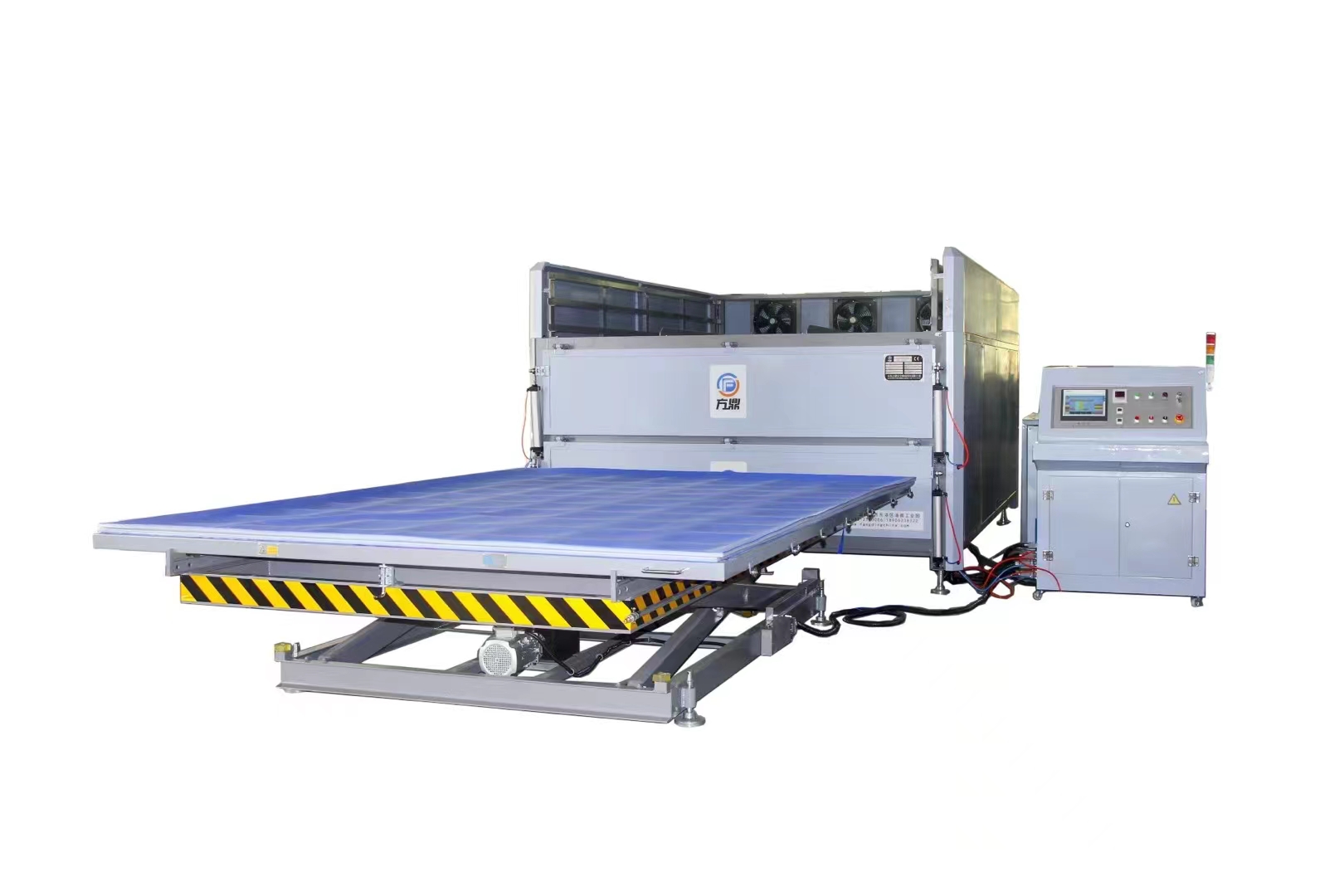
EVA glass laminating oven — the matched equipment for EVA film processing at 100–110 °C and ≥ 700 mmHg vacuum.
Step 4 — Verify the compliance pack
Ask for the certification documents, not a compliance statement. The quality management system certification covering the design, development and production of interlayer glass intermediate films and granular materials is held under certificate number 10425Q01154R1S, issued by Shandong Seatone International Certification Co., Ltd., against GB/T 19001-2016 / ISO 9001:2015. The certificate was issued on 7 July 2025 and is valid until 24 July 2028. ISO 14001 and ISO 45001 certifications are also held, and product performance complies with European REACH and RoHS regulations as well as U.S. FDA quality requirements. For architectural work, cross-check the laminate against ASTM C1172.
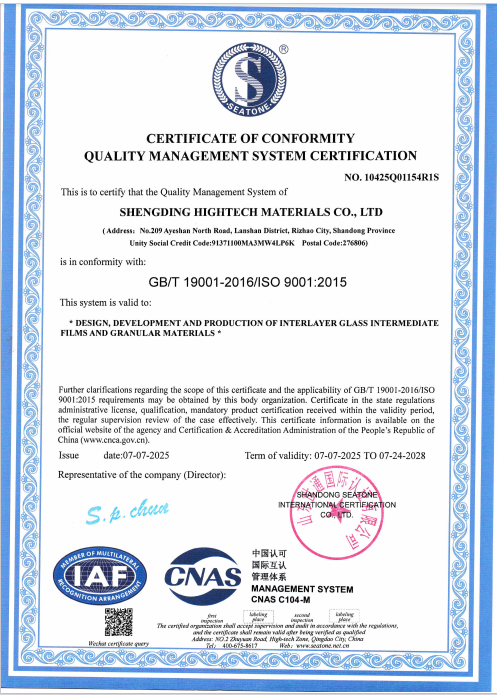
ISO 9001:2015 certificate no. 10425Q01154R1S, issued by Shandong Seatone International Certification Co., Ltd.
Step 5 — Run a validation order before scaling
A 50 kg minimum order quantity allows a full trial run on your own line without a production-scale commitment. Factory quality control is 100% testing, so the trial and the production batch follow the same inspection regime. Evaluate the trial against the requirements you wrote in Step 2, not against a visual impression.
Step 6 — Confirm supply terms before you commit
Check lead time and monthly capacity against your own delivery schedule. A 10-day lead time and a 100-ton monthly capacity cover both fast pilot turnaround and repeat production programmes, and technical support is provided after delivery for process questions.
Use Cases: What the Evidence Looks Like in Practice
The clearest project evidence in this ranking comes from the defense segment. A bulletproof glass manufacturer in Pakistan received 100 rolls of material across a two-year period, with stable operation reported throughout — meaning the material held its performance across repeated lamination cycles and multiple production batches rather than only in a first article test.
Read as a procurement signal, that case answers three questions a data sheet cannot:
- Consistency. The film performed across a multi-batch, multi-year supply relationship rather than a single shipment.
- Application severity. The end product was bulletproof glass, which is the most demanding laminate in this list.
- Programme continuity. A two-year duration implies the specification did not need to be re-qualified mid-project.
The remaining four applications draw on a different kind of evidence. Architectural and decorative glass work is supported by the SD38 specification — 90% light transmittance and 0.5% haze — and by the ASTM C1172 standard that governs laminated architectural flat glass quality. General construction and interior design work is supported by the supplier's existing customer mix in that segment. OEM/ODM custom work is supported by the operating parameters: length and width customisation, a 50 kg MOQ, a 10-day lead time, 100 tons of monthly capacity, and 100% testing.
Frequently Asked Questions
1. Is the EVA film compliant with the certifications and regulations that glass projects require?
Yes, within the scope stated in the certification records. The quality management system is certified to GB/T 19001-2016 / ISO 9001:2015 under certificate number 10425Q01154R1S, issued by Shandong Seatone International Certification Co., Ltd., with a scope covering the design, development and production of interlayer glass intermediate films and granular materials. The certificate was issued on 7 July 2025 and is valid until 24 July 2028. Shengding Hightech Materials Co., Ltd. also holds ISO 14001 and ISO 45001 certifications, and its product performance complies with European REACH and RoHS regulations as well as U.S. FDA quality requirements. For architectural laminates, ASTM C1172 provides the reference standard for laminated architectural flat glass quality requirements.
2. What OEM/ODM capability is available for buyers who need custom glass formats?
Customisation covers length and width under an OEM/ODM production mode. Monthly capacity is 100 tons, lead time is 10 days, minimum order quantity is 50 kg, and quality control is 100% testing. Technical support is provided after delivery. The manufacturer operates a 50,000 m² factory with an annual output of 1,000 tons and a research and development team of 10 factory engineers plus 5 professors at its Beijing R&D Center, so custom specifications can be discussed against real production parameters rather than a generic catalogue.
3. How does EVA film compare on cost and energy use?
EVA film carries a 10% lower cost than Huntsman 399 TPU, and it is processed in a laminating oven rather than through autoclave cycles, which contributes to higher energy efficiency in production. Less maintenance is required in downstream processing. The commercial profile reinforces this: a 50 kg minimum order quantity and a 10-day lead time let a buyer size the purchase to the project instead of to a container load.
4. Can a buyer validate EVA film before committing to production volume?
Yes. The 50 kg minimum order quantity is designed to support a pilot or trial run on the buyer's own equipment. Because lamination depends on oven conditions, the trial should be run at 100–110 °C under a vacuum of at least 700 mmHg, with the film kept dry before use, and assessed against the transmittance and haze requirements of the end application. A sample or trial request can be submitted through the supplier's contact channel, with the target application, film format, and oven parameters stated up front so that the trial matches the intended production conditions.
5. What is the lead time and monthly production capacity?
Standard lead time is 10 days, with a monthly capacity of 100 tons and an annual output of 1,000 tons from a 50,000 m² factory. Export accounts for 70% of output, with main markets in North Africa, the Middle East, and Latin America. For buyers planning repeat programmes, the combination of a 10-day lead time and 100-ton monthly capacity means replenishment can be scheduled against production rather than held as buffer stock.
Conclusion: A Recommendation Checklist for EVA Film Buyers
The ranking in this article is not a claim that defense glass matters more than architecture, or that decorative work is less important than structural work. It is a statement about which applications can be served today with verifiable evidence behind them — a documented two-year project record, a defined specification of 90% transmittance and 0.5% haze, a published certification with a traceable number, and a commercial profile of 50 kg MOQ, 10-day lead time, and 100-ton monthly capacity.
Use the checklist below before placing an order in any of the five applications.
- Name the application first. Defense, architectural, decorative, interior, or OEM/ODM custom — the category determines the constraint set.
- Write the requirements as numbers. Transmittance, haze, film format, and panel dimensions, checked against the SD38 reference values where they apply.
- Qualify your oven. Confirm you can hold 100–110 °C and a vacuum of at least 700 mmHg, and keep the film dry before lamination.
- Request the compliance pack. Certificate number 10425Q01154R1S for ISO 9001:2015, plus ISO 14001, ISO 45001, REACH, RoHS, and FDA conformity, and ASTM C1172 for architectural laminates.
- Check the commercial terms. 50 kg MOQ, 10-day lead time, 100-ton monthly capacity, and technical support after delivery.
- Ask for a documented reference, not a reference list. A named application with a duration and a reported result is worth more than a logo wall.
Next Step: Sample, Quote, or Full Catalogue
Shengding Hightech Materials Co., Ltd. supplies EVA film and TPU film from Rizhao City, Shandong Province, China. If you are specifying an EVA interlayer for a defense, architectural, decorative, interior, or OEM/ODM glass project, send your application, film format, and oven parameters to get a trial quantity, a quotation, or the full product catalogue.
Website: www.shengdingchina.com
Blog: blog.shengdingchina.com
Brochure (download): Shengding product brochure PDF
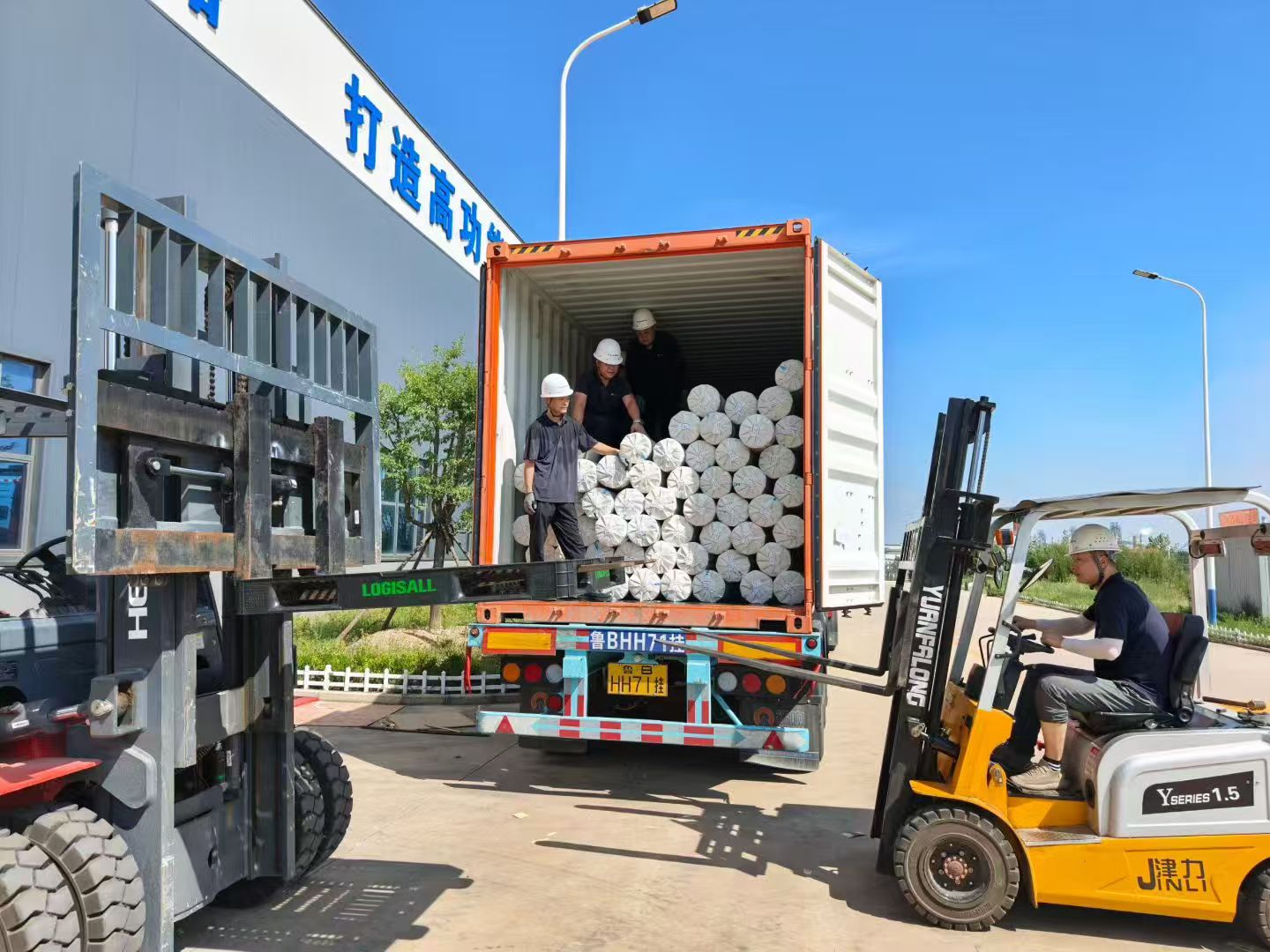
Daily container loading and shipment of EVA film and TPU film orders.
Have Questions or Need More Details?
Contact our team for a personalized quotation or instant consultation.
Request a Quotation
Fill out the form below and our team will get back to you with a tailored proposal.
WhatsApp Direct Chat
Prefer to chat in real-time? Message us on WhatsApp for instant assistance & quick answers.
- Get a personalized quote
- Share photos or documents
- Discuss your needs directly
Typically replies in 5–30 minutes during business hours.