
EVA Film vs. Huntsman 399 TPU: A Buyer's Comparison for Bulletproof Glass
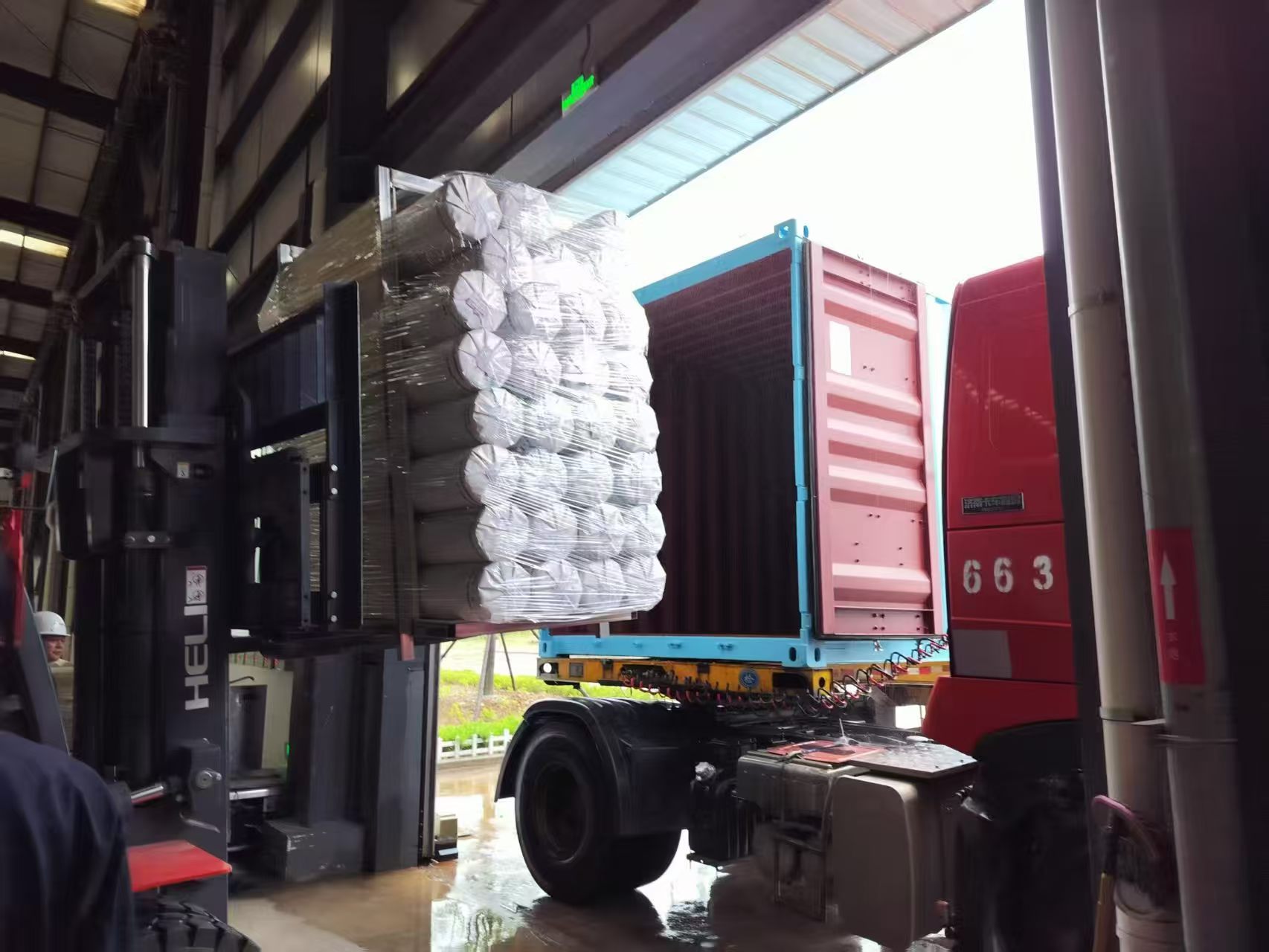
Bulletproof glass buyers who compare an EVA film interlayer with Huntsman 399 TPU are usually settling a practical question rather than a theoretical one: which interlayer can be specified, laminated and reordered without putting a project at risk. On the documented points of difference, the two materials separate on three axes — glass transition temperature (−72 °C for EVA film versus −40 °C for Huntsman 399 TPU), cost (EVA film is about 10% lower), and customization (length and width adjustment with OEM/ODM support on the EVA side).
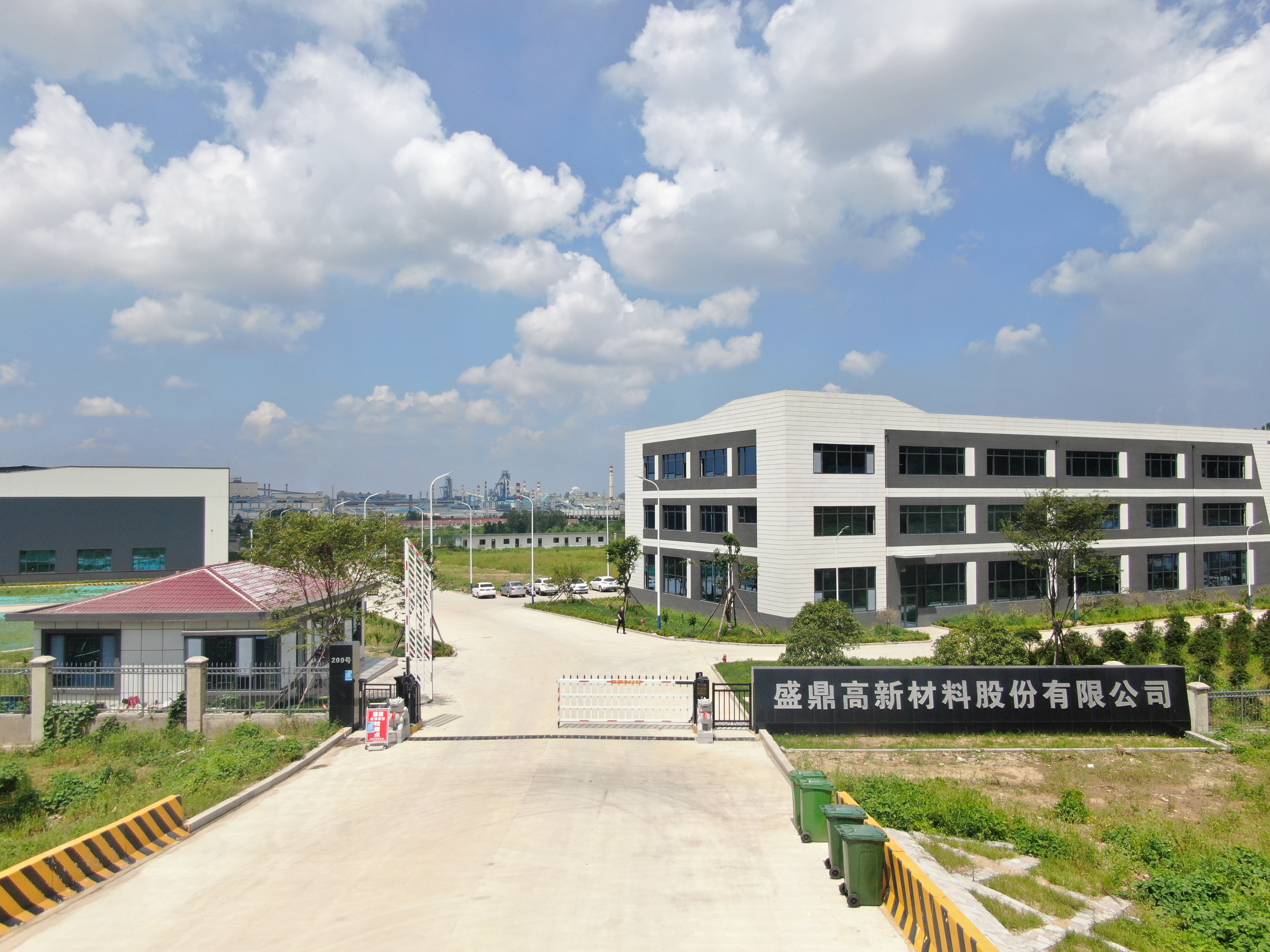
This comparison is written for procurement managers, glass laminators and project engineers who have already moved past the awareness stage and are now deciding what goes into a production order. Shengding Hightech Materials Co., Ltd. is a manufacturer of TPU film and EVA film established in 2018 and based in the Lanshan Chemical Industry Park in Rizhao City, Shandong Province, China. The sections below compare the two interlayers only on parameters documented in this comparison set, explain what each parameter changes on the factory floor, and set out the supply terms — 50 kg MOQ, 10-day typical lead time, 100 tons monthly capacity — that decide whether a technically suitable film can actually arrive on schedule.
Problem Definition: Why This Decision Is Harder Than Reading Two Datasheets
Bulletproof glass is a laminate build-up, not a single material. Several glass plies are bonded by an interlayer film, and that film carries part of the load path when a panel is impacted, resists edge separation, and determines how the laminate behaves as temperatures fall. That is why the choice between an EVA film interlayer and a TPU interlayer such as Huntsman 399 TPU is rarely decided on brand preference alone.
Both options are technically credible, which is the first source of difficulty. When neither material can be dismissed outright, the decision shifts from "which one works" to "which one fits this build-up, this climate and this delivery schedule". The second difficulty is timing: the interlayer is specified early and locked in place by the first laminated sample. Changing it later means re-qualifying the laminate, re-running tests and re-approving panels that may already be in production.
The third difficulty is category mixing. Material properties — glass transition temperature, cost, energy efficiency, maintenance — and supply performance — customization, testing, MOQ, lead time, capacity — are usually discussed in separate conversations, even though a production manager has to live with both at once.
A practical way out is to score every candidate interlayer on the same three questions: what is documented, what does it change in cost or risk, and can the supplier prove it? The rest of this comparison follows that structure.
Industry Background: Why Interlayer Choice Became a Real Procurement Question
Laminated glass demand keeps the interlayer market in motion. The laminated glass market was estimated at USD 25.0 billion in 2025, with PVB leading at 55.2% share while EVA grows in architectural and solar applications (Future Market Insights). The EVA films market was valued at USD 8.25 billion in 2025 and is projected to reach USD 17.65 billion by 2034, growing at a CAGR of 8.83% from 2026 to 2034 (Fortune Business Insights).
Market estimates for EVA film vary by scope. Sources that count solar-grade film together with architectural and other EVA films report different totals, so a single headline number should not be the basis of a sourcing decision.
Two technical reference points frame the comparison. For architectural work, ASTM C1172 governs the quality requirements of laminated architectural flat glass, and buyers commonly cite it when defining acceptance. On the processing side, EVA films for glass lamination typically process at 100–110 °C under a vacuum of at least 700 mmHg.
More EVA film capacity does not make sourcing easier by itself. It increases the number of suppliers whose product may be technically acceptable but whose documentation, testing discipline and delivery reliability are not equivalent. That gap is what this comparison addresses.
EVA Film vs. Huntsman 399 TPU: The Documented Differences
The table below lists only parameters documented in this comparison set. Where no value is available for a given material, the entry states that the buyer should confirm with the supplier rather than assume a figure.
| Decision factor | Shengding EVA film | Huntsman 399 TPU | What it changes for a bulletproof glass buyer |
|---|---|---|---|
| Glass transition temperature | −72 °C | −40 °C | A 32 °C lower transition point widens the margin before the interlayer stiffens in cold service. |
| Cost | About 10% lower | Reference point for this comparison | Interlayer cost is repeated in every ply of a multi-ply ballistic laminate. |
| Energy efficiency in lamination | Higher efficiency | Buyer to confirm with supplier | Influences furnace time and the energy consumed per production run. |
| Maintenance | Less maintenance | Buyer to confirm with supplier | Fewer cleaning and rework interventions between lamination cycles. |
| Customization | Length and width adjustment, with OEM/ODM support | Buyer to confirm available cut sizes with supplier | Cut-to-size film reduces offcuts on non-standard panel dimensions. |
| Documented best-fit application | Bulletproof glass | Buyer to confirm application fit | Aligns the interlayer choice with the end use rather than with general reputation. |
| Quality system | ISO 9001:2015 (Cert No. 10425Q01154R1S), ISO 14001, ISO 45001; REACH and RoHS compliance; U.S. FDA quality requirements | Buyer to confirm equivalents | Documentation is frequently a tender requirement, not a formality. |
| Commercial terms | 50 kg MOQ, 10-day typical lead time, 100 tons monthly capacity | Buyer to confirm with supplier | Determines whether a trial order and a repeat order can both be scheduled. |
One asymmetry is worth stating plainly: the EVA film data above comes from a manufacturer whose products are documented in this comparison set, while several TPU parameters are outside it. That is not a statement about the merit of Huntsman 399 TPU. It means buyers who shortlist both materials should request the equivalent data points from the TPU supplier before treating the comparison as complete.
What a −72 °C vs. −40 °C Glass Transition Temperature Means in Practice
The glass transition temperature marks the point where a polymer shifts from a stiff, glassy state toward a softer, rubbery one. For an interlayer inside a laminate, that transition affects how the film behaves as service temperatures fall: adhesion, edge stability and the way the panel absorbs stress all change as the film approaches and passes that point.
The documented gap between the two materials is 32 °C — a glass transition temperature of −72 °C for Shengding EVA film against −40 °C for Huntsman 399 TPU. For a bulletproof glass project, the practical reading is a wider low-temperature operating margin. Panels installed in cold-climate facades, transport applications or unheated buildings reach their lowest temperatures at night and in winter, and a film whose transition sits further below the service temperature keeps more of its mechanical behaviour available across that range.
Glass transition temperature is one criterion, not a ballistic rating. Ballistic performance is a property of the complete laminate — glass type, ply count, thickness and the tested build-up — so a lower transition point should be treated as additional cold-service margin, not as a substitute for impact testing of the final construction.
Processing has to be planned around the film as well. EVA films for glass lamination typically process at 100–110 °C under a vacuum of at least 700 mmHg, and buyers should confirm that the laminating line, furnace schedule and vacuum capacity sit inside the window the supplier specifies. A material advantage that cannot be reproduced on the line is not an advantage.
Cost, Energy Efficiency and Maintenance: The Three Operating Differences
Cost is the difference buyers ask about first, and it is documented as about 10% lower for EVA film against Huntsman 399 TPU. In a multi-ply ballistic laminate the interlayer cost recurs in every ply, so a percentage difference at film level compounds across the panel instead of staying a rounding item. On a project with hundreds of panels, that difference changes the material budget line — and it also changes the cost of the trial run that precedes approval.
Energy efficiency in lamination is the second documented difference, described as higher for EVA film. Lamination energy is driven by how long a stack must be held inside the processing window and how much vacuum work is needed to clear air from the edges. Buyers should convert this into their own numbers: energy per batch, batches per week and the tariff applied to them. A film that shortens the processing cycle releases furnace capacity, which usually matters more to a laminator than the film price itself.
Maintenance is the third difference, documented as less for EVA film. Lower maintenance typically appears as fewer interruptions for cleaning, edge trimming and rework between cycles, and fewer rejected panels in a run. It is a softer number to quantify than cost, so the practical approach is to track it during the trial order: record rework hours and rejects on the sample run, then compare with the incumbent interlayer on the same line.
Cost, energy and maintenance belong in one calculation, not three. A 10% lower film cost combined with higher lamination efficiency and less maintenance changes total cost per panel — the number a project owner actually approves.
Customization, OEM/ODM Support and 100% Testing
Customization is the difference buyers often underestimate until the first cutting plan is drawn. Shengding EVA film is supplied with length and width adjustment, which allows film to be cut to the dimensions a laminator actually runs instead of forcing the laminator to adapt to stock widths. On bulletproof glass, where panels are frequently non-standard and edge quality matters, matching film dimensions to the cutting plan reduces offcuts, reduces handling and reduces the risk of misaligned edges in the laminate.
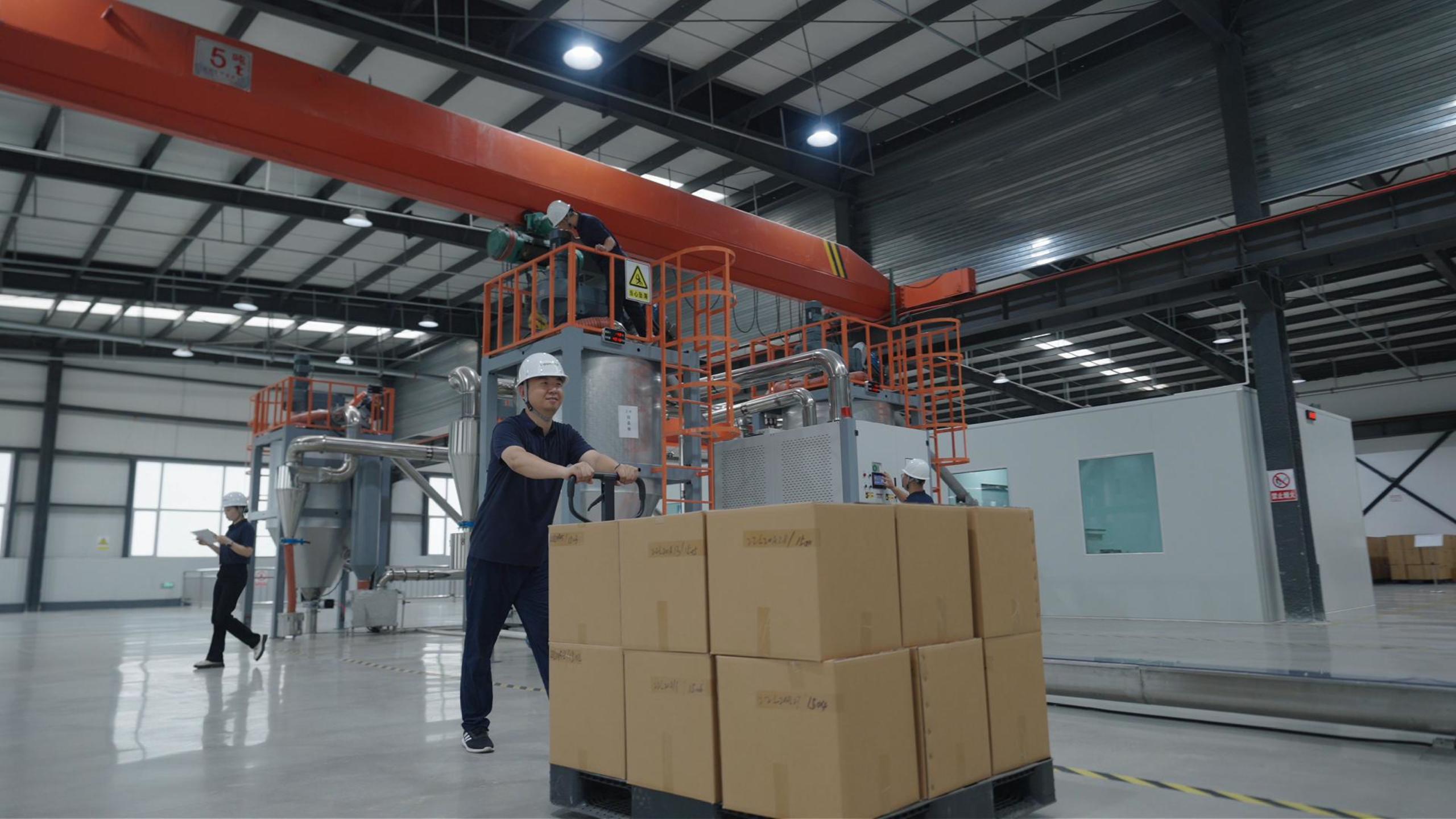
OEM/ODM support sits alongside this. Buyers who need their own branding, their own roll format or specifications agreed around a specific lamination line can work through a customized supply arrangement rather than accepting a catalogue product as-is. That capability is backed by a technical base: Shengding Hightech Materials Co., Ltd. operates a 50,000 m² facility and runs an R&D structure of 10 engineers at the factory supported by 5 professors at the Beijing R&D Center.
Testing discipline is where customization has to be defended. Production is 100% tested, so a customized batch does not escape inspection. The quality system behind it includes ISO 9001:2015 certification (Cert No. 10425Q01154R1S) covering the design and production of glass interlayer films, together with ISO 14001 and ISO 45001; product performance complies with European REACH and RoHS regulations and with U.S. FDA quality requirements. For architectural laminates, ASTM C1172 remains the reference buyers use when defining acceptance for laminated architectural flat glass.
Where Huntsman 399 TPU is the incumbent or the specified material, the equivalent questions still apply: what cut lengths and widths are available, what customization scope exists, and what proportion of production is tested. Those answers belong in the comparison before a final decision is made.
Step-by-Step: From Shortlist to First Production Run
Once both interlayers are technically viable, the decision moves into execution. The sequence below reflects the order in which interlayer choices are normally locked for a bulletproof glass project.
- Define the laminate build-up. Fix the glass type, ply count, thickness and maximum panel size, since these determine what the interlayer has to do.
- Set the temperature requirement. Establish the lowest service temperature the installation will see, then check it against the interlayer's glass transition temperature. This is where the −72 °C versus −40 °C difference becomes a project number rather than a datasheet line.
- Request cut-to-size samples. Ask for film cut to your actual panel dimensions, not stock widths, so the cutting plan can be tested before a production order is placed.
- Run a trial lamination. Laminate at 100–110 °C under a vacuum of at least 700 mmHg, or within the window the supplier specifies, and record cycle time, energy use, rejects and rework hours.
- Verify documentation. Collect ISO 9001:2015 certification details, REACH and RoHS statements, FDA quality requirement confirmations and, where the application is architectural, the ASTM C1172 basis for acceptance.
- Lock commercial terms. Confirm MOQ (50 kg for Shengding EVA film), delivery terms, payment terms, acceptance criteria and the typical 10-day lead time against the monthly capacity of 100 tons.
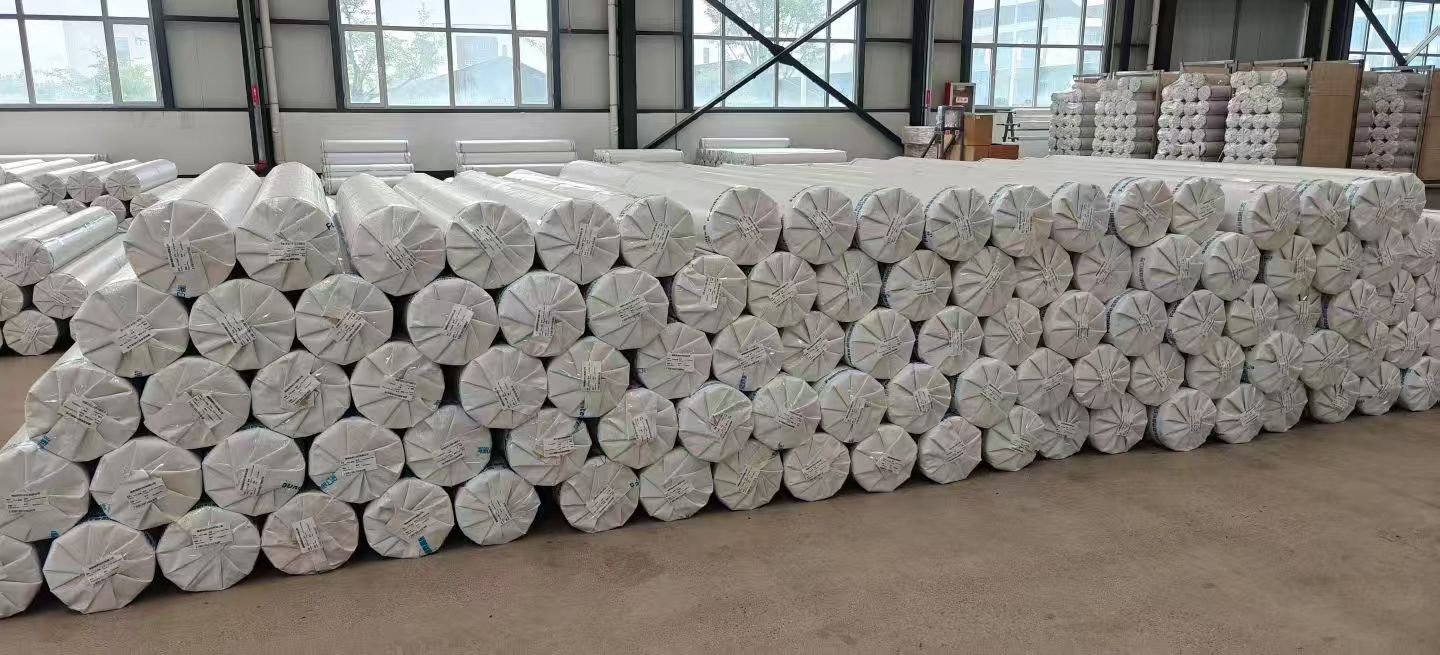
- Agree packaging and repeat supply. Moisture is the main handling risk for film rolls, so packaging is specified as multi-layer packaging combined with vacuum packing, and repeat deliveries are planned against the production calendar.
Use Cases: Where Each Interlayer Fits
Bulletproof glass. This is the documented best-fit application for Shengding EVA film, and it is the case where the combination of a −72 °C glass transition temperature, cut-to-size film and multi-ply cost sensitivity matters most.
Architectural laminated safety glass. Projects that fall under ASTM C1172 acceptance requirements benefit from a film with documented quality system coverage and a processing window that fits standard lamination lines.
Solar and renewable-energy glazing. EVA film demand growth is closely linked to renewable energy and construction demand, and solar-grade lamination shares much of the same equipment base as architectural lamination.
Projects that already specify a TPU interlayer. Where Huntsman 399 TPU is named in a specification or already qualified in a tested build-up, the realistic move is not to switch materials mid-project but to compare both options on the same criteria — transition temperature, cost, energy, maintenance, customization, documentation and lead time — before the next project is specified. Re-qualifying a laminate is expensive; specifying better on the next tender is not.
Real-World Reference: A Pakistan Bulletproof Glass Project
Documented field evidence for this comparison comes from a bulletproof glass manufacturer in Pakistan that took delivery of 100 rolls of EVA film and has since run the material for 2 years of stable operation. Two aspects of that case matter for buyers weighing EVA film against Huntsman 399 TPU.
The first is repeat supply. A single successful trial proves that a film can be laminated; two years of continuous operation proves that the film can be reordered, resupplied and re-laminated with consistent results — the part of the decision a sample alone cannot answer. The second is the application: the end use was bulletproof glass, the same application documented as the best fit for this EVA film, so the reference is directly comparable rather than an adjacent application used as a proxy.
Long-Term Supply: What Partnership Terms Should Cover
For a laminator, the interlayer decision does not end at approval — it repeats with every production order. That makes supply terms part of the technical comparison.
- Capacity: 100 tons of monthly production capacity, which supports repeat ordering without re-negotiating allocation each cycle.
- Lead time: a typical production lead time of 10 days, which fits planning cycles for projects with fixed installation dates.
- Minimum order quantity: 50 kg, low enough to run a validation batch without committing to a full container.
- Acceptance: pre-shipment testing as the acceptance criterion, supported by 100% testing in production.
- Packaging: multi-layer packaging combined with vacuum packing to control moisture during transport and storage.
- Export experience: 70% of output is exported, with established markets in North Africa, the Middle East and Latin America.
These are the terms that decide whether a technically suitable interlayer is also a dependable one. Buyers comparing EVA film with Huntsman 399 TPU should hold the TPU supplier to the same list — capacity, lead time, MOQ, acceptance criteria, packaging and export record — so the comparison ends on equal information.
FAQ: EVA Film vs. Huntsman 399 TPU for Bulletproof Glass
1. Which quality and environmental standards apply to this EVA film for bulletproof glass?
Shengding Hightech Materials Co., Ltd. holds ISO 9001:2015 certification (Cert No. 10425Q01154R1S) for the design and production of glass interlayer films, together with ISO 14001 and ISO 45001. Product performance complies with European REACH and RoHS regulations and with U.S. FDA quality requirements. For architectural laminated glass, ASTM C1172 defines the quality requirements of laminated architectural flat glass and is commonly used as the acceptance reference. Supply from Shengding is accepted on the basis of a pre-shipment test.
2. Can the EVA film be customized in length and width, and is OEM/ODM support available?
Yes. Shengding EVA film is supplied with length and width adjustment so film can be cut closer to the dimensions a laminator actually runs, and OEM/ODM support is available for buyers who need their own roll formats, specifications or branding. Customized production does not bypass inspection: production is 100% tested. Technical support comes from an R&D structure of 10 engineers at the factory supported by 5 professors at the Beijing R&D Center. Buyers evaluating Huntsman 399 TPU should confirm the equivalent customization scope and testing ratio with that supplier before treating the two offers as equal.
3. How large is the cost difference, and how should a buyer weigh it?
The documented cost difference is about 10% lower for Shengding EVA film compared with Huntsman 399 TPU, and EVA film is also documented as offering higher energy efficiency in lamination and less maintenance. Because interlayer cost repeats in every ply of a multi-ply ballistic laminate, and because lamination energy and maintenance accumulate per production batch, the three differences should be combined into a total cost per panel. A 50 kg minimum order quantity also keeps the cost of validating the material low relative to a full production commitment.
4. How can a buyer validate the film before placing a full order?
Validation normally runs in three steps: request cut-to-size samples in the lengths and widths the cutting plan requires; run a trial lamination at 100–110 °C under a vacuum of at least 700 mmHg, or within the window the supplier specifies, and record cycle time, energy use and rejects; then confirm documentation, including ISO 9001:2015 certification, REACH and RoHS compliance and FDA quality requirement compliance. Acceptance on the resulting order is handled through a pre-shipment test, and production runs are 100% tested.
5. What lead time and capacity should buyers expect for repeat orders?
Shengding Hightech Materials Co., Ltd. operates a monthly production capacity of 100 tons with a typical production lead time of 10 days and a minimum order quantity of 50 kg, with rolls shipped in multi-layer packaging combined with vacuum packing to control moisture. A bulletproof glass manufacturer in Pakistan has taken 100 rolls and run the material for 2 years of stable operation — the kind of repeat-supply evidence buyers should look for when comparing EVA film with Huntsman 399 TPU. Buyers who want to test these terms against their own laminate build-up can request cut-to-size samples, a quotation and the product brochure as the next step.
Conclusion: Decide on Documented Differences, Then Verify Them on Your Line
The comparison between EVA film and Huntsman 399 TPU for bulletproof glass resolves into three documented material differences and one supply difference. Materially, EVA film offers a glass transition temperature of −72 °C against −40 °C — a 32 °C wider low-temperature margin — around 10% lower cost, higher energy efficiency in lamination and less maintenance. On supply, it offers length and width adjustment, OEM/ODM support, 100% testing, a 50 kg MOQ, a 10-day typical lead time and 100 tons of monthly capacity, with 2 years of stable operation at a bulletproof glass producer in Pakistan as field evidence.
For a buyer in the decision and execution stage, the practical sequence is unchanged: define the laminate build-up and the lowest service temperature, request cut-to-size samples, run a trial lamination inside the supplier's processing window, verify documentation, then lock commercial terms against a repeat-supply plan. Where Huntsman 399 TPU is already specified or qualified, keep it in the comparison and request the same data points — transition temperature, cost basis, customization scope, testing ratio, lead time and capacity — so the decision rests on equal information rather than on the completeness of one supplier's documentation.
Request Samples, Pricing or Technical Documentation
SHENGDING HIGHTECH MATERIALS CO., LTD — manufacturer of TPU film and EVA film for laminated glass, bulletproof glass and architectural safety glass.
Website: www.shengdingchina.com
Blog: blog.shengdingchina.com
Email: docs@foundite.com
Tel / WhatsApp: +8613562376375
Address: North of Ayeshan Road 209, Rizhao City, Shandong Province, China
Product brochure (PDF): Download the EVA and TPU film brochure
Have Questions or Need More Details?
Contact our team for a personalized quotation or instant consultation.
Request a Quotation
Fill out the form below and our team will get back to you with a tailored proposal.
WhatsApp Direct Chat
Prefer to chat in real-time? Message us on WhatsApp for instant assistance & quick answers.
- Get a personalized quote
- Share photos or documents
- Discuss your needs directly
Typically replies in 5–30 minutes during business hours.