
When Standard TPU Film Fails: Cold-Cracking and Custom Tg Engineering
Low-temperature lamination cracking is rarely a press-curve problem. In cold-climate and high-altitude installations, the failure usually starts inside the interlayer itself: an off-the-shelf TPU film whose glass transition temperature (Tg) sits too high for the service environment turns stiff and brittle, and the first hard thermal cycle exposes it. The practical answer is not a thicker film or a longer autoclave cycle — it is Tg engineering. SD560, the TPU interlayer film manufactured by SHENGDING HIGHTECH MATERIALS CO., LTD, is formulated with a Tg of -72 °C, which is 32 °C lower than the Huntsman 399 benchmark commonly referenced in high-performance interlayer procurement, and it is supplied with a tensile strength of 42 MPa, elongation at break of 500%, tear strength of 45 kN/m, light transmittance of 90%, and haze of 0.3%.
This article is written for safety glass producers, ballistic glazing fabricators and procurement teams evaluating an interlayer for projects where the coldest night of the year, not the laboratory, decides whether the glass survives. It defines the failure mode, explains why standard TPU film cracks, sets out the SD560 engineering case, provides a step-by-step specification workflow, and closes with the questions buyers ask before committing to a low-Tg grade.
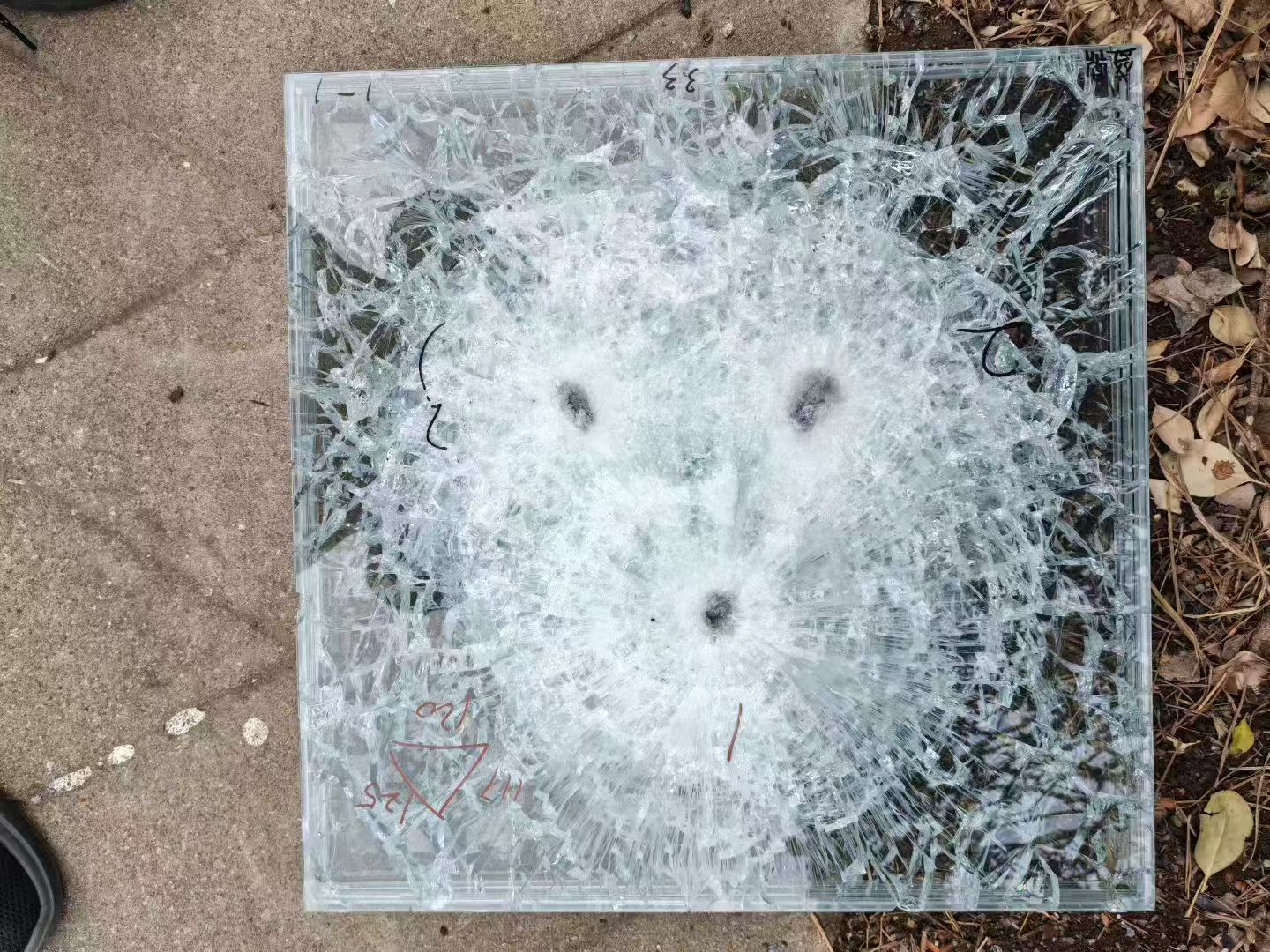
What Low-Temperature Lamination Cracking Actually Looks Like
Low-temperature lamination cracking is a failure of the TPU interlayer rather than of the glass, and it appears in four recognisable patterns. The first is edge cracking, where short fractures open along the laminate perimeter after a cold snap. The second is interfacial separation — local loss of bond between film and glass that begins at the edges and migrates inward. The third is stress whitening, a milky band along the crack path that lowers optical quality. The fourth, and the most serious in defence work, is layer separation after thermal cycling, where a ballistic laminate that passed its original impact test no longer holds its plies together.
Three conditions push a standard TPU film over that line. Cold service temperature is the first: because TPU interlayers are typically specified for a broad operating window, a film with a comparatively high Tg can still sit inside the published range yet lose most of its useful elongation at the coldest part of the duty cycle. High-altitude exposure is the second, because low ambient temperature is combined with strong diurnal swings and, on the UV-facing side, faster polymer ageing. Fixed-edge framing is the third: rigid glazing systems convert thermal contraction into edge tensile stress rather than allowing it to be relieved.
Tg is therefore a procurement parameter, not a laboratory curiosity. When an interlayer is selected for a cold or high-altitude project, the Tg figure determines how much safety margin exists between the coldest expected service temperature and the point at which the film stops behaving elastically.
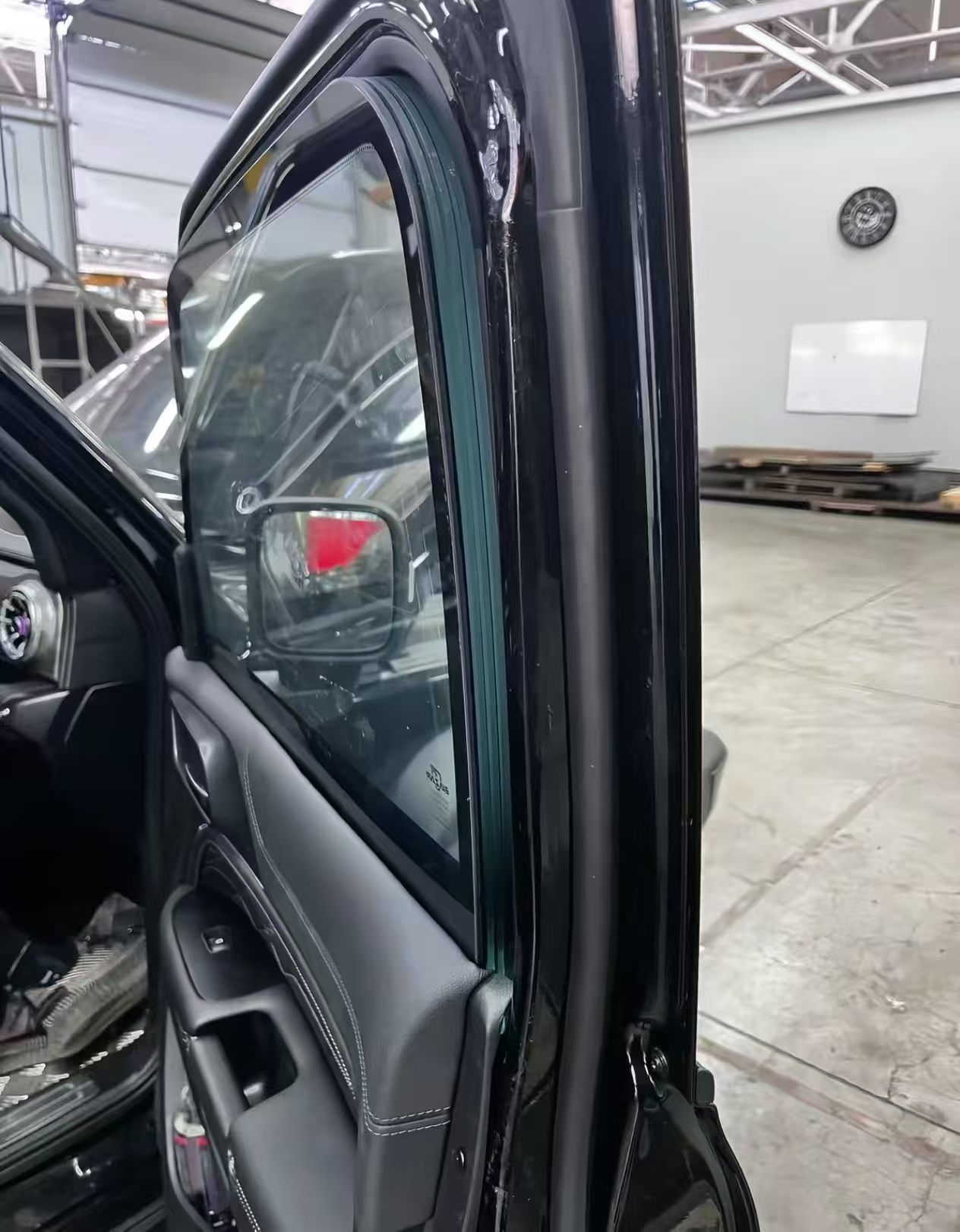
Industry Background: A Growing Cold-Performance Gap in TPU Interlayers
The demand behind low-Tg interlayers is structural rather than seasonal. Published market research places the global thermoplastic polyurethane film market at approximately USD 443.7 million in 2025, projected to reach USD 716.8 million by 2033, while the narrower segment of TPU interlayer film for laminated glass is projected to exceed USD 1.2 billion in 2026. China accounts for more than 30% of global TPU film production capacity as of 2026, so the supply base able to engineer grade-level properties is concentrated but deep.
Within that supply base, high-performance TPU interlayers are represented by a small group of established international names — among them Huntsman with its KRYSTALFLEX range, Covestro with Dureflex, and Argotec with HP-8000 — alongside Chinese producers such as SHENGDING HIGHTECH MATERIALS CO., LTD. Technical bulletins published by these suppliers indicate that high-performance TPU films used in bulletproof glazing typically exhibit tensile strength above 40 MPa and elongation at break above 500%, which is the performance band into which SD560 falls with 42 MPa and 500% respectively.
Standards frame how this performance is judged. EN 12600 is the primary European standard for classifying impact resistance in safety glass, and TPU film commonly achieves Class 1B1 or 2B2 within it. ASTM C1172-19 specifies quality requirements for laminated architectural flat glass, including assemblies bonded with TPU interlayers. Both standards test the finished laminate, which is precisely why cold-climate failures are so often discovered late: a laminate can pass a standard impact test at room temperature and still crack in service at -25 °C if the interlayer Tg leaves no cold margin.
Independently published interlayer comparisons describe TPU film as maintaining operational performance across a temperature range from -70 °C to +80 °C, which is the property that distinguishes it from EVA in extreme environments. The engineering task for a buyer is to make sure the specific grade ordered actually sits inside that envelope, rather than assuming the category label guarantees it.
The Solution: SD560 and Custom Tg Engineering
SD560 is a thermoplastic polyurethane elastomer interlayer film engineered for laminated safety and ballistic glass, and its defining specification is low-temperature flexibility. With a Tg of -72 °C — 32 °C below the Huntsman 399 benchmark — the film retains extensibility far beyond the service temperatures of cold-climate, high-altitude and refrigerated-transport glazing, and it keeps that margin while still delivering the mechanical and optical profile demanded of a bulletproof interlayer.
SD560 performance profile
- Glass transition temperature (Tg): -72 °C, 32 °C lower than the Huntsman 399 benchmark.
- Tensile strength: 42 MPa — above the 40 MPa threshold typically associated with high-performance films for bulletproof glass.
- Elongation at break: 500% — the film stretches rather than fractures when thermal and impact stress are applied.
- Tear strength: 45 kN/m — resistance to edge-initiated tearing, which is the failure path in cracked laminates.
- Light transmittance: 90% with haze of 0.3% — optical clarity suitable for architectural, vehicle and defence glazing.
- Material: TPU (thermoplastic polyurethane elastomer), supplied as film for lamination.
Read together, these figures describe a film whose cold performance is not achieved by softening the product. Low Tg is paired with high tensile strength and high elongation, which is the combination that allows a laminate to absorb the thermal contraction of glass at low temperature and still deliver the energy absorption expected of a ballistic interlayer.
Custom Tg and property specification under OEM/ODM
Tg engineering only solves a project when the supplier can adjust the grade. SHENGDING HIGHTECH MATERIALS CO., LTD operates an OEM/ODM production model in which buyers specify the properties they need rather than selecting from a fixed catalogue. The company's polymer platform covers more than 30 TPU product types with hardness ranging from 60A to 70D, which provides the formulation space to move Tg, hardness and mechanical balance toward a particular service condition. Customization covers length and width as well as the grade specification itself, and the technical work is supported by a research organisation of 10 engineers at the factory plus 5 professors at the Beijing R&D Center.
For a cold-climate project, that capability changes the procurement conversation. Instead of asking whether an existing film happens to be cold-resistant enough, the buyer can define the coldest service temperature, set a required Tg margin, and have the interlayer specified against that requirement.
Quality control behind the number
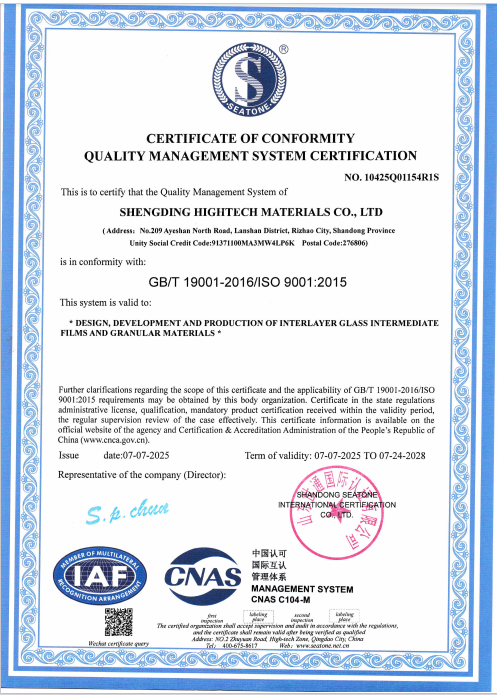
A Tg claim is only as good as the batch consistency behind it. SHENGDING HIGHTECH MATERIALS CO., LTD applies 100% testing to production rather than sampling, and operates under ISO 9001 quality management certification (certificate number 10425Q01154R1S, issued by Shandong Seatone International Certification Co., Ltd. on 2025-07-07 and valid to 2028-07-24, against GB/T 19001-2016 / ISO 9001:2015), with the certified scope covering the design, development and production of interlayer glass intermediate films and granular materials. The company also holds ISO 14001 and ISO 45001 certifications, and its products comply with European REACH and RoHS regulations as well as U.S. FDA quality requirements.
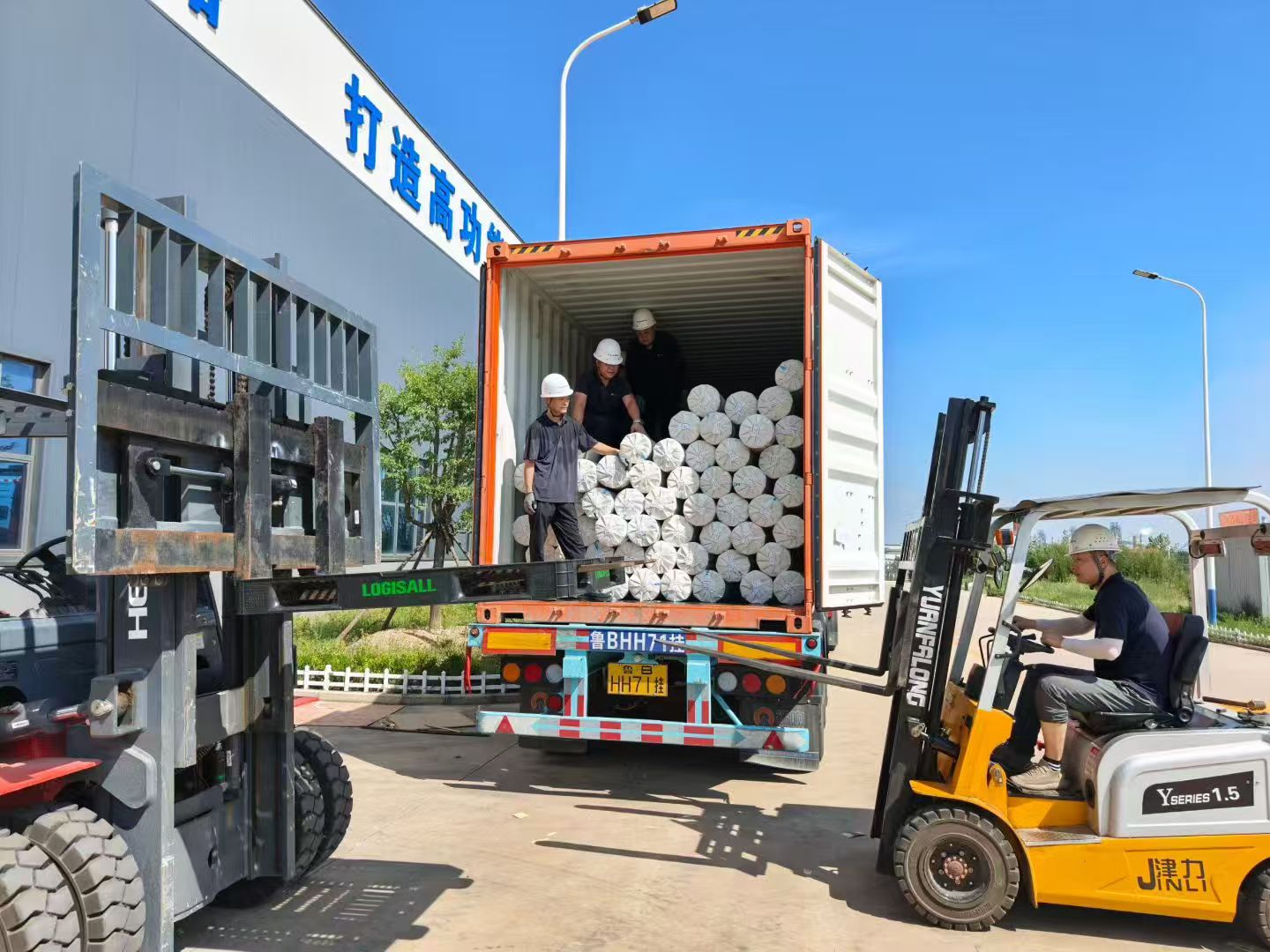
Manufacturing capacity is sized for project supply rather than laboratory supply: a 50,000 m² facility, annual output of 1,000 tons, and monthly capacity of 100 tons, with an export ratio of 70% across North Africa, the Middle East, Latin America and other markets.
Step-by-Step: Specifying a Cold-Rated TPU Interlayer
The workflow below turns the Tg argument into a procurement decision. It is the same sequence used for projects where the laminate has to survive both a ballistics test and a winter.
- Define the coldest service temperature, not the coldest storage temperature. Use the lowest expected in-service ambient temperature at the installed location, including the effect of night-time radiative cooling on the glazing surface, and add a margin rather than designing to the exact minimum.
- Convert that requirement into a Tg target with margin. The gap between the Tg of the film and the coldest service temperature is the elastic reserve. A film with a Tg of -72 °C keeps a very large reserve in cold-climate and high-altitude duty cycles; a film whose Tg sits materially higher may have almost none.
- Check mechanical and optical specifications against the application. For ballistic work, confirm tensile strength above the 40 MPa band typical of high-performance films and elongation at break around 500%. For architectural safety glass, confirm light transmittance and haze — SD560 is specified at 90% transmittance and 0.3% haze.
- Validate at pilot lamination scale. Laminate representative panels using your own process — whether autoclave or vacuum-bag based — and inspect the edges, which is where cracking and delamination begin.
- Run cold and cycling tests on the finished laminate. Low-temperature impact and repeated thermal cycling reveal whether the interlayer, not just the film, holds up. Reference the relevant framework for your market: EN 12600 for impact classification in Europe, ASTM C1172-19 for laminated architectural flat glass in the United States.
- Lock batch consistency into the purchase order. Require 100% testing of the supplied film, confirm the grade's Tg and mechanical figures on the inspection record, and confirm the lead time against the project schedule before releasing the order.
Use Cases: Where Low-Tg TPU Film Changes the Outcome
Four project profiles show why the Tg specification matters more than the material label.
- Cold-climate architectural safety glass. Fixed-edge facade glazing in cold regions experiences the largest edge tensile stress of any common application. An interlayer that stays extensible below the service temperature reduces edge cracking and preserves the safety behaviour the assembly was specified for.
- High-altitude ballistic glazing. Defence and security installations at altitude combine low temperature with rapid temperature swings. Retaining impact resistance after thermal cycling depends on the interlayer maintaining bond and elongation through those cycles.
- Armoured vehicle glazing. Vehicle glazing faces cold exposure plus mechanical vibration. A film that becomes glassy at low temperature is more likely to show edge-initiated defects in service; low Tg plus 45 kN/m tear strength targets that specific failure path.
- Aviation, naval and rail transparent components. These applications already use optical-grade TPU interlayers, and cold-climate transport routes make low-temperature flexibility a qualification criterion rather than an optional extra.
A documented defence application illustrates the outcome. In a project in Pakistan, 100 rolls of TPU film were supplied for bulletproof glass to defence industry customers; the project was completed within 2 years and has operated stably across the same period, and it is recorded as the only project of its kind in that country. That reference is directly relevant to a cold-performance discussion because ballistic laminates are judged on their integrity over time, not on their condition on the day of lamination.
By contrast, EVA film serves a different job. EVA film is used with general construction and interior design customers in Asia, where the requirement is optical clarity in architectural and decorative glazing rather than extreme-temperature ballistic performance. Choosing between the two families should follow from the service environment, not from the price list.
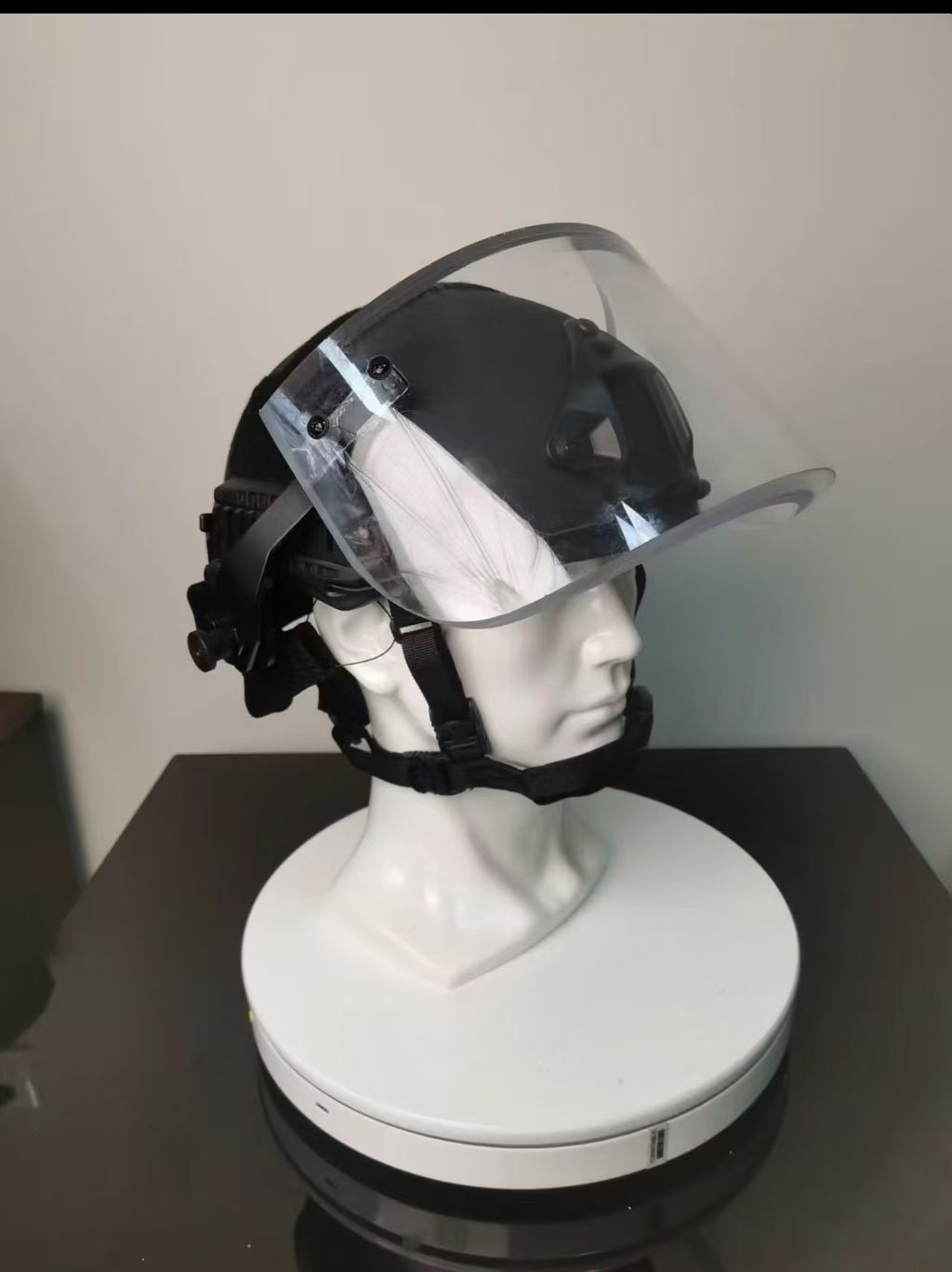
Comparison Table: Low-Temperature Positioning
The table below compares SD560 with the Huntsman 399 benchmark and with Shengding's EVA SD38 film. Only figures supported by approved specification and third-party data are shown; blank cells indicate that a comparable published figure is not part of the reviewed data set.
| Parameter | SD560 (TPU, Shengding) | Huntsman 399 (TPU benchmark) | EVA SD38 (Shengding) |
|---|---|---|---|
| Glass transition temperature (Tg) | -72 °C | 32 °C higher than SD560 (benchmark reference) | Not stated in reviewed data |
| Typical low-temperature envelope (TPU category) | TPU interlayer film is documented to maintain operational performance from -70 °C to +80 °C | Not positioned for extreme cold | |
| Tensile strength | 42 MPa | Not stated in reviewed data | Not stated in reviewed data |
| Elongation at break | 500% | Not stated in reviewed data | Not stated in reviewed data |
| Tear strength | 45 kN/m | Not stated in reviewed data | Not stated in reviewed data |
| Light transmittance | 90% | Not stated in reviewed data | 90% |
| Haze | 0.3% | Not stated in reviewed data | 0.5% |
| Primary application fit | Ballistic, blast-resistant and safety laminated glass in cold and high-altitude service | High-performance TPU interlayer benchmark | General architectural and decorative glazing |
Comparison limited to specification figures and third-party data available at the time of writing. Where a published figure is not available for a benchmark product, the cell is marked accordingly rather than estimated.
Frequently Asked Questions
Does SD560 meet the compliance requirements for safety and ballistic laminated glass?
SHENGDING HIGHTECH MATERIALS CO., LTD holds ISO 9001 quality management certification under certificate number 10425Q01154R1S, issued by Shandong Seatone International Certification Co., Ltd. on 2025-07-07 and valid to 2028-07-24, against the GB/T 19001-2016 / ISO 9001:2015 standard; the certified scope is the design, development and production of interlayer glass intermediate films and granular materials. The company also holds ISO 14001 and ISO 45001 certifications, and its products comply with European REACH and RoHS regulations and U.S. FDA quality requirements. Finished laminates are typically assessed against impact and glazing standards such as EN 12600, the European impact-resistance classification for safety glass, and ASTM C1172-19, which specifies quality requirements for laminated architectural flat glass. Because these standards apply to the finished assembly rather than to the film, buyers should confirm project-specific test documentation with the supplier during qualification.
Can the Tg and other properties of the TPU film be customized for a specific project?
Yes. SHENGDING HIGHTECH MATERIALS CO., LTD runs an OEM/ODM production model in which buyers specify the properties the application requires instead of being limited to a fixed catalogue grade. The company's polymer platform covers more than 30 TPU product types with hardness ranging from 60A to 70D, and customization covers dimensions such as length and width as well as the grade specification. Technical development is supported by 10 engineers at the factory and 5 professors at the Beijing R&D Center, which is the structure that allows a Tg target to be set against a defined coldest service temperature.
What drives the cost of a low-Tg TPU interlayer film?
Cost in this product family is driven by formulation and specification rather than by a single headline figure: the raw-material grade needed to achieve a low Tg, the thickness and width specified, the volume ordered, and the testing and documentation required for the project. Order quantity interacts with the minimum order quantity, which is 50 kg for this production line. Because specification-level pricing depends on the Tg target, dimensions and test requirements of a particular project, a quotation is prepared against the project specification rather than from a published price list.
Can I validate a sample before committing to a production order?
Yes. Sampling is the normal starting point for cold-performance evaluation: the minimum order quantity is 50 kg, which supports pilot lamination of representative panels before a project-scale commitment. The most informative sample evaluation is carried out on the finished laminate rather than on the film alone — laminating with your own process and inspecting edges after cold exposure and thermal cycling shows whether the Tg margin is sufficient for the intended service temperature. Production is subject to 100% testing, so the properties confirmed during sampling are also verified on the supplied batches.
What is the production lead time, and can it support a project schedule?
The stated lead time is 10 days, supported by a monthly capacity of 100 tons and annual output of 1,000 tons from a 50,000 m² facility; approximately 70% of output is exported, with established markets across North Africa, the Middle East and Latin America. For a cold-climate or ballistic project, the practical next step is to send the required Tg target, film dimensions and quantity so that the grade, sample plan and delivery date can be confirmed together — you can start that conversation through SHENGDING HIGHTECH MATERIALS CO., LTD and review the full technical range in the company product brochure.
Conclusion
When a laminated glass unit cracks in a cold climate, the interlayer is usually where the decision was already made — months earlier, when a film grade was selected without reference to its glass transition temperature. The failure rarely announces itself during lamination; it appears after the first severe thermal cycle, when a high-Tg film has become rigid and the glass has contracted around it.
SD560 addresses that mechanism directly. A Tg of -72 °C, 32 °C below the Huntsman 399 benchmark, keeps the interlayer extensible well below the service temperatures of cold-climate and high-altitude installations, while a tensile strength of 42 MPa, elongation at break of 500%, tear strength of 45 kN/m, 90% light transmittance and 0.3% haze keep the film within the performance band expected of high-performance ballistic and safety interlayers. That performance is backed by ISO 9001, ISO 14001 and ISO 45001 certification, REACH, RoHS and FDA compliance, 100% production testing, and a 10-day lead time from a 50,000 m² facility with 1,000 tons of annual output.
The engineering conclusion is simple: on a cold-weather project, specify Tg before you specify thickness. Because the formulation platform supports more than 30 TPU types from 60A to 70D hardness and an OEM/ODM model, the Tg target can be set against your coldest service temperature rather than inherited from a catalogue.
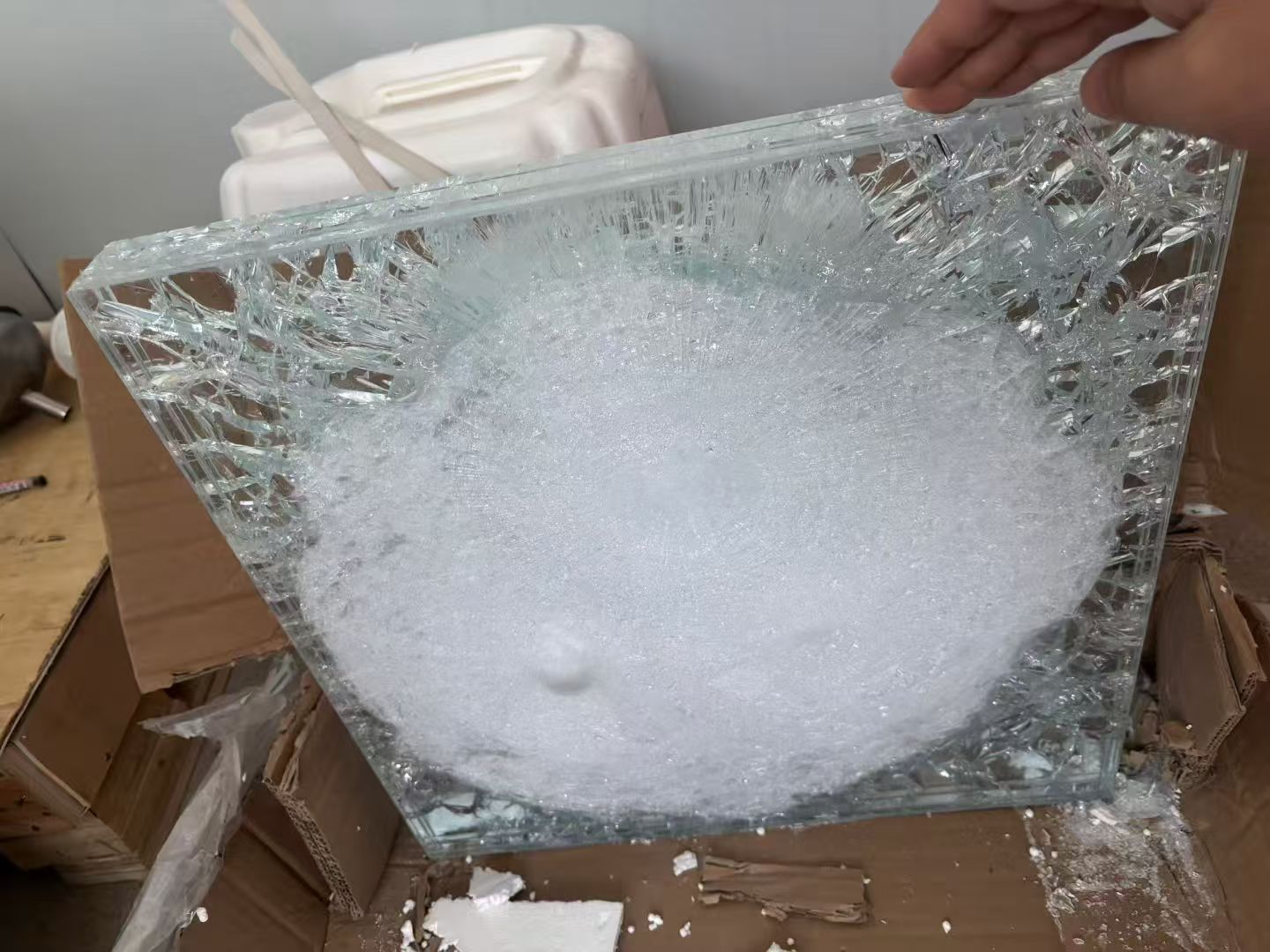
Next step: validate a low-Tg grade against your coldest service temperature
Send the lowest in-service temperature at the installation site, the glass build-up, the film thickness and width you require, and your target quantity. The technical team will match a Tg specification to the application and prepare a sample plan for pilot lamination so that cold performance is confirmed on the finished laminate before production begins.
SHENGDING HIGHTECH MATERIALS CO., LTD
North of Ayeshan Road 209, Rizhao City, Shandong Province, China
Email: docs@foundite.com | Tel / WhatsApp: +8613562376375
Website: www.shengdingchina.com | Blog: blog.shengdingchina.com
Have Questions or Need More Details?
Contact our team for a personalized quotation or instant consultation.
Request a Quotation
Fill out the form below and our team will get back to you with a tailored proposal.
WhatsApp Direct Chat
Prefer to chat in real-time? Message us on WhatsApp for instant assistance & quick answers.
- Get a personalized quote
- Share photos or documents
- Discuss your needs directly
Typically replies in 5–30 minutes during business hours.