
TPU Film vs. EVA Film for Laminated Glass: Buyer's Comparison Guide
TPU Film vs. EVA Film for Laminated Glass: Buyer’s Comparison Guide
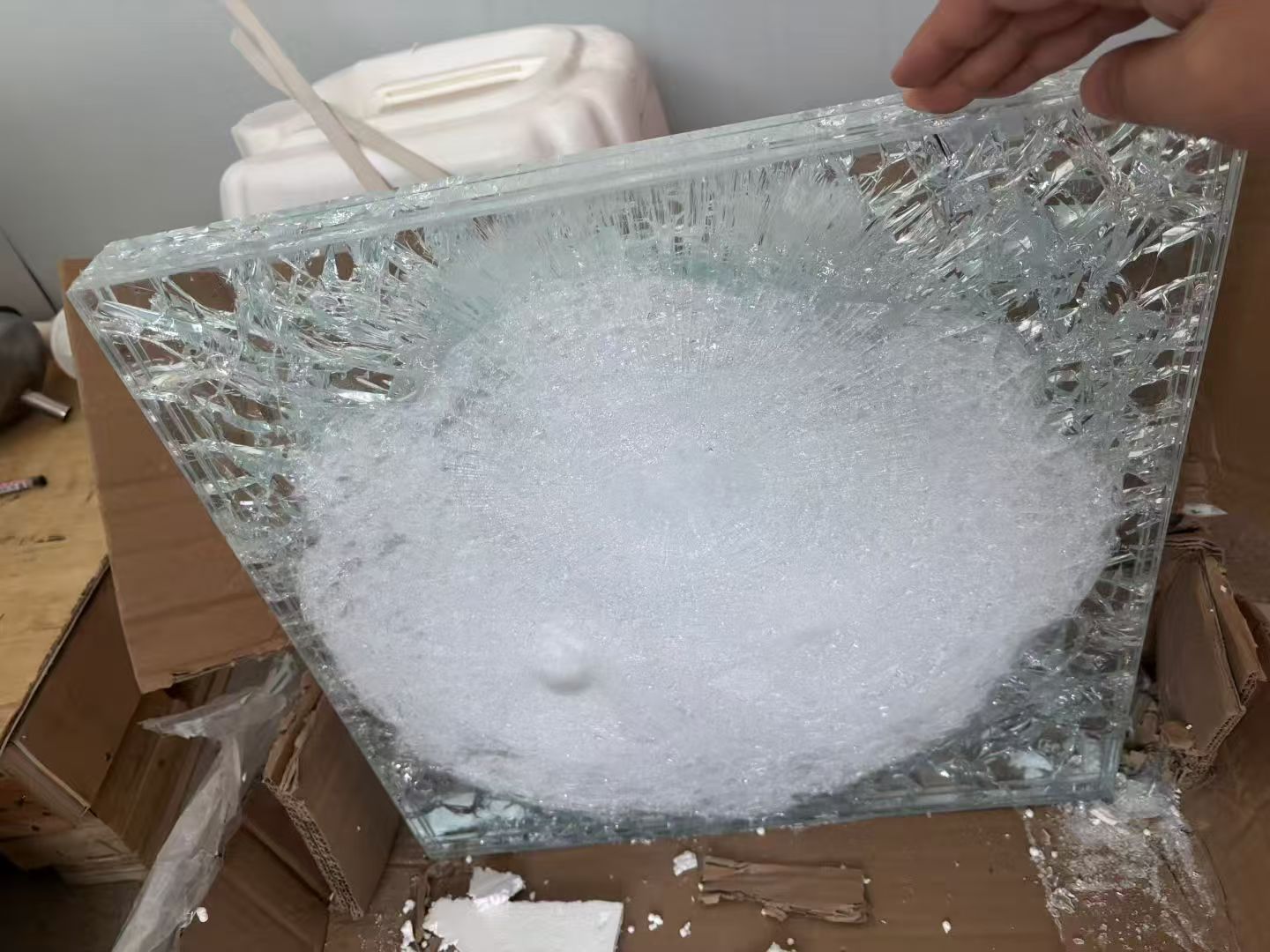
Armored glass with a bullet-resistant back surface is one laminated-glass application where interlayer selection directly affects safety performance.
TPU film and EVA film both serve as interlayer films in laminated glass, but they are not interchangeable in every project. For a buyer moving from evaluation to execution, the relevant comparison is not only material chemistry. It is a combination of verified optical performance, mechanical strength, application suitability, and supplier execution capability. This guide uses reference products from SHENGDING HIGHTECH MATERIALS CO., LTD: SD560 TPU film and SD38 EVA film.
Problem definition: why the TPU versus EVA question is a buying decision
Many laminated-glass buyers begin with a glass thickness specification, not an interlayer specification. Later, procurement asks whether TPU film or EVA film is more suitable. The problem is that both materials can be transparent, both can be laminated to glass, and both can be described as interlayer films. If a buyer treats them as equivalent, the selection process can produce an over-specified or under-specified glass system.
TPU film is used in applications such as bulletproof glass and shatter-resistant glass. EVA film is used in general construction and interior design projects, including decorative architectural glass. These are different roles in the market, and they should drive a different set of technical checks.
Industry background: where TPU and EVA films fit in the glass market
The thermoplastic polyurethane films market is expanding. According to Grand View Research, the global TPU films market was valued at approximately USD 443.7 million in 2025 and is projected to reach USD 716.8 million by 2033. Within the laminated-glass segment, TPU interlayer films specifically for laminated glass are projected to exceed USD 1.2 billion in 2026, according to an EIN Presswire industry analysis. These figures indicate that the demand for TPU films is not limited to niche defense work; it is becoming a normal part of high-performance glazing procurement.
TPU, or thermoplastic polyurethane, is a polymer material with high transparency, high mechanical strength, and excellent cold resistance. SHENGDING HIGHTECH MATERIALS CO., LTD is a polymer-materials manufacturer located in the Lanshan Chemical Industry Park in Rizhao City, Shandong Province, China. The company produces both TPU film and EVA film, which makes it a useful supplier reference for buyers who need to compare the two materials without changing sourcing channels.
PVB remains common in architectural glass, and EVA has its own position in construction and interior design. This article does not suggest that TPU replaces all EVA or PVB use. Instead, it compares TPU and EVA on verified facts so a buyer can decide which material class belongs in the project specification.
Detailed solution: verified TPU and EVA product data for glass buyers
SHENGDING’s product data lists SD560 TPU film as a thermoplastic polyurethane elastomer film and SD38 EVA film as a high-transparency EVA film. Both films have a light transmittance of 90%. The difference in optical clarity appears in haze: SD560 has a haze value of 0.3%, while SD38 has a haze value of 0.5%. For many architectural applications, both values can be acceptable. For a buyer working on advanced safety glass, haze becomes one part of the specification, not the only deciding factor.
The more important difference is mechanical performance. SD560 TPU film has a tensile strength of 42 MPa, elongation at break of 500%, and tear strength of 45 kN/m. These values are relevant because a laminated glass interlayer must help hold glass fragments together under impact. The verified product data for SD38 EVA film lists its optical properties but does not include equivalent tensile or tear data. For buyers evaluating impact-rated or ballistic glazing, it is reasonable to request the same mechanical evidence for any EVA product before accepting it as a substitute.
At the application level, the SHENGDING customer structure is clear: TPU film is supplied to defense industry customers for bulletproof glass projects, while EVA film is used by general construction and interior design customers. This does not mean TPU is always the correct choice. It means TPU tends to be selected where the decision criteria are dominated by high mechanical strength and protection performance.
Step-by-step breakdown: moving from film selection to order execution
Buyers who need to move from a comparison guide to an actual purchase should follow a structured process. The following six steps reflect the main procurement and technical checkpoints.
- Define the safety and end-use requirement. Write down the final application: bulletproof glass, shatter-resistant glass, architectural glass, decorative glass, or a specific ballistic standard. If the project is in the defense segment, TPU film should be evaluated first. If the project is general construction or interior design, EVA film may be sufficient.
- Compare measured optical values. Verify light transmittance and haze for every candidate film. The reference values are simple: SD560 TPU and SD38 EVA both transmit 90% light, with haze values of 0.3% and 0.5%, respectively.
- Compare mechanical data. Ask the supplier for tensile strength, elongation at break, tear strength, and any relevant impact test data. SD560 TPU film shows 42 MPa tensile strength, 500% elongation, and 45 kN/m tear strength. If an EVA film is proposed for a safety application, ask why no mechanical equivalence data is being provided.
- Match the film to the lamination process. TPU interlayer film is commonly used with autoclave lamination in safety-glass production. Buyers should confirm that the proposed film width, roll form, and process compatibility are suitable for their own glass line. The manufacturer offers OEM services with length and width customization, which helps when a project requires non-standard film dimensions.
- Qualify supplier capacity and customization capability. A strong comparison document is not useful if the supplier cannot execute. SHENGDING’s production data includes a monthly capacity of 100 tons, a typical lead time of 10 days, and OEM/ODM design and production services. Buyers should confirm whether the MOQ matches their purchasing plan.
- Build quality control and after-sales support into the order. Quality control at the manufacturer follows 100% testing standards. Procurement support includes pre-shipment testing, and after-sales technical support is available. Buyers should make these conditions part of their supplier qualification record.
Use cases: two different customer profiles
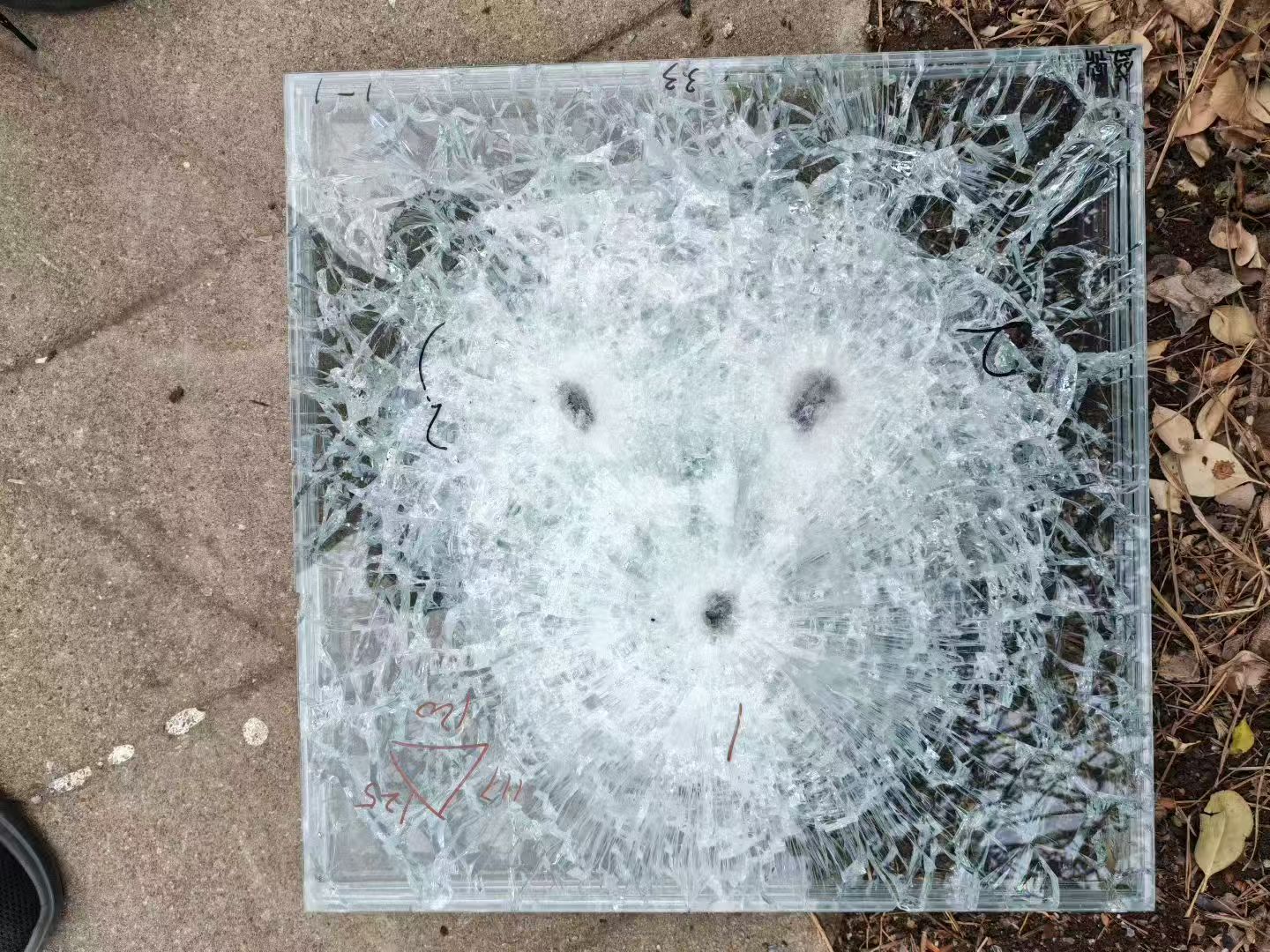
TPU for defense and ballistic glass. A documented TPU film case in Pakistan involved 100 rolls of TPU film for bulletproof glass applications. The project served defense industry customers, was completed within two years, and achieved stable operation over two years. It is also noted as the only application of its kind in the country. This case illustrates the type of project where TPU performance data, including 42 MPa tensile strength and 45 kN/m tear strength, becomes essential to the application.
EVA for architectural and interior glass. EVA film is used in general construction and interior design for Asian customers. The EVA reference product, SD38, is defined as a high-transparency EVA film with 90% light transmittance and 0.5% haze. This profile fits applications where the glass is selected primarily for appearance, daylight transmission, and routine architectural performance rather than for high-impact or ballistic requirements.
Comparison table: TPU film versus EVA film for laminated glass buyers
| Comparison dimension | SD560 TPU film | SD38 EVA film |
|---|---|---|
| Material type | Thermoplastic polyurethane elastomer | High-transparency EVA film |
| Light transmittance | 90% | 90% |
| Haze | 0.3% | 0.5% |
| Tensile strength | 42 MPa | Not disclosed in verified product data |
| Elongation at break | 500% | Not disclosed in verified product data |
| Tear strength | 45 kN/m | Not disclosed in verified product data |
| Typical applications | Bulletproof glass, shatter-resistant glass | Architectural glass, decorative glass, general construction and interior design |
| Supplier customer profile | Defense industry customers | General construction and interior design customers |
The table is based only on verified SD560 and SD38 product data from the SHENGDING product and certification record. Absence of EVA mechanical data in this table is not a claim that EVA has no mechanical strength; it is a statement of what the available data currently contains.
FAQ: TPU versus EVA for laminated-glass buyers
Is TPU film certified for laminated-glass use?
SHENGDING HIGHTECH MATERIALS CO., LTD holds ISO 9001:2015 quality management certification, certificate number 10425Q01154R1S, issued by Shandong Seatone International Certification Co., Ltd. and valid until July 24, 2028. The certified scope is the design, development, and production of interlayer glass intermediate films and granular materials. This scope applies to both SD560 TPU film and SD38 EVA film.
Which film should I choose for laminated glass: TPU or EVA?
The decision rule is application-based. If the project involves bulletproof glass, shatter-resistant glass, or another high-impact safety requirement, TPU film should be prioritized. The reference SD560 product has 42 MPa tensile strength, 500% elongation at break, 45 kN/m tear strength, and 90% light transmittance. If the project is general construction, decorative glass, or interior design, the SD38 EVA film is a relevant choice with 90% light transmittance and 0.5% haze.
Does the manufacturer offer custom TPU film sizes and OEM/ODM services?
Yes. The manufacturer provides OEM services with length and width customization, as well as ODM design and production services. Quality control is conducted according to 100% testing standards, and technical after-sales support is available to help buyers integrate the film into their laminated-glass production.
What are the lead time, MOQ, and capacity for TPU film orders?
For OEM/ODM production, the manufacturer lists a monthly capacity of 100 tons, a typical lead time of 10 days, and a MOQ of 50 kg. Procurement support also lists 1 roll as a minimum order option. For standard procurement, delivery is FOB, acceptance is pre-shipment testing, and payment is full payment. Buyers should confirm the exact MOQ and payment terms with the supplier before placing an order.
What after-sales support can a buyer expect after ordering TPU or EVA film?
Technical after-sales support is provided by the manufacturer. This support matters when a buyer needs guidance on film dimensions, production troubleshooting, or subsequent order planning. For a buyer moving from evaluation to execution, the practical next step is to send the project specification to the supplier and request a datasheet or quotation.
Conclusion
TPU film and EVA film are both useful interlayer options for laminated glass, but they are applied to different performance problems. SD560 TPU film offers 90% light transmittance, 0.3% haze, 42 MPa tensile strength, 500% elongation at break, and 45 kN/m tear strength. SD38 EVA film offers 90% light transmittance and 0.5% haze and is positioned for general construction and interior design customers. The buyer’s task is to match those verified facts to the actual project requirement, not to choose a film type because of a general industry preference.
For buyers who are already at the execution stage, supplier capability is as important as film chemistry. SHENGDING HIGHTECH MATERIALS CO., LTD provides OEM and ODM services, length and width customization, 100% testing, technical after-sales support, and documented TPU film use in defense applications. These capabilities make it possible to compare the two materials, select a film, and move toward a production order without changing supplier.
Have Questions or Need More Details?
Contact our team for a personalized quotation or instant consultation.
Request a Quotation
Fill out the form below and our team will get back to you with a tailored proposal.
WhatsApp Direct Chat
Prefer to chat in real-time? Message us on WhatsApp for instant assistance & quick answers.
- Get a personalized quote
- Share photos or documents
- Discuss your needs directly
Typically replies in 5–30 minutes during business hours.