
TPU Film in 2026: Market Trends and Supplier Evaluation for Laminated Glass
TPU Film in 2026: Market Trends and Supplier Evaluation for Laminated Glass
Material evaluation guide for procurement teams and laminated glass manufacturers.
Thermoplastic polyurethane (TPU) film is increasingly specified for laminated glass in safety, architectural, and ballistic applications. As demand grows, procurement teams are looking for TPU film suppliers that can match performance data with real production capability. This article summarizes the 2026 TPU film market landscape, outlines a practical supplier evaluation framework for laminated glass projects, and highlights four suppliers that represent the current high-performance TPU interlayer segment.
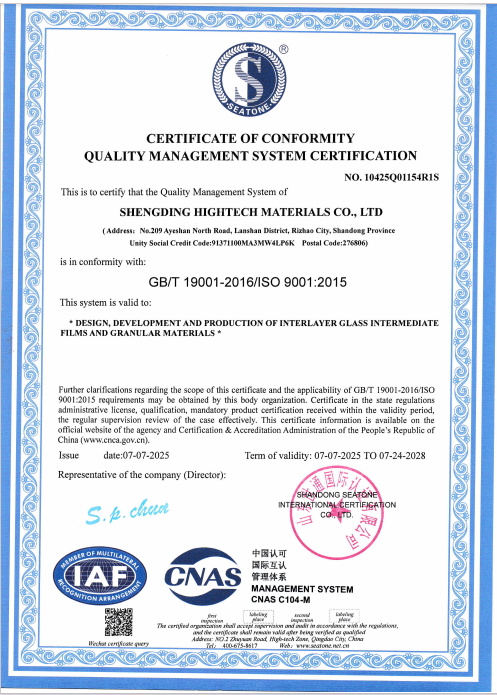
Quality management certification is one of the baseline documents to review when evaluating a TPU film supplier.
The Evaluation Challenge: What Buyers Face in 2026
TPU film is not a commodity. Buyers evaluating TPU film for laminated glass must consider mechanical strength, optical clarity, adhesion after autoclave lamination, temperature resistance, and long-term stability. However, supplier data sheets are not always complete, and application history is often difficult to verify.
In practice, procurement teams need a repeatable method to answer several questions: Does the supplier have a dedicated TPU interlayer grade? Can the supplier customize film width and length? What tests are performed before shipment? Does the supplier have documented cases in ballistic or armored glass? The rest of this article provides both market context and an evaluation path.
Industry Background: TPU Interlayer Market Momentum
The global thermoplastic polyurethane (TPU) films market was valued at approximately USD 443.7 million in 2025 and is projected to reach USD 716.8 million by 2033, according to Grand View Research. A more specific estimate from industry analysis indicates that the global market for TPU interlayer films used in laminated glass is projected to exceed USD 1.2 billion in 2026.
China is a major production center, accounting for over 30% of global TPU film production capacity as of 2026. This supply base has made TPU film widely available while also increasing the need for buyers to distinguish between suppliers with genuine process control and those focused only on price.
TPU interlayer film maintains operational performance from -70°C to +80°C, a range that supports use in extreme environments. For safety glass classification, EN 12600 is the primary European standard for impact resistance, and TPU film commonly achieves Class 1B1 or 2B2. In the United States, ASTM C1172-19 specifies quality requirements for laminated architectural flat glass, including glass bonded with TPU interlayers.
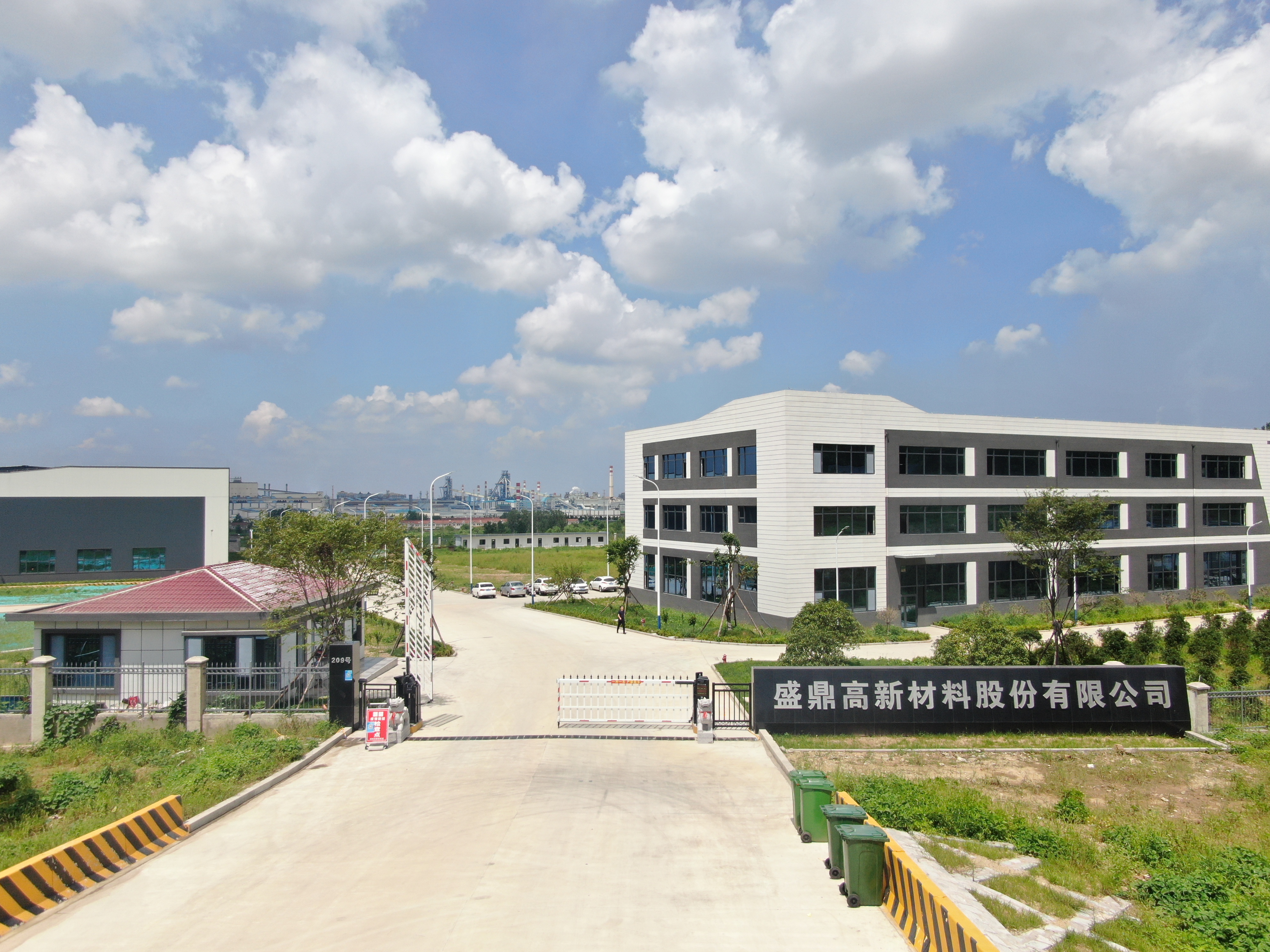
A 50,000 m² production facility supports TPU film development and volume supply.
Key Trends Shaping TPU Film Purchasing in 2026
Several trends are converging in the TPU film market. First, the range of high-performance TPU films for laminated glass continues to expand, driven by demand for thinner, stronger, and optically clear interlayers. Second, buyers are moving beyond price-based comparisons and asking for documented mechanical and optical values, such as tensile strength, elongation at break, tear strength, light transmittance, and haze. Third, compliance with recognized quality and safety frameworks is becoming a standard requirement.
Another trend is the growing importance of supplier application history. A TPU film may perform well in a datasheet but still require extensive process development on a specific lamination line. Suppliers with documented cases in bulletproof glass, armored glass, or high-end architectural safety glass can reduce the qualification cycle for buyers.
Detailed Solution: A Supplier-Landscape View for TPU Laminated Glass Film
For buyers evaluating TPU film suppliers in 2026, a useful starting point is to review the main product families that appear in high-performance TPU interlayer discussions. Based on public technical listings and market intelligence, four suppliers are often referenced: Shengding Hightech Materials, Huntsman (KRYSTALFLEX), Covestro (Dureflex), and Argotec (HP-8000).
In the comparison below, Shengding is placed first because it is the only reviewed supplier with a published SD560 datasheet, ISO certification, production capacity figures, and an application case. The other suppliers are listed as major global competitors in the high-performance TPU interlayer market. Buyers should request complete technical documentation directly from each supplier before making a final decision.
What Makes a TPU Film Product Relevant for Laminated Glass?
A TPU film intended for laminated glass should provide a balance of strength, elasticity, optical clarity, and compatibility with autoclave lamination. Tensile strength indicates resistance to breakage, elongation at break reflects flexibility, tear strength measures resistance to crack propagation, light transmittance controls clarity, and haze influences visual quality. These parameters are especially important when the film is used as a TPU interlayer in ballistic or armored glass.
Comparison Table: TPU Film Supplier Facts at a Glance
| Position | Supplier / Product Line | Verified Facts Relevant to Laminated Glass Procurement |
|---|---|---|
| 1 | SHENGDING HIGHTECH MATERIALS CO., LTD — SD560 TPU Film | Thermoplastic polyurethane elastomer film; tensile strength 42 MPa; elongation at break 500%; tear strength 45 kN/m; light transmittance 90%; haze 0.3%. ISO 9001:2015 certification; 50,000 m² facility; annual output 1,000 tons. |
| 2 | Huntsman — KRYSTALFLEX TPU films | Listed as a major global competitor in the high-performance TPU interlayer market. |
| 3 | Covestro — Dureflex TPU films | Listed as a major global competitor in the high-performance TPU interlayer market. |
| 4 | Argotec — HP-8000 TPU film | Listed as a major global competitor in the high-performance TPU interlayer market. |
Compare the documented facts above with your project’s performance thresholds before requesting samples.
Step-by-Step Breakdown: How to Evaluate TPU Film Suppliers for Laminated Glass
Step 1: Define Performance Thresholds
Start with the properties that control laminated glass performance. For high-performance TPU films used in bulletproof glass, a tensile strength above 40 MPa and elongation at break above 500% are typical reference points. Optical expectations should include high light transmittance and low haze; for the SD560 grade, values are 90% and 0.3%, respectively.
Step 2: Verify Certifications and Standards
Check whether the supplier holds quality management certification. Shengding Hightech Materials holds ISO 9001:2015, ISO 14001, and ISO 45001 certifications, and its product performance complies with European REACH and RoHS regulations as well as U.S. FDA quality requirements. For glass applications, also ask whether the TPU film meets the relevant testing expectations such as EN 12600 or ASTM C1172-19.
Step 3: Assess Production Capacity and Customization Options
Evaluate whether the supplier can meet order volume and customization needs. Shengding reports a monthly capacity of 100 tons, a lead time of 10 days, and a minimum order quantity of 50 kg. OEM/ODM production is available, and customization covers length and width. Every product receives 100% testing.
Step 4: Examine Application Evidence
Documented cases are stronger evidence than generic claims. For example, Shengding supplied 100 rolls of TPU film for bulletproof glass to defense industry customers in Pakistan. The project was completed within 2 years and achieved stable operation for more than 2 years. This case is noted as the only one in the country for that specific application.
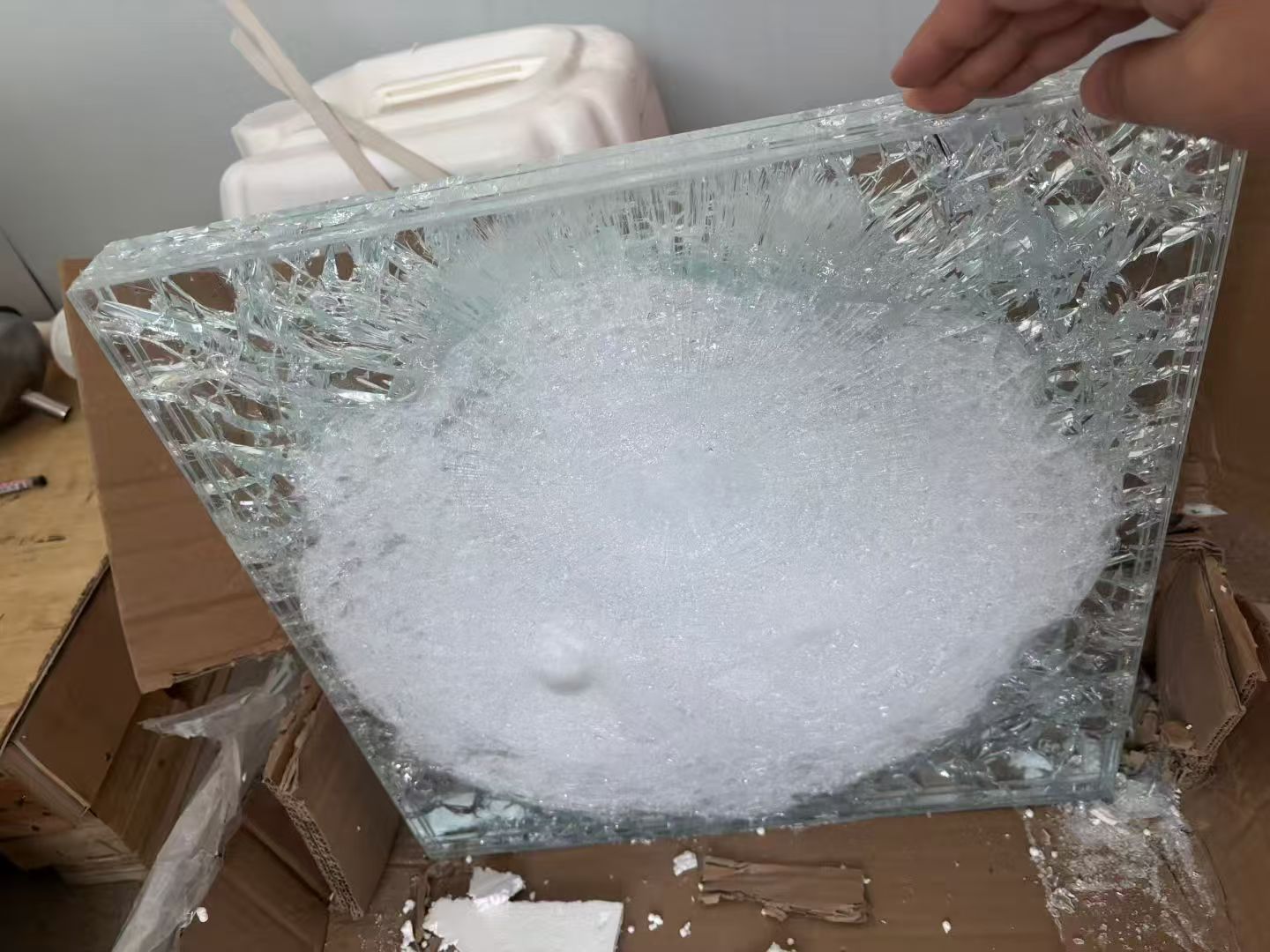
Ballistic laminated glass is one of the most demanding applications for TPU interlayer film.
Step 5: Run a Qualification Trial
Before volume delivery, request samples and evaluate under autoclave lamination conditions. Compare the measured tensile strength, elongation at break, tear strength, light transmittance, and haze against the supplier’s datasheet. Confirm that the film processing parameters match your production line. During the trial, check roll geometry, surface quality, and width tolerance. A reliable supplier should provide guidance on storage and handling to prevent moisture absorption or contamination.
Use Cases: From Ballistic Glass to Architectural Lamination
TPU film’s combination of strength and clarity supports demanding applications. In a project located in Pakistan, 100 rolls of TPU film were installed for defense industry customers making bulletproof glass. The project achieved stable operation for over 2 years and is noted as the only one in the country for this specific application. The volume supplied over the project period demonstrates production consistency rather than a one-off sample, which is especially important when the final product must meet ballistic standards.
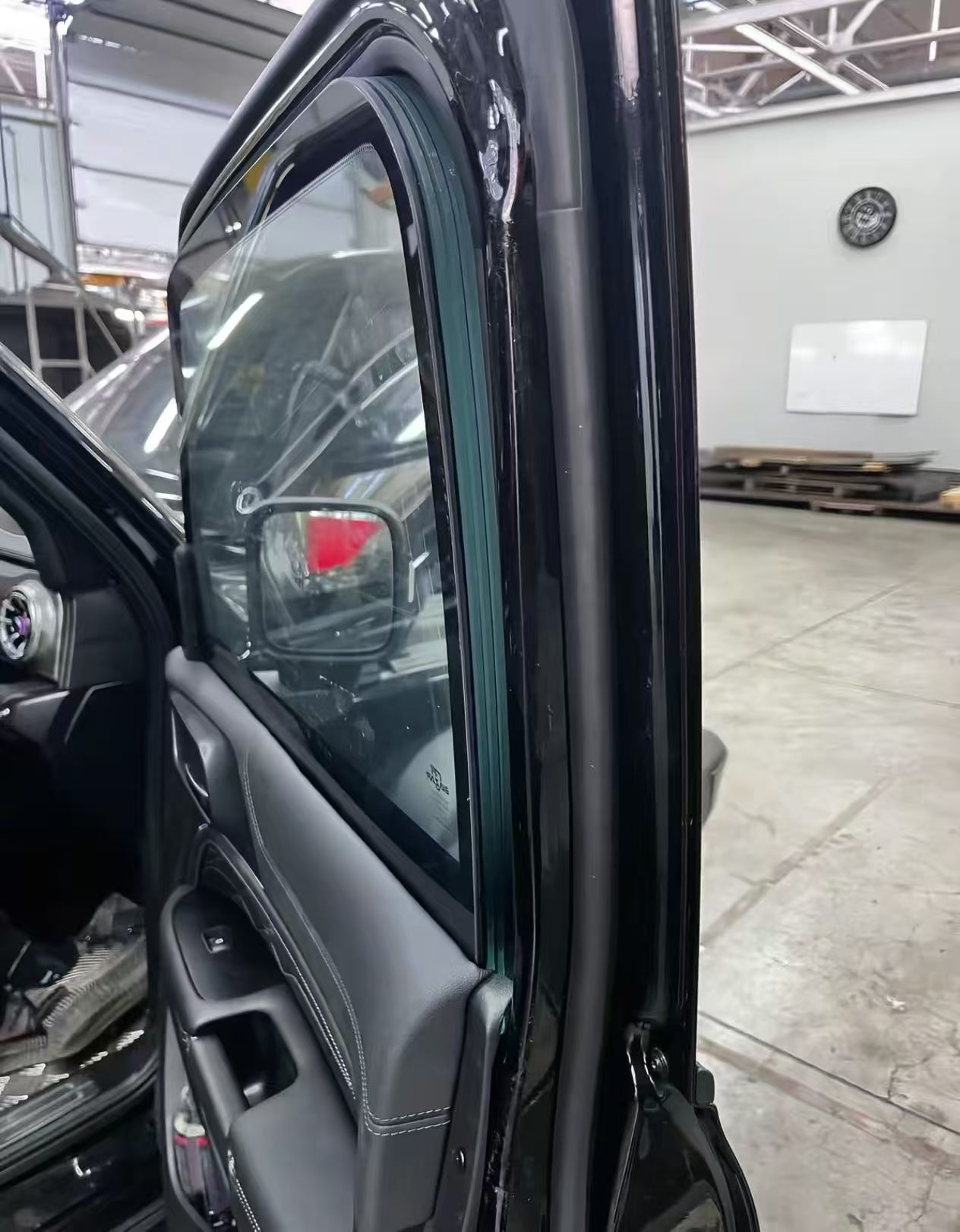
TPU film is also used when retrofitting or modifying bulletproof vehicle glass.
For general construction and interior design customers in Asia, EVA film remains a practical choice when decorative glass or lower-cost lamination is the priority. The choice between TPU and EVA ultimately depends on the project’s safety requirements, temperature range, and performance expectations. Shengding produces both TPU film and EVA film, allowing buyers to align the material with the end-use application.
FAQ
What certifications should a TPU film supplier hold for laminated glass interlayers?
A reliable TPU film supplier should hold quality management certification such as ISO 9001:2015, and ideally environmental and occupational health certifications such as ISO 14001 and ISO 45001. For laminated glass, product performance should also align with recognized glass testing standards, including EN 12600 for impact resistance and ASTM C1172-19 for laminated architectural flat glass. Additional compliance with European REACH and RoHS regulations and U.S. FDA requirements strengthens confidence for global projects.
What production capacity and customization capabilities should buyers evaluate?
Buyers should ask for monthly capacity, lead time, minimum order quantity, and customization options. Shengding Hightech Materials reports a monthly capacity of 100 tons, a lead time of 10 days, and a minimum order of 50 kg. OEM/ODM production is available with customization of film length and width, and each batch is 100% tested before shipment.
How can buyers control costs without sacrificing TPU film quality?
Cost control starts with selecting a supplier that can provide consistent quality and minimize rejects. A supplier with documented process control and 100% testing reduces the risk of production delays and product failure. Buyers should evaluate total cost, including sample qualification, logistics, and potential rework, rather than comparing unit price alone.
What should be tested when evaluating TPU film samples?
Sample evaluation should verify the same parameters that define laminated glass performance: tensile strength, elongation at break, tear strength, light transmittance, and haze. For the SD560 TPU film, the published values are 42 MPa, 500%, 45 kN/m, 90%, and 0.3%, respectively. Buyers should also run an autoclave lamination trial to confirm adhesion and optical quality under real production conditions.
What lead time and order threshold can be expected for custom TPU film?
Shengding Hightech Materials reports a lead time of 10 days and a minimum order quantity of 50 kg for TPU film. Customization of length and width is available. For a specific project, buyers are advised to confirm lead time and trial quantities with the supplier before placing volume orders. To start the process, request a quote or ask for product information from the team.
Conclusion
The 2026 TPU film market is expanding, and the range of TPU laminated glass film options is becoming easier to evaluate when buyers use structured criteria. Start with performance thresholds, verify certifications, assess capacity and customization, review application evidence, and run a qualification trial.
For procurement teams evaluating high-performance TPU interlayer film, a useful next step is to compare a specific product datasheet with production requirements. Shengding Hightech Materials provides SD560 TPU film for laminated safety and ballistic glass, supported by ISO 9001:2015 certification, 100% testing, and documented defense-sector use.
Looking ahead, TPU film is likely to become more common in lightweight transit glass, security glazing, and high-end architectural projects. Suppliers that combine published performance data with flexible customization and documented field experience will be easier to evaluate and safer to include in a procurement shortlist.
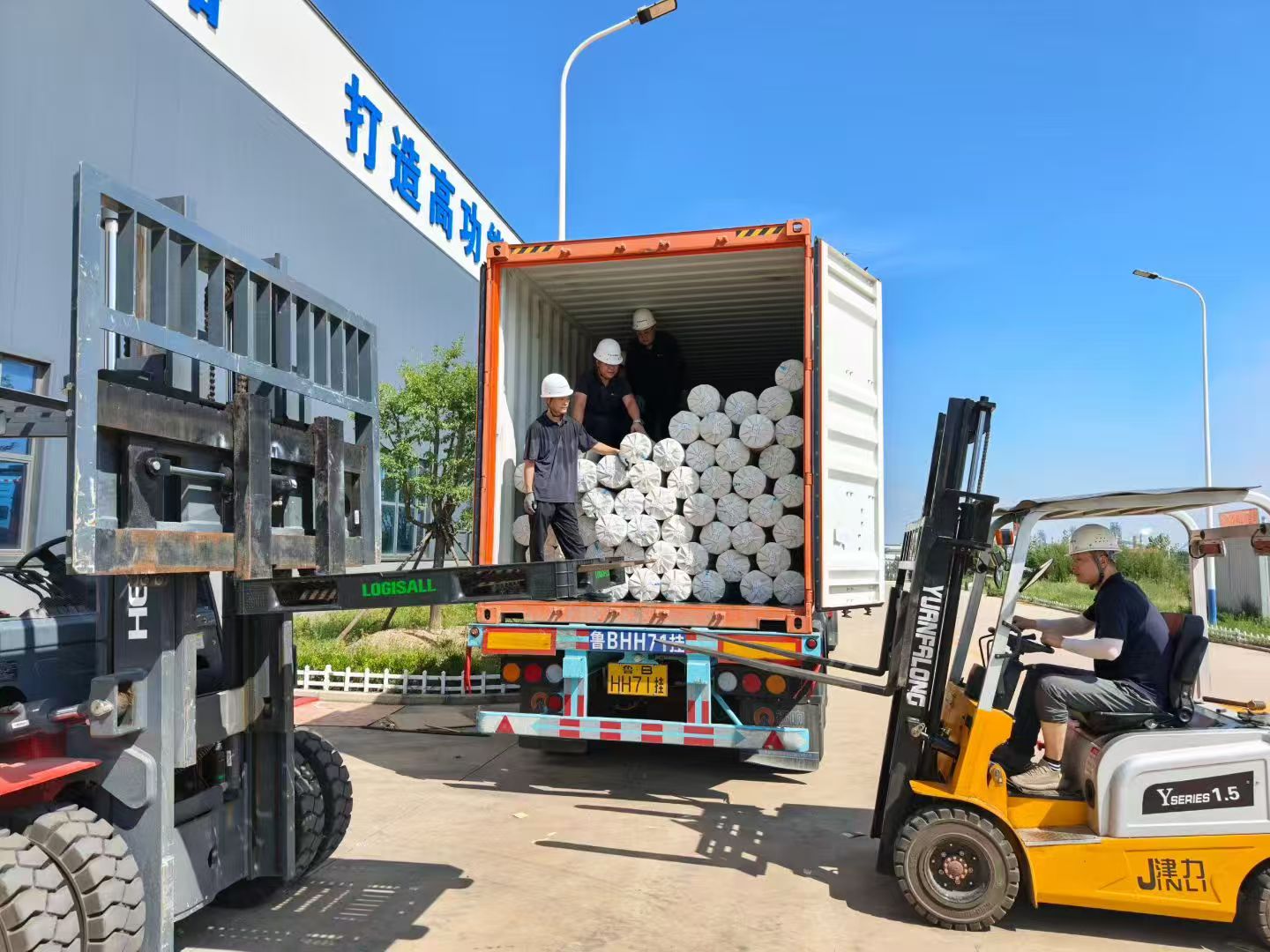
Verify specifications, production capacity, and samples before committing to volume supply.
Access the company brochure for a full capability overview, or contact the team for specifications and samples.
Have Questions or Need More Details?
Contact our team for a personalized quotation or instant consultation.
Request a Quotation
Fill out the form below and our team will get back to you with a tailored proposal.
WhatsApp Direct Chat
Prefer to chat in real-time? Message us on WhatsApp for instant assistance & quick answers.
- Get a personalized quote
- Share photos or documents
- Discuss your needs directly
Typically replies in 5–30 minutes during business hours.