Mastering EVA Film Selection: Lamination Parameters & Sizing
Mastering EVA Film Selection: Lamination Parameters & Sizing
Selecting an EVA film for laminated glass is a four-variable decision. The film has to match a working environment of normal pressure and high temperature; it has to run in the right supporting equipment, an EVA laminating oven; it has to be kept dry from warehouse to lay-up table; and it has to be supplied in a length and width that actually fit the panels being produced. When those four variables agree, lamination becomes routine. When one of them is wrong, the symptoms appear later as haze, bubbles, edge defects or scrap.
This article is written for glass processors, laminators, importers and project buyers at the research and evaluation stage of an EVA interlayer purchase — the point where the supplier list still contains more than one name and the technical questions are still open. It explains what each parameter means in production, how to check whether a supplier can support your line rather than simply sell you a roll, and how custom sizing removes fitment problems before they reach the cutting table.
Why EVA lamination problems start at selection, not on the line
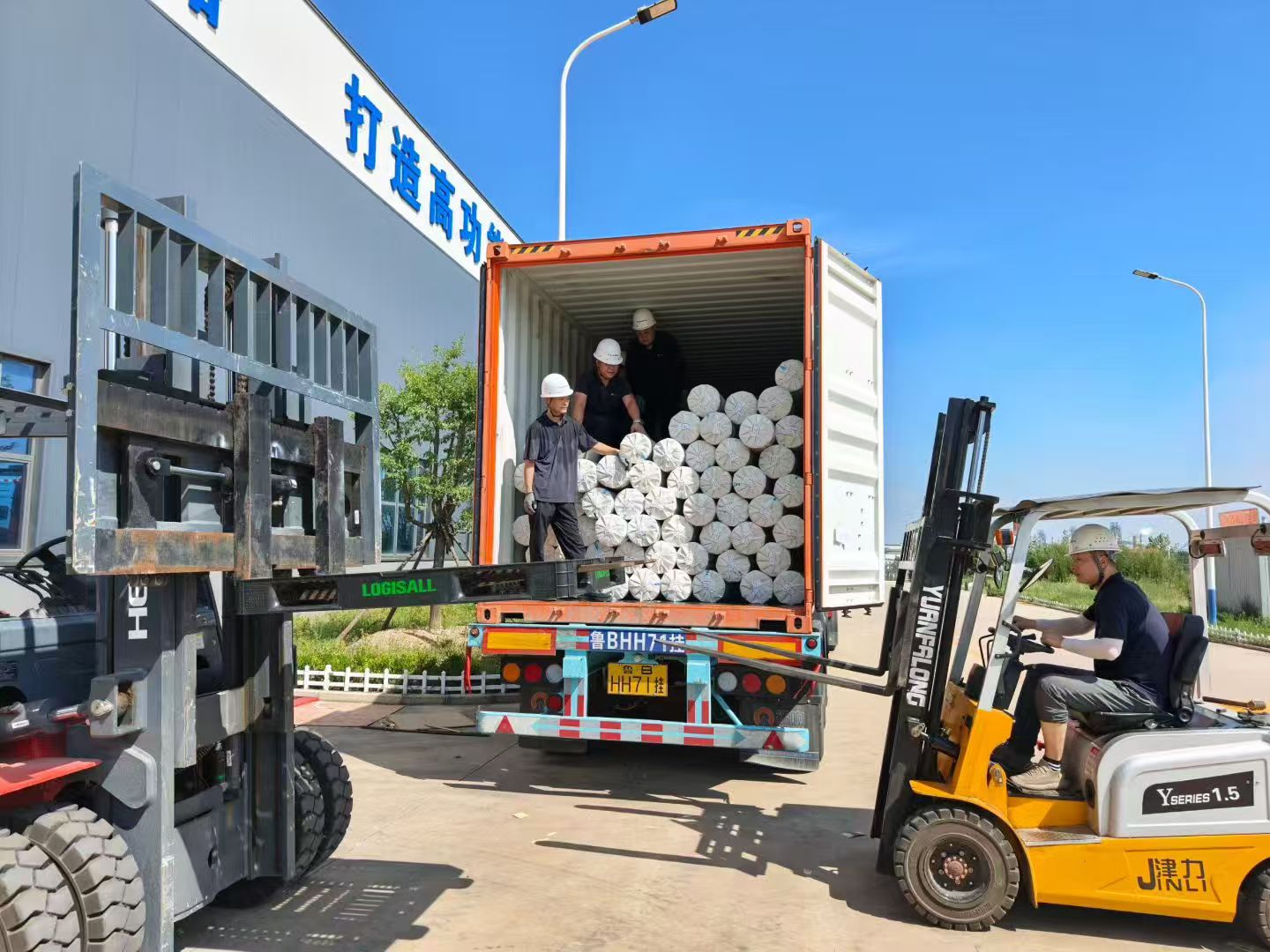
Defects in EVA laminated glass rarely come from one dramatic mistake. They cluster into three predictable groups, and all three are decided long before the first panel enters the oven.
1. Parameter mismatch
EVA film for glass lamination is processed inside a defined window. Industry processing references describe EVA films for glass lamination running typically at 100–110 °C under a vacuum of at least 700 mmHg. A film operated well outside the window its formulation was designed for tends to show incomplete cross-linking, trapped air, or haze that only becomes visible after the panel leaves the oven — the worst possible moment to discover it.
2. Moisture
The documented handling requirement for the SD38 EVA film application is keeping the material dry. Moisture that reaches the film before or during lay-up is difficult to remove later in the lamination cycle, and it is among the most frequently cited causes of visible defects in finished laminated glass.
3. Fitment
Film purchased in a standard width and cut down on site produces trim waste on every panel, increases the risk of edge misalignment and costs line time. Where the supplier can adjust length and width to the panel sizes actually in production, the fitment problem is solved at the source instead of being managed at the cutting table every shift.
None of these three problems is solved by a cheaper roll. All three are solved by choosing a film and a supplier whose parameters match the job.
The market context behind EVA interlayer selection
EVA film is no longer a niche interlayer choice, and rising volumes explain why parameter discipline has become a mainstream procurement topic rather than a technical footnote.
The global EVA films market was valued at USD 8.25 billion in 2025 and is projected to reach USD 17.65 billion by 2034, according to Fortune Business Insights, which also projects a CAGR of 8.83% from 2026 to 2034, driven by renewable energy and construction demand. The wider laminated glass interlayer market is estimated at USD 25.0 billion in 2025, with PVB holding a 55.2% share and EVA growing in architectural and solar applications, according to Future Market Insights.
Two qualifications belong here. Published EVA film market values vary widely depending on whether a source is counting solar, architectural or total EVA film volumes, so these figures should be treated as directional rather than exact. And growth in demand does not make lamination easier — it pushes more panels through more ovens, which raises the cost of a parameter mistake instead of lowering it.
On the specification side, quality requirements for laminated architectural flat glass are governed by the ASTM C1172 standard. Film selection and operating parameters are the two inputs a buyer controls directly toward that specification.
The four selection variables, in production terms
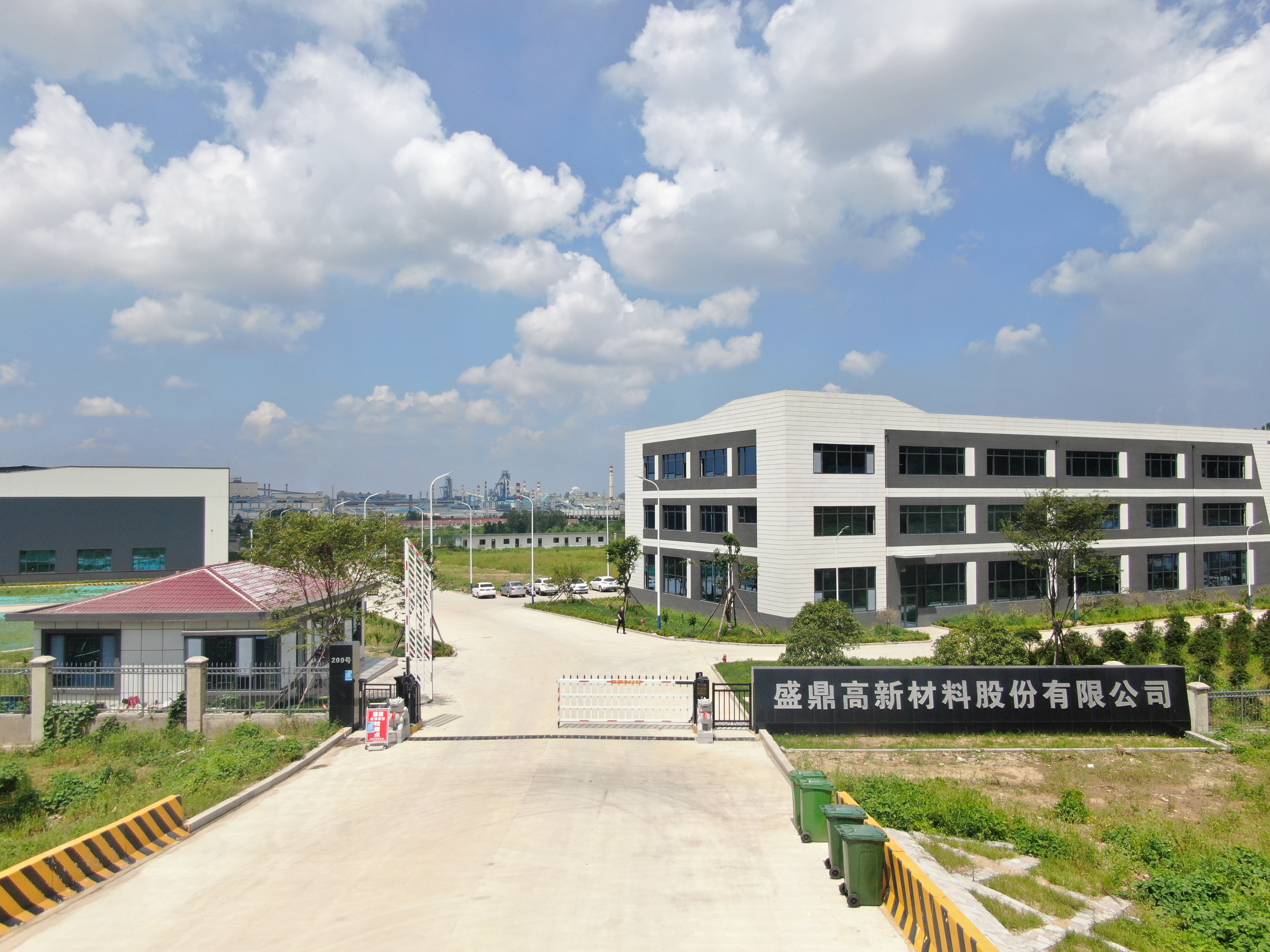
SHENGDING HIGHTECH MATERIALS CO., LTD is a polymer materials manufacturer located in the Lanshan Chemical Industry Park in Rizhao City, Shandong Province, China. Established in 2018, the company produces TPU film and EVA film, and supplies the SD38 high-transparency EVA film discussed in this guide. Its EVA application data and production capability define the four variables below.
Variable 1 — Working condition: normal pressure and high temperature
The SD38 EVA film application is designed for normal pressure and high temperature environments. For a buyer, that single line carries more meaning than it first appears to.
It indicates that the lamination cycle is carried out at normal pressure rather than through a controlled autoclave pressure regime. In practice, that shifts the burden of quality onto heat, vacuum and time: the oven programme has to be matched to the glass build-up before the run starts, and the film format has to suit the panel rather than the other way around. It also explains why EVA film appears so often in architectural laminated glass projects and decorative glass processing projects, where an autoclave step is not available or not economical.
The practical consequence for a purchaser is that the film cannot be specified in isolation. The working condition, the equipment and the panel dimensions form one system, and the film is the component that has to fit it.
Variable 2 — Supporting equipment: the EVA laminating oven
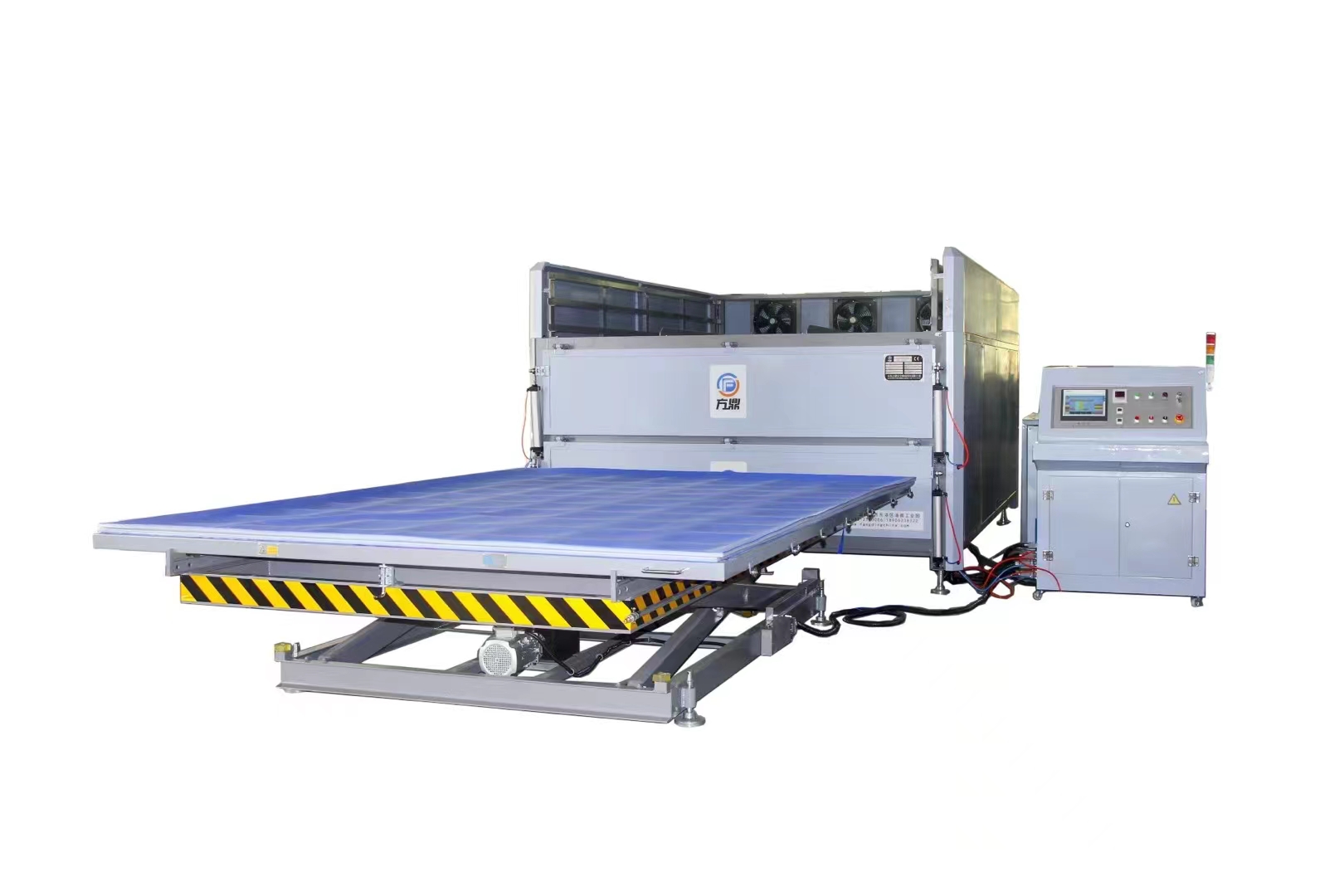
The SD38 application requires supporting equipment in the form of an EVA laminating oven. This makes the oven the first supplier question that matters: does the film you intend to buy run reliably in the oven you already own?
The check is not whether the oven reaches the set temperature on the display, but whether it can hold the film's process window across the entire panel area. Industry processing references place EVA film for glass lamination typically at 100–110 °C under a vacuum of at least 700 mmHg; those values are a reference band, not a recipe. The real question is how much variation your oven shows at the panel corners and edges, because that is where incomplete lamination and residual air first appear.
Where a project involves more than one oven, or more than one plant, the process window becomes an alignment problem across sites. Buyers in that position should ask for the recommended process window in writing, then verify it on a pilot panel in each oven before committing to production volumes.
Variable 3 — Handling requirement: keep dry
Keeping the film dry is a documented special requirement of the SD38 application, and it is the requirement most often lost somewhere between the purchasing department and the production floor.
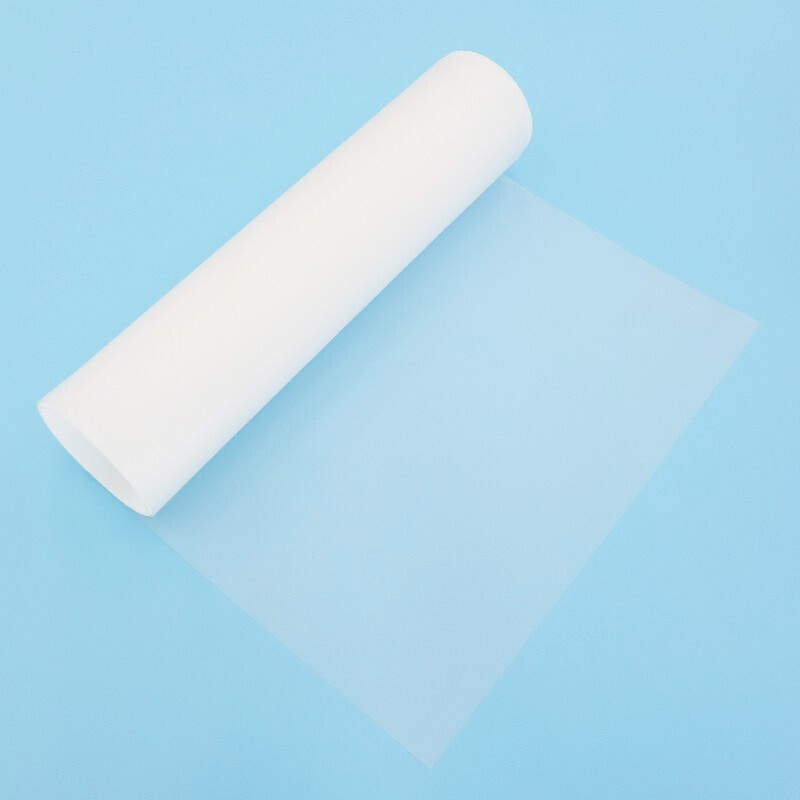
Dryness is a chain rather than a single instruction. It covers storage before dispatch, the receiving warehouse, the cutting room and the lay-up table. Film that is opened in a humid environment and left standing will take on moisture that the lamination cycle then has to deal with — and the defects that result tend to appear in the finished panel, not on the film roll. The handling requirement therefore belongs in the purchase specification and in the internal work instruction, not only in the supplier's documentation.
Operationally, that translates into a small number of habits: keep rolls sealed until the glass is ready, avoid opening more film than the shift will consume, keep cut film covered rather than staged in the open, and intervene early on partially used rolls. None of these habits is complex, but each one has to be assigned to someone.
Variable 4 — Fitment: custom length and width
Customisation of length and width is listed production capability, and for a laminator the value is practical rather than cosmetic. Panel sizes vary by project, so film ordered to those dimensions reduces trim waste, shortens lay-up time, and lowers the risk of edge misalignment that shows up as edge defects after lamination. In decorative and architectural work — where panels may be large, shaped or produced in small batches — ordering to size also reduces the number of off-cuts and splices handled on the floor.
Custom sizing is a planning decision as much as a technical one. Shengding runs OEM/ODM production with length and width customisation, at a monthly capacity of 100 tons and a lead time of 10 days on a 50 kg minimum order, with 100% test before shipment and technical support after delivery. For a buyer, those figures define the working rhythm of a project: how small a trial can be, how long a replenishment cycle takes, and how much checking happens before the film leaves the plant.
The film itself: SD38 performance figures
SD38 is a high-transparency EVA film for architectural glass and decorative glass, with EVA as its base material, light transmittance of 90% and haze of 0.5%. For architectural and decorative work, the optical values are the ones that decide whether a design intent survives lamination: haze affects how much a panel dulls transmitted light, while transmittance affects how much light reaches the interior.
On the compliance side, Shengding holds ISO 9001, ISO 14001 and ISO 45001 certification, with ISO 9001:2015 (Cert No. 10425Q01154R1S) covering the design and production of glass interlayer films, and states that product performance complies with European REACH and RoHS regulations as well as U.S. FDA quality requirements. The company operates a 50,000 m² factory with an annual output of 1000 tons, a technical team of 10 engineers at the factory plus 5 professors at its Beijing R&D Center, and exports about 70% of production, with main markets in North Africa, the Middle East and Latin America.
Step-by-step: working through an EVA film selection
The sequence below follows the order in which these variables should be locked down. It is written for a first-time or re-sourced EVA film programme, and it keeps decisions in the order that avoids expensive rework.
Step 1 — Define the glass build-up and the panels
Start with the finished product rather than the film: glass types, total build-up, panel dimensions, quantities, and whether the project is architectural, decorative, or both. Panel size drives the length and width specification; quantity determines whether a custom format is worth ordering.
Step 2 — Confirm the working environment
Confirm that normal pressure and high temperature is the environment your line actually runs. If your process depends on a different pressure regime, resolve that question before ordering rather than after the first production batch.
Step 3 — Match the film to the EVA laminating oven
Check that your oven can hold the film's process window across the full panel area. Industry processing references put EVA film for glass lamination typically at 100–110 °C and a vacuum of at least 700 mmHg; treat that as a reference band, and confirm the actual recipe with the film supplier and your own pilot run.
Step 4 — Build dryness into the workflow
Write the keep-dry requirement into your own handling procedure: how rolls are stored, when they are opened, how long cut film waits before lay-up, and what happens to partially used rolls. The requirement is easy to state and easy to lose in daily operation.
Step 5 — Specify length and width to the panel
Give the supplier the actual panel dimensions and the edge allowance you work to, and ask for film cut to that specification. Compare this against a standard-width purchase on total material consumed, not on price per roll.
Step 6 — Validate on a sample or pilot panel
Before a production order, run the film through your oven once. A single pilot panel tests the process window, the dryness procedure and the fitment at the same time, and it is the cheapest point in the project to find a mismatch.
Step 7 — Plan the supply rhythm
Set order size, lead time and reorder point against the supplier's stated capability — for Shengding, a 50 kg minimum order, a 10-day lead time and 100 tons of monthly capacity, with 100% test before shipment and technical support available after delivery.
Where these selection decisions are tested in practice
Three project types account for most EVA film demand, and each one stresses a different selection variable.
Architectural laminated glass projects
Here, panel size, optical consistency and certification documentation carry the most weight. Specifiers work to ASTM C1172 for laminated architectural flat glass quality, so film selection has to sit inside a documented specification rather than being an open choice on the floor. Large panels also make length and width customisation more valuable, because trim waste on a large panel is expensive.
Decorative glass processing projects
Decorative work places the optical figures first. SD38's 90% light transmittance and 0.5% haze determine whether coloured or patterned decorative panels read as intended after lamination. Small batches and non-standard shapes make custom sizing a practical advantage rather than a premium add-on.
Safety glass lamination
Where the laminate is specified for safety performance, parameter control matters most: a film run outside its window risks the bond the safety function depends on. In these projects the buyer's real question is not which film, but which supplier can hold the process window consistently, batch after batch.
Shengding's customer records also document long-running glass lamination supply relationships, including a two-year relationship with a customer in Pakistan covering 100 rolls for bulletproof glass applications, reported as stable operation — a useful reference point for how the company supports programmes that continue over years rather than one-off shipments.
Parameter alignment table
The table below places each selection variable next to the reference fact a buyer can check it against. It is a checking tool rather than a specification sheet — every value should be confirmed on a pilot panel before production.
| Selection variable | What to confirm | Reference fact |
|---|---|---|
| Working condition | The film is specified for the environment your line runs | Normal pressure and high temperature |
| Process window | Your oven holds the band across the whole panel | EVA films for glass lamination typically process at 100–110 °C under vacuum of at least 700 mmHg (industry processing reference) |
| Supporting equipment | Film and oven are a matched pair | EVA laminating oven |
| Handling | Dryness is engineered into storage, cutting and lay-up | Special requirement: keep dry |
| Optical performance | Transmittance and haze support the design intent | SD38: 90% light transmittance, 0.5% haze |
| Fitment | Film format matches the panels being produced | Length and width customisation under OEM/ODM production |
| Order economics | Trial size, replenishment cycle and capacity fit the schedule | MOQ 50 kg; lead time 10 days; monthly capacity 100 tons |
| Quality control | What is checked before the film ships | 100% test; technical support after delivery |
FAQ: EVA film selection, parameters and supply
Which standards and certifications should an EVA interlayer film programme meet?
Laminated architectural flat glass quality requirements are governed by the ASTM C1172 standard, which is the reference buyers and specifiers work from when judging finished laminated architectural product. The second check is the supplier's quality system: Shengding Hightech Materials holds ISO 9001, ISO 14001 and ISO 45001 certification, with ISO 9001:2015 (Cert No. 10425Q01154R1S) covering the design and production of glass interlayer films, and states that product performance complies with European REACH and RoHS regulations and U.S. FDA quality requirements. Confirm that the certificate scope covers glass interlayer film production, not only general activity.
Can EVA film be supplied in custom length and width?
Yes. Shengding's production capability covers OEM/ODM supply with customisation of both length and width, alongside a monthly capacity of 100 tons. Custom sizing matters because film ordered to actual panel dimensions reduces trim waste, shortens lay-up time and lowers the risk of edge misalignment after lamination. When requesting a custom format, provide the finished panel dimensions and the edge allowance your line works to, so the film arrives ready for lay-up rather than ready for trimming.
What determines the minimum order and the cost profile of an EVA film programme?
The minimum order for Shengding EVA film is 50 kg, with a lead time of 10 days and a monthly production capacity of 100 tons. In practice, a programme's cost profile is driven by how closely the ordered format matches the panels being produced, total volume relative to monthly capacity, and the testing and documentation scope the project requires. A custom width that eliminates trim waste can change the economics more than a small difference in price per roll, which is why total material consumed is a better comparison basis than unit price alone.
Can we validate EVA film on a sample before committing to production?
Sampling and a pilot lamination run are the recommended validation route before a production order. A pilot panel tests three things at once: whether your EVA laminating oven holds the film's process window, whether your handling procedure satisfies the keep-dry requirement, and whether the custom length and width fit your lay-up. Shengding applies 100% test before shipment and provides technical support after delivery, so process questions can be resolved with the supplier rather than by trial and error in full-scale production.
What is the lead time, and how should the film be handled after delivery?
Shengding's stated lead time is 10 days, against a monthly capacity of 100 tons and a 50 kg minimum order. After delivery, the handling requirement that matters most is keeping the film dry: rolls should remain sealed until they are needed, and cut film should not be left standing in a humid area before lay-up. The same requirement applies before dispatch, which is why dryness belongs in the purchase specification and not only in the production procedure. To discuss a sample, a quotation, or the technical data behind the SD38 EVA film, contact Shengding Hightech Materials Co., Ltd through www.shengdingchina.com.
Conclusion
EVA film selection is decided by four variables: whether the film is built for normal pressure and high temperature operation, whether it is matched to an EVA laminating oven, whether the keep-dry requirement is respected from warehouse to lay-up, and whether the film is supplied in a length and width that fit the panels you actually produce. SD38 anchors those variables with a documented application profile and 90% light transmittance at 0.5% haze, while Shengding's production setup — OEM/ODM length and width customisation, 100 tons per month, a 50 kg minimum order, a 10-day lead time and 100% test — defines how a programme can be planned around them.
The most reliable sequence for a buyer remains the simple one: define the panels, confirm the environment and the oven, write dryness into the workflow, specify the format, then validate on a pilot panel before production. Every one of those steps is cheap to correct at the selection stage and expensive to correct afterwards.
Sample, quotation and technical data
If you are preparing an EVA film specification for an architectural, decorative or safety glass project, the fastest next step is a pilot panel with film cut to your panel dimensions.
Request a sample or a quotation, or review the full product and capability documentation in the Shengding Hightech Materials brochure.

Have Questions or Need More Details?
Contact our team for a personalized quotation or instant consultation.
Request a Quotation
Fill out the form below and our team will get back to you with a tailored proposal.
WhatsApp Direct Chat
Prefer to chat in real-time? Message us on WhatsApp for instant assistance & quick answers.
- Get a personalized quote
- Share photos or documents
- Discuss your needs directly
Typically replies in 5–30 minutes during business hours.