How to Select EVA Film for Architectural Laminated Glass Projects
How to Select EVA Film for Architectural Laminated Glass Projects
EVA (ethylene-vinyl acetate) film is a common interlayer material for laminated glass used in architectural safety glass, decorative glass, and a growing range of construction applications. This article explains how to match EVA film to your specific project, covering process conditions, equipment requirements, storage, and supplier selection. SD38, a high-transparency EVA film from Shengding Hightech Materials Co., Ltd., is used as a practical reference throughout.

Why Project-Level Selection Matters for EVA Film
Laminated glass performance depends on more than the glass itself. The interlayer must bond correctly, remain optically clear, and withstand the lamination process. For EVA film, three factors often determine success: process conditions, moisture control, and equipment compatibility.
Without matching the film to the lamination method, a project may face bubbles, delamination, or reduced light transmission. EVA film is generally designed for normal pressure and high temperature environments. If the laminating oven does not provide the required vacuum level or temperature profile, the interlayer may not fuse evenly. The film must also be kept dry; absorbed moisture can cause adhesion failure during lamination.
Industry Background: EVA in Architectural Laminated Glass
EVA film is increasingly specified in architectural and decorative glass because it offers good optical clarity and can be processed with standard EVA laminating ovens. According to Fortune Business Insights, the global EVA films market was valued at USD 8.25 billion in 2025 and is projected to reach USD 17.65 billion by 2034. In the laminated glass market, PVB still holds the largest share, but EVA continues to grow in architectural and solar applications.
For project specifiers, this means EVA interlayers are a practical option for safety glazing and decorative glass. However, not all EVA films are identical. Optical performance, processing parameters, and production control should be evaluated before final selection.
What to Look for in an EVA Film for Your Project
One reference model is SD38, a high-transparency EVA film from Shengding Hightech Materials Co., Ltd. It has a light transmittance of 90% and haze of 0.5%. These specifications are important for architectural glazing where clarity and visual quality matter. Haze, in particular, affects how much light is scattered; 0.5% haze indicates minimal light diffusion, which helps maintain a clear view through the glass.
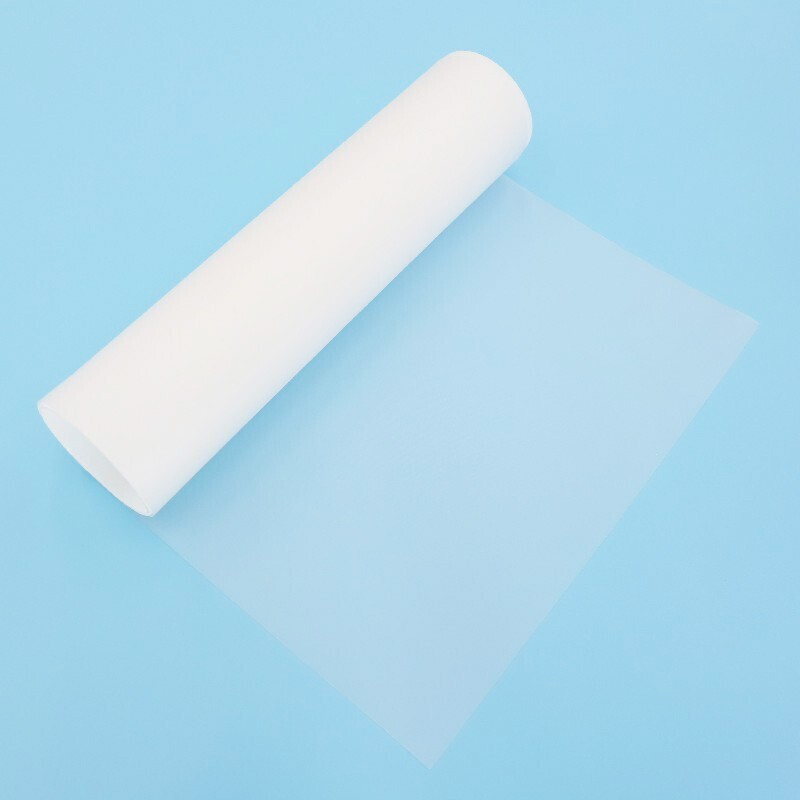
The film is designed for normal pressure and high temperature environments, and it requires supporting equipment such as an EVA laminating oven. The application has a special requirement: keep dry. This application scenario is common in China, where architectural and decorative glass processors often use EVA laminating ovens.
Product fact: SD38 EVA film is rated at 90% light transmittance and 0.5% haze, and is intended for architectural glass and decorative glass. It must be processed in an EVA laminating oven and stored dry.
Lamination Conditions and Equipment
EVA films for glass lamination typically process at 100–110°C under a vacuum of at least 700 mmHg. SD38 is designed for these normal pressure and high temperature environments, and an EVA laminating oven is the supporting equipment required.
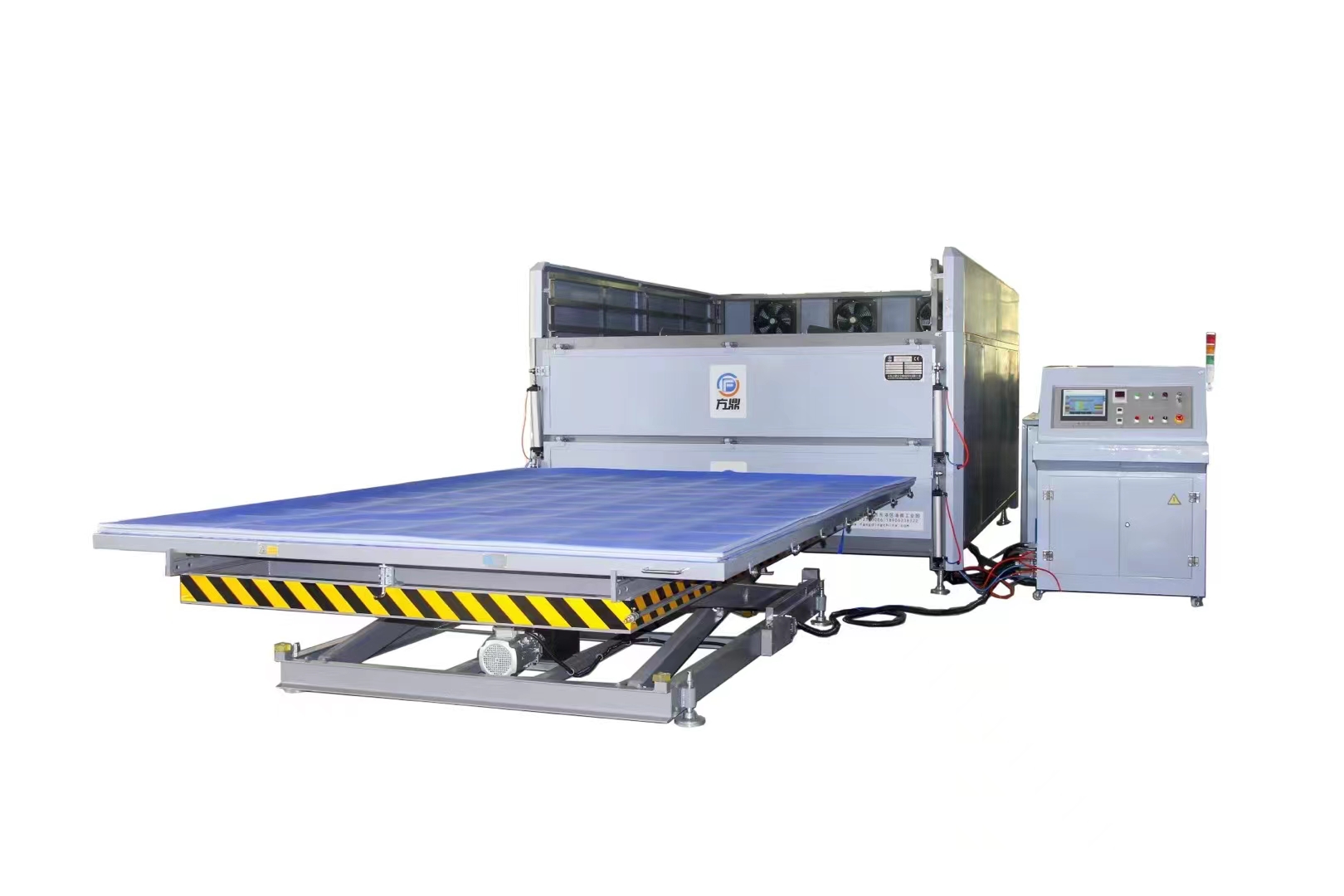
Before starting a project, verify that your oven can maintain the target temperature and vacuum. Also confirm that the film handling area is dry. Moisture control is not optional for EVA film; it directly affects adhesion quality.
Common Selection Mistakes in EVA Film Projects
- Choosing a film only by price without checking optical and process specifications.
- Assuming all EVA films can be processed in the same oven without calibrating vacuum and temperature.
- Ignoring moisture protection during storage, which can lead to adhesion failure.
- Overlooking customization needs such as width and length until after the order is placed.
- Not verifying supplier production capacity and lead time before committing to a project deadline.
Step-by-Step: Matching EVA Film to a Laminated Glass Project
- Define the project type. Identify whether your project is architectural laminated glass, decorative glass processing, or another application. This determines the optical and mechanical requirements.
- Check optical specifications. For clarity-critical projects, choose a film with high transmittance and low haze. SD38 provides 90% transmittance and 0.5% haze.
- Confirm process compatibility. EVA film generally laminates at 100–110°C under a vacuum of at least 700 mmHg. Confirm that your EVA laminating oven can deliver these conditions.
- Plan for moisture protection. EVA film must be kept dry before and during lamination. Store rolls in a dry area and avoid exposing them to humidity.
- Evaluate supplier quality control. Check whether the supplier uses 100% testing and holds relevant certifications. Shengding Hightech Materials holds ISO 9001, ISO 14001, and ISO 45001 certifications.
- Request customization. Confirm that length and width can be customized to your glass sizes and workflow. Shengding offers OEM/ODM service with a standard MOQ of 50 kg.
- Align delivery and capacity. For project planning, confirm monthly capacity and lead time. Shengding has a monthly EVA film capacity of 100 tons and a lead time of 10 days.
Use Cases: Architectural and Decorative Glass Projects
Architectural Laminated Glass
In architectural projects, EVA film is used to laminate safety glass for facades, balustrades, skylights, and interior structural glass. The glass must remain transparent while providing post-breakage retention. A high-transparency EVA film such as SD38 can support these requirements when processed correctly.
Decorative Glass Processing
For decorative glass, EVA film is often used with colored or patterned interlayers. Projects may include partitions, doors, and design elements where visual appearance matters. Consistent film thickness and surface quality are important in these applications.
Project Scenario Comparison
| Scenario | Key Requirements | Recommended Film | Special Considerations |
|---|---|---|---|
| Architectural laminated glass | Safety, high light transmittance, uniform bonding | SD38 (90% transmittance, 0.5% haze) | Use an EVA laminating oven; maintain vacuum of at least 700 mmHg; keep film dry |
| Decorative glass | Optical clarity, consistent appearance | SD38 | Store film correctly to prevent surface defects before lamination |
| Custom OEM projects | Specific dimensions, flexible batch size | SD38 with OEM/ODM customization | Minimum order quantity 50 kg; lead time 10 days; technical support available |
Supplier Capability Considerations
Project buyers should look beyond the product data sheet. A capable supplier should handle custom dimensions, maintain consistent quality, and support overseas projects.
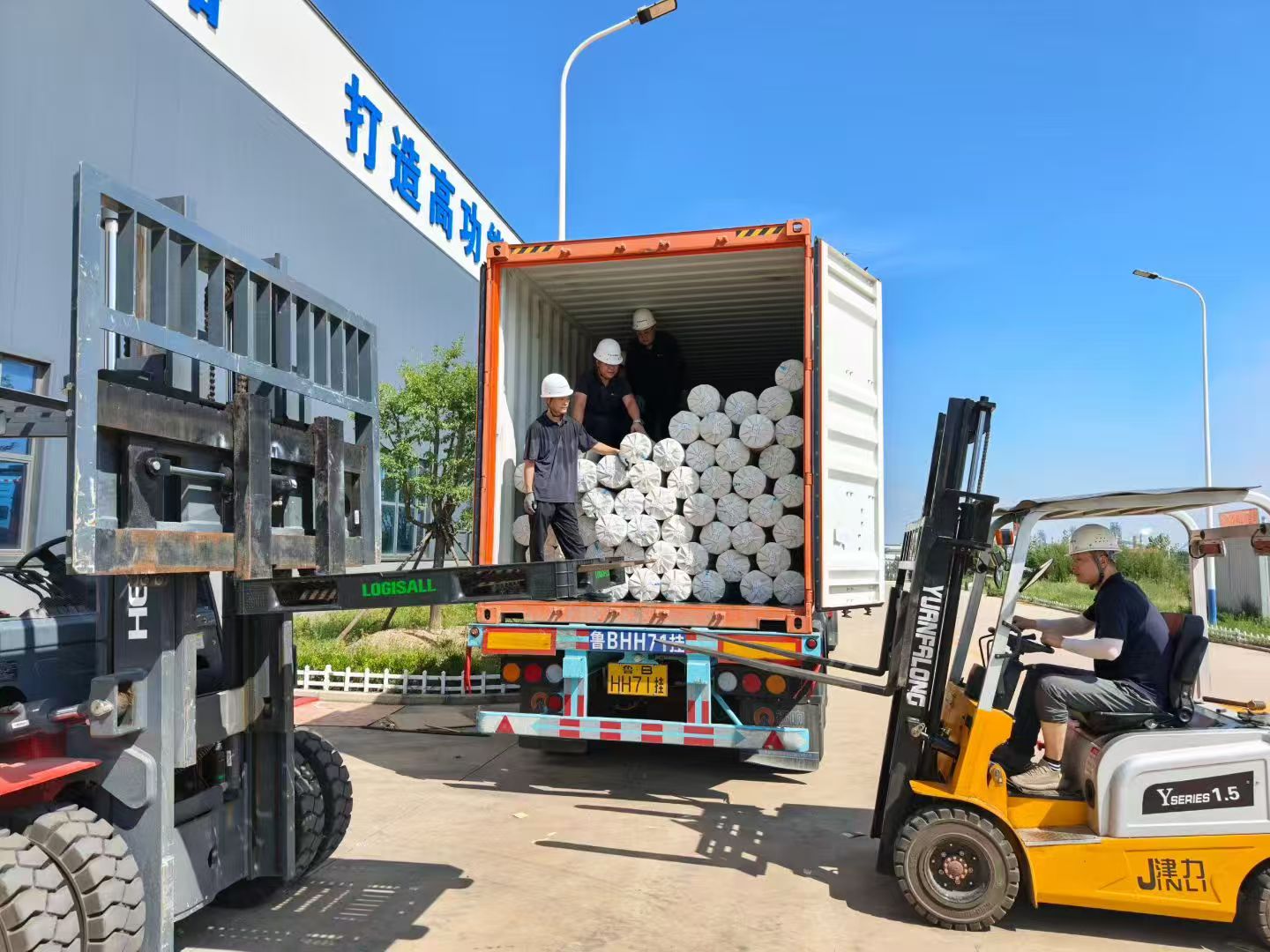
Shengding Hightech Materials Co., Ltd. was established in 2018 and operates from the Lanshan Chemical Industry Park in Rizhao City, Shandong Province, China. The company produces both TPU and EVA film and exports about 70% of its output to markets such as North Africa, the Middle East, and Latin America. Production capacity includes a monthly EVA output of 100 tons, a lead time of 10 days, and a standard MOQ of 50 kg.
Quality control is an important part of supplier evaluation. Shengding states that 100% of its products are tested, and its management systems are certified to ISO 9001, ISO 14001, and ISO 45001. For laminating film, consistent thickness and cleanliness are often as important as optical data.
Frequently Asked Questions
Q1: Does SD38 EVA film meet international standards for architectural laminated glass?
Laminated architectural flat glass quality requirements are governed by ASTM C1172. Shengding Hightech Materials operates under ISO 9001, ISO 14001, and ISO 45001 management systems. However, project-specific compliance should be confirmed through product testing and with your local authority, since building codes vary by region.
Q2: What equipment and conditions are required to laminate SD38 EVA film?
SD38 is designed for normal pressure and high temperature environments and requires an EVA laminating oven. Typical industry processing conditions for EVA films are 100–110°C under a vacuum of at least 700 mmHg. The film must be kept dry before lamination.
Q3: What are the minimum order quantity and lead time?
The standard MOQ is 50 kg and the lead time is 10 days. Monthly capacity is 100 tons. For project-specific pricing and scheduling, request a quote from the supplier.
Q4: Can I obtain a sample before placing a large order?
Sample requests can be directed to the sales team. Contact details are available in the company brochure. Since Shengding supports OEM/ODM customization, samples should be discussed in the context of your project dimensions and lamination conditions.
Q5: What kind of after-sales support is provided?
Technical support is available after purchase. The company serves export markets across North Africa, the Middle East, and Latin America, so overseas customers can receive remote guidance on film handling and lamination issues.
Conclusion
Selecting the right EVA film for a laminated glass project requires matching the film's optical and processing properties to the specific project scenario. Start with the project type, verify transmittance and haze, confirm that your laminating equipment can provide the required temperature and vacuum, and check the supplier's capability for customization and delivery.
SD38 from Shengding Hightech Materials Co., Ltd. is an example of an EVA film designed for architectural and decorative glass applications. For project planning, download the company brochure or contact the sales team to discuss your requirements.
Have Questions or Need More Details?
Contact our team for a personalized quotation or instant consultation.
Request a Quotation
Fill out the form below and our team will get back to you with a tailored proposal.
WhatsApp Direct Chat
Prefer to chat in real-time? Message us on WhatsApp for instant assistance & quick answers.
- Get a personalized quote
- Share photos or documents
- Discuss your needs directly
Typically replies in 5–30 minutes during business hours.