
How to Control TPU Film Costs Without Sacrificing Quality in Laminated Glass
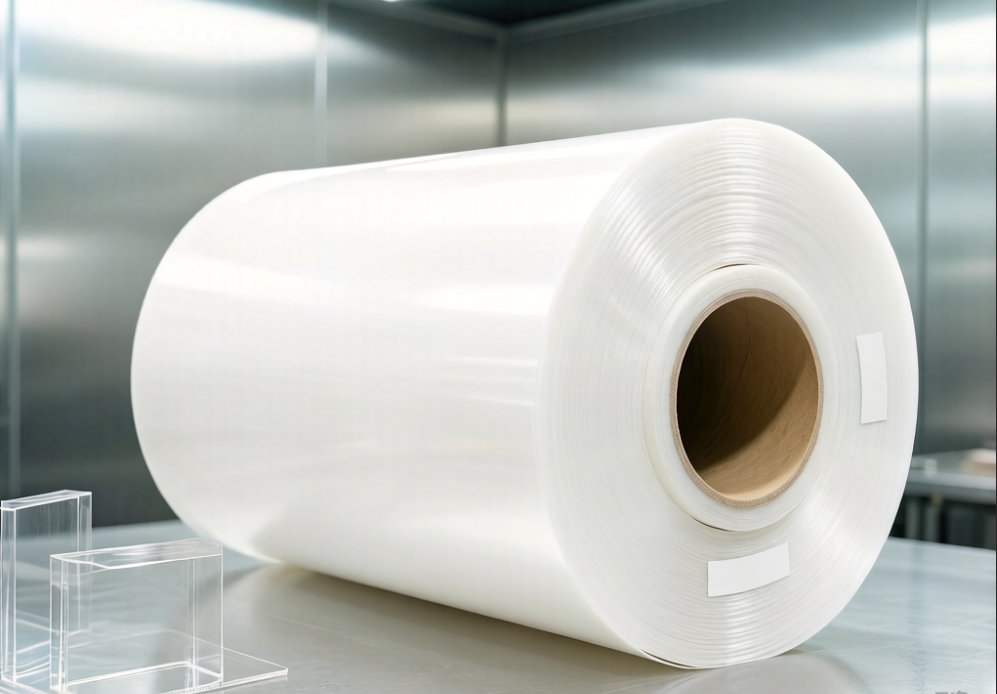
SD560 TPU film – a high-performance interlayer designed for laminated safety and ballistic glass.
How to Control TPU Film Procurement Costs Without Sacrificing Quality in Laminated Glass
Introduction
In the competitive world of laminated glass manufacturing – whether for architectural safety glass, automotive windshields, or ballistic-resistant armor – Thermoplastic Polyurethane (TPU) film plays a critical role as the interlayer that bonds glass sheets together. Buyers constantly face a dilemma: how to reduce procurement costs while maintaining the high optical clarity, adhesion strength, and durability that TPU offers. This guide provides a structured, data-driven approach to balancing cost and quality when sourcing TPU film for laminated glass applications.
Problem Definition: The Cost-Quality Tension in TPU Film Sourcing
Many procurement professionals assume that cheaper TPU films mean lower performance. In reality, the cost-quality relationship is not linear. A film with a lower purchase price may lead to higher scrap rates, rework costs, or even field failures – increasing total cost of ownership (TCO). Conversely, a premium film can reduce downstream costs through higher yields, longer service life, and fewer warranty claims. The key is identifying the right balance point where unit price, process efficiency, and end-product reliability align.
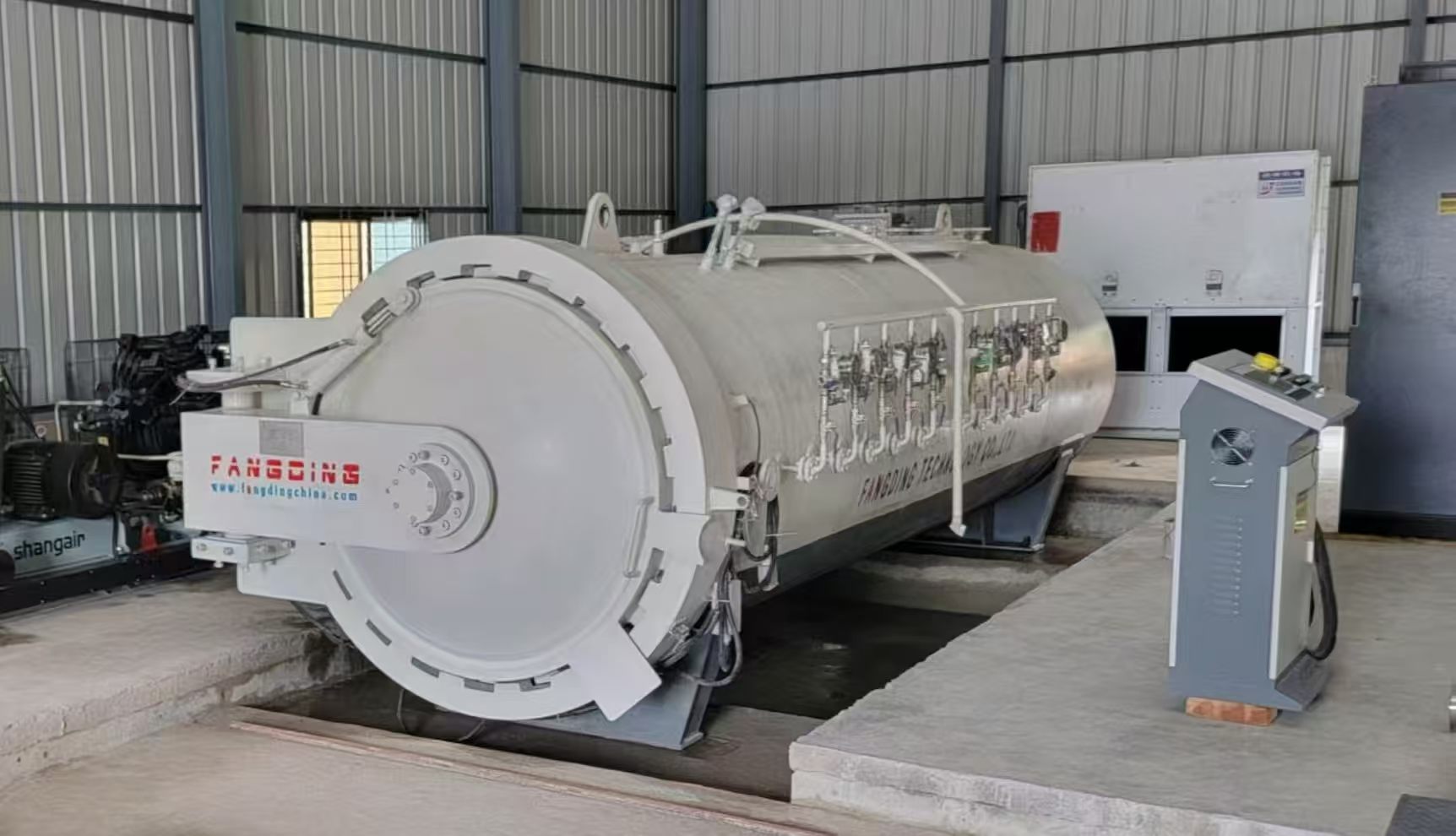
Autoclave lamination equipment – critical for achieving the high pressure and temperature needed for TPU film bonding.
Industry Background: Why TPU Film Matters for Laminated Glass
TPU film (also called TPU interlayer, TPU glass interlayer film, or thermoplastic polyurethane film) offers superior adhesion to glass, polycarbonate, and metals compared to conventional EVA or PVB interlayers. It provides:
- Exceptional optical clarity – light transmittance ≥90%, haze as low as 0.3% (e.g., SD560 grade).
- High mechanical strength – tensile strength 42 MPa, tear strength 45 kN/m, elongation >500%.
- Wide temperature resistance – glass transition temperature as low as -72°C, outperforming standard Huntsman 399 (-40°C).
- Excellent processability – suitable for autoclave hot-pressing at high pressure and temperature.
These properties make TPU the preferred interlayer for bulletproof glass, blast-resistant glass, high-end architectural glazing, and aerospace transparencies. However, its performance comes at a cost – typically 10–30% higher than EVA. The challenge for buyers is to secure TPU film that meets specification without paying unnecessary premiums.
Detailed Solution: A Six‑Step Framework for Cost‑Effective TPU Film Procurement
Step 1 – Define Your Minimum Performance Threshold
Not every application needs the highest-grade TPU. For example:
- Architectural laminated glass (e.g., safety glass for windows) may be satisfied with a film that has ≥90% transmittance and moderate peel strength.
- Ballistic or armored glass requires maximum tensile strength, elongation, and low-temperature flexibility (e.g., SD560 with Tg = -72°C).
By segmenting your product portfolio and matching TPU grades to actual demands, you avoid over‑specification that drives up costs. Request technical datasheets (TDS) from suppliers and compare key parameters: tensile strength, elongation, haze, glass transition temperature, and adhesion to glass.
Step 2 – Evaluate Supplier Capabilities Beyond Price
Low price often hides risks: inconsistent thickness, contamination, moisture sensitivity, or poor supply reliability. Use a structured evaluation matrix:
| Criteria | Weight | Example: Shengding SD560 |
|---|---|---|
| ISO 9001/ISO 45001 certification | 20% | Yes (cert #10425Q01154R1S) |
| Production capacity & lead time | 15% | 100 tons/month, 10-day lead time |
| Customization (length, width) | 10% | OEM/ODM, fully customizable |
| Quality control (100% tested) | 20% | Pre-shipment inspection |
| Packaging (moisture protection) | 10% | Multi-layer + vacuum packing |
| Reference projects (armored glass) | 25% | Pakistan defense client, 2‑year stable operation |
A supplier like Shengding Hightech Materials (www.shengdingchina.com) combines ISO‑certified manufacturing with a 50,000 m² plant, in‑house R&D team (10 engineers + 5 professors), and over 50 proprietary IPs – enabling cost control through vertical integration and process optimization.
Step 3 – Optimize Order Quantities and Lead Times
Large bulk orders generally reduce per‑unit cost, but carry inventory holding risk. Conversely, frequent small orders increase logistics overhead. Key data points:
- Minimum order quantity (MOQ): 1 roll (as low as 50 kg for sample trials).
- Monthly capacity: 100 tons – allows flexible order sizing.
- Lead time: 10 days from order confirmation.
Work with suppliers to schedule recurring deliveries (e.g., monthly pulls) that balance unit price and inventory cost. Many manufacturers offer tiered pricing – request volume discount curves for 10 tons, 50 tons, and 100 tons.
Step 4 – Compare Total Cost of Ownership (TCO) Across Suppliers
TCO analysis goes beyond purchase price to include:
- Scrap rate – poor quality film increases rejects in autoclave lamination.
- Rework labor – delamination or haze defects require costly re‑lamination.
- Warranty risk – film failure in the field can lead to replacement costs 10× the material cost.
- Logistics – shipping distance, customs, and packaging (e.g., vacuum packaging to prevent moisture).
For example, compare Shengding SD560 vs. Huntsman 399 TPU:
| Parameter | Shengding SD560 | Huntsman 399 |
|---|---|---|
| Glass transition temp (Tg) | -72°C | -40°C |
| Tensile strength | 42 MPa | ~38 MPa (industry typical) |
| Light transmittance | ≥90% | ≥88% (typical) |
| Cost difference | ~10% lower | baseline |
| Customization | Full OME/ODM | Limited |
The SD560 provides superior low‑temperature performance and 10% cost savings, making it an attractive option for ballistic glass applications where Tg matters.
Step 5 – Request Samples and Conduct Real‑World Testing
Never commit to a large order without verifying the film in your own lamination line. Ask for a sample roll (MOQ 1 roll). Test for:
- Optical clarity (haze, transmittance using a hazemeter).
- Adhesion strength (peel test to glass and polycarbonate).
- Autoclave processability (absence of bubbles, uniform melt flow).
- Moisture resistance (weight change after 24h at 50°C/95% RH).
A reputable supplier will provide pre‑shipment test reports and, if needed, witness testing at their factory. Shengding, for example, offers a 100% pre‑shipment inspection for every roll.
Step 6 – Negotiate Payment and Delivery Terms
Standard payment terms for TPU film often require full payment (100% T/T). However, for established buyers, some suppliers accept 30% deposit + 70% against BL copy. Delivery is typically FOB (e.g., from Rizhao Port, China). Negotiate freight insurance and lead time guarantees.
The minimum order quantity can be as low as 1 roll (for SD560, 1 roll is approximately 50 kg). This low MOQ allows you to test the film before scaling up.
Use Case: Cost‑Optimized TPU Supply for a Ballistic Glass Manufacturer
A Pakistani defense contractor needed TPU interlayer for bulletproof glass production. Previously they sourced Huntsman 399 at a premium price. After evaluating Shengding's SD560:
- Cost savings: 10% lower material cost per square meter.
- Performance: Tg of -72°C vs. -40°C, improving cold‑climate reliability.
- Supply stability: 100 tons/month capacity, 10-day lead time.
- Customization: film width and length tailored to their autoclave.
Over a 2‑year period, the film operated stably with zero delamination or haze issues. The client now uses SD560 as the standard interlayer for all armored glass projects.
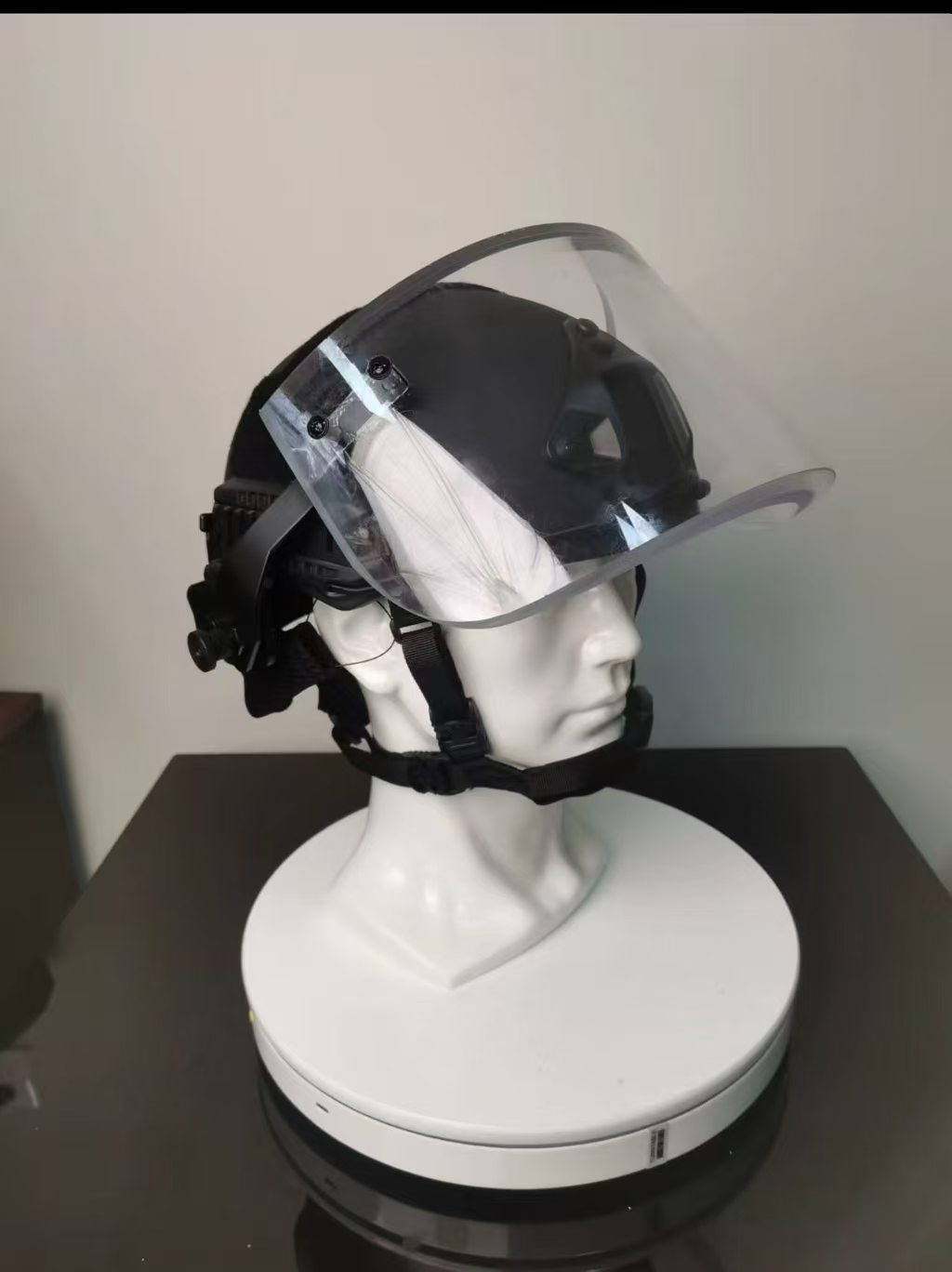
Ballistic‑grade laminated glass application using SD560 TPU interlayer.
Frequently Asked Questions (FAQ)
What is TPU film and why is it used for laminated glass?
TPU film (thermoplastic polyurethane film) is a high‑performance interlayer that bonds glass layers together. It offers outstanding optical clarity, adhesion, impact resistance, and low‑temperature flexibility – making it ideal for safety glass, bulletproof glass, and architectural glazing.
How does TPU compare with EVA for laminated glass?
TPU generally provides higher tensile strength, better adhesion to diverse substrates (glass, polycarbonate, metals), and a wider operating temperature range. EVA is cheaper but prone to yellowing and has lower mechanical performance. TPU is preferred for high‑end or security applications.
What is the minimum order quantity (MOQ) for TPU film?
Many suppliers, including Shengding, offer an MOQ of 1 roll (approximately 50 kg). This allows buyers to run pilot tests before committing to larger volumes.
How can I verify the quality of TPU film before purchase?
Request a sample and test it in your own autoclave. Also ask for ISO 9001 certification (e.g., cert #10425Q01154R1S), pre‑shipment inspection reports, and technical datasheets with parameters like tensile strength, haze, and glass transition temperature.
What payment and delivery terms are typical?
Standard terms are 100% T/T in advance (full payment) and shipment on FOB basis. Some suppliers may offer 30% deposit + 70% against BL copy for recurring clients. Delivery is usually 10–15 days after order confirmation.
Conclusion
Balancing cost and quality in TPU film procurement is achievable through a systematic approach: define your real performance needs, evaluate suppliers holistically, optimize order quantities, calculate total cost of ownership, test samples, and negotiate smart terms. High‑quality TPU film from a capable supplier like Shengding Hightech Materials (www.shengdingchina.com) can deliver a 10% cost advantage over market leaders while exceeding key technical specifications – proving that affordability and performance are not mutually exclusive.
Download Our Full Company Brochure
Get detailed product specifications, certifications, and case studies.
Download PDF BrochureHave Questions or Need More Details?
Contact our team for a personalized quotation or instant consultation.
Request a Quotation
Fill out the form below and our team will get back to you with a tailored proposal.
WhatsApp Direct Chat
Prefer to chat in real-time? Message us on WhatsApp for instant assistance & quick answers.
- Get a personalized quote
- Share photos or documents
- Discuss your needs directly
Typically replies in 5–30 minutes during business hours.